
Blog
Benefits of reciting the Heart of the Holy Quran during sacred pilgrimages

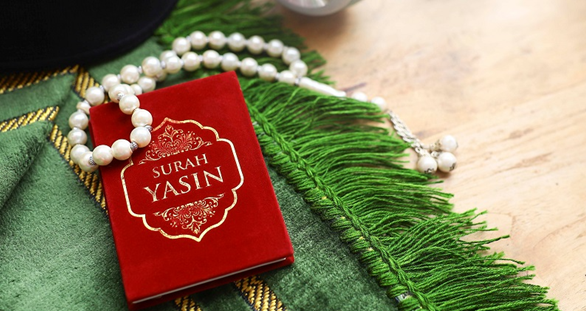
Sacred pilgrimages are the Hajj and the Umrah. They aredeeply rich spiritual experiences. Hajj and Umrah hold great importance in Islam and in the life of Muslims. They are deeply rewarding acts of worship. They are spiritual journey meant to purify the soul, restore faith, and strengthen the bond of a servant with Allah. Many pilgrims recite Surah Yaseen during sacred pilgrimages. This Surah reminds mercy and power of Allah and brings peace tothe hearts. Its deep meaning touches the soul. Reciting this Surah during sacred pilgrimages will make the experience more meaningful. There are many travel agencies in the UK, offer various Hajj and Umrah packages. One of the leading agencies is Islamic Travel, theyunderstands the importance of spiritual preparation and offering Umrah Packages including flights ticket, visa process, comfortable hotel stays, and transportation.Islamic Travelencourages pilgrims to make Surah Yaseen a part of their sacred pilgrimage.
Why is Surah Yaseen known as the heart of the Quran?
All Quranic Surahs are important, but Surah Yaseen is one of the most important chapters. Surah Yaseen earns its title “the heart of the Quran” not through popularity but through spiritual weight. Muhammad (PBUH) said that “Everything has a heart, and the heart of the Qur’an is Yaseen. Whoever recites it for the sake of Allah will be forgiven.” The core message of Islam is covered in this Surah such as faith in Allah, believe on the Day of the judgement and guidance of the Prophet (PBUH). The Quran gives special place to Surah Yaseen because it focuses on faith, direction and sign of Allah in the universe. The core message of Quran are highlighted in Surah Yaseen. It holds 3 main themes that somehow sum up the whole message of the Quran. These are Towheed, Risalah and the Day of the Judgement. Surah Yaseen keeps faith alive in the hearts of the Muslims just like heart keeps alive a human. When pilgrims recite this Surah during sacred pilgrimages, it reminds them power and mercy of Allah. It refreshes this faith that everything belongs to Allah and only good deeds will help you in Hereafter.
Spiritual rewards and blessings during sacred pilgrimages
Reciting Surah Yaseen during sacred pilgrimages offers countless blessings. Pilgrims will feel peace of mind and relief from problems and difficulties. This surah brings comfort to the heart and strengthen the patience, particularly during lengthy and tiring journey. According to many scholars, this surah brings rewards, blessings and forgiveness. This surah becomes a source of hope during sacred pilgrimages when pilgrims seek mercy and forgiveness from Allah. Sincere prayers always get answer because mercy of Allah is bigger than all sins. Allah is more merciful to His creatures than a mother is to her child. If you are going to book Umrah packages including flights by Islamic travel, they assure that your journey is focused on deep spiritual growth, not just on travel comfort.
Surah Yaseen enhances acts of worship
Every rituals of Hajj and Umrah is an acts of worship, from orbiting around Kaaba to the walking between Safa and Marwah. If you are reciting during these moments, it will strengthen your connection with Allah. Reciting this Surah during Sai or resting after prayers will overflow the hearts with calmness and modesty. It serve as a reminder for Muslims that all efforts are for Allah’s pleasure. During Hajj, when pilgrims stands at Arafat, this is a most potent time to pray. When you reading Surah Yaseen at that moment, it will brings tears of thankfulness and forgiveness. It helps pilgrims to remember the mercy and kindness of Allah. Islamic Travel have opened the slots for Hajj Packages 2026 for British Muslim Pilgrims.
Healing and Emotional Comfort
Healing effect is one of its special benefit. Sometimes, Muslims feel helpless and hopeless during any difficult time. Surah Yaseen was sent from Allah as a key to all problems. Reading Surah Yaseen after Fajr prayers earns Allah’s blessings and solve all your problems with His power and mercy. It removes multiple worries from heart and mind. It calms your mind. Surah Yaseen can remove worries and strengthen faith. Its verses have a soothing effect, helping to removes stress, sadness and anxiety. During pilgrimages, this surah provides emotional comfort and healing, when body gets tired and emotions are high. Recitation of Surah Yaseen enables pilgrims to stay positive, thankful and patient on each step of sacred pilgrimages. It protects from negative thoughts when read with sincerity.
Lesson of hope and faith from Surah Yaseen
Surah Yaseen gives lesson that life and death are in Allah’s control. Every souls will return to Him. This life is temporary. This message holds deep significance when pilgrims are standing before Kaaba or walking in Mina or Muzdalifah. It serves as a reminder that every act of worship, prayers and sacrifice are made only for Allah. You experience a journey within yourself, not just a journey across country. You leave all worldly distraction behind you and solely concentrate on strengthen your faith through prayer, recitation and remembrance.
Islamic Travel- Your partner in spiritual journey
Islamic Travel believes that your sacred pilgrimages should be stress free and more meaningful. They assure that everything will be covered and well organized. If you are going to perform Umrah from UK, you can go with Umrah packages including flights tickets, visa process, accommodations and ground transportation. You can concentrate on your worship without worrying about travel arrangements. Similarly, their Hajj packages UK are made to provide comfort and spiritual support on every step of your journey. Islamic travel provides guidance sessions before travel, where their experts motivate pilgrims to learn and reflect on Surah Yaseen.
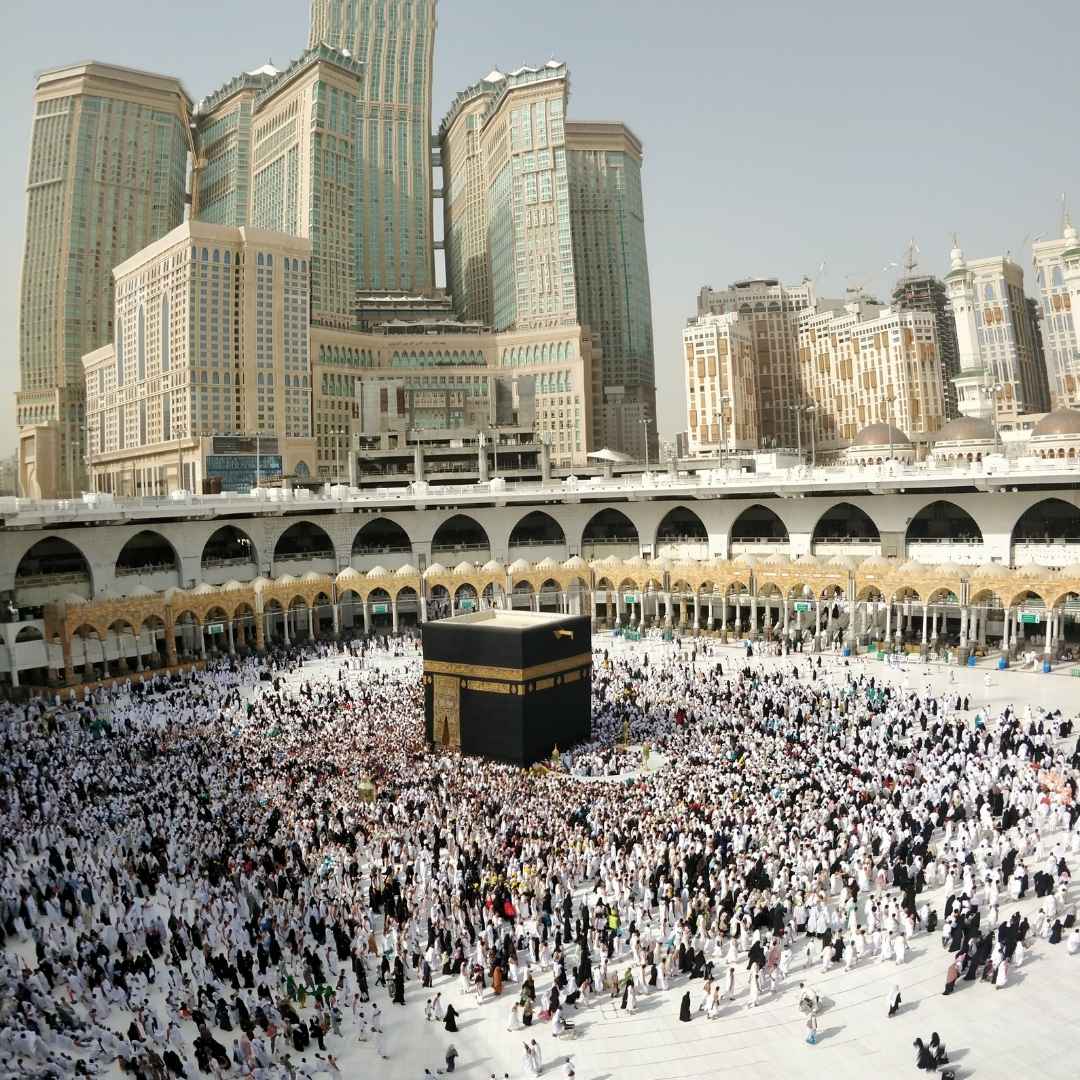
Umrah is a sacred journey undertaken by millions of Muslims each year to the holy city of Makkah. Unlike Hajj, which is obligatory and performed at a specific time, Umrah is a voluntary pilgrimage that can be performed at any time of the year. Although non-compulsory, it holds immense spiritual value and offers believers an opportunity to seek forgiveness, renew their faith, and draw closer to the Almighty.
Before diving into the details, it’s important to learn what first-time pilgrims need to know. Understanding the purpose, steps, and necessary preparation for Umrah helps ensure a smooth start to your journey. This guide provides a clear and complete overview to help you begin your journey with confidence and clarity.
Understanding the Significance of Umrah
Though called the “lesser pilgrimage,” Umrah offers profound spiritual rewards. It allows believers to cleanse their hearts, reflect on life, and strengthen their faith.
Umrah is not just a ritual; it involves intention, sincerity, and humility, bringing a truly transformative experience.
Key Rituals of Umrah
Umrah consists of a few essential rituals that must be performed in sequence. Each step carries spiritual meaning and historical significance.
Entering the State of Ihram
Before reaching Makkah, pilgrims must enter a state of Ihram. This involves wearing simple clothing and making the intention to perform Umrah. It symbolises purity, equality, and detachment from worldly distractions.
Circumambulation Around the Kaaba
Upon arrival, pilgrims perform Tawaf, which involves walking around the Kaaba seven times in a counterclockwise direction. This act represents unity and devotion, as millions of people gather with the same purpose.
Walking Between Safa and Marwa
Pilgrims then perform Sa’i, walking seven times between the hills of Safa and Marwa. This ritual reflects perseverance, patience, and trust in divine mercy.
Hair Trimming or Shaving
The final step of Umrah is cutting or shaving the hair, symbolising renewal and spiritual purification. After this, the pilgrim exits the state of Ihram.
Preparing for Umrah
Preparation is key to a smooth and meaningful pilgrimage. First-time pilgrims should focus on both practical and spiritual readiness.
Physical Preparation
Since Umrah involves walking and long hours of worship, maintaining good health is important. Comfortable footwear, hydration, and rest are essential.
Mental and Spiritual Preparation
Pilgrims should learn about the rituals in advance and reflect on their intentions. Reading and understanding the significance of each step enhances the experience.
Travel Planning
Booking flights, accommodation, and transportation in advance can help avoid last-minute stress. Many travellers opt for Makkah travel from the UK packages to simplify their journey and ensure proper guidance throughout the trip.
Best Time to Perform Umrah
One of the advantages of Umrah is its flexibility. It can be performed at any time of the year, allowing pilgrims to choose a period that suits their schedule and comfort.
- Ramadan: Offers increased spiritual rewards but comes with larger crowds
- Winter Months: More comfortable weather and moderate crowd levels
- Off-Peak Seasons: Lower costs and fewer people
Choosing the right time depends on personal preference, budget, and tolerance for crowds.
Common Challenges for First-Time Pilgrims
First-time pilgrims may face certain challenges, but proper preparation can help overcome them.
Managing Crowds
Makkah is often crowded, especially during peak seasons. Staying patient and planning your schedule wisely can make a big difference.
Navigating the Area
The holy sites can be overwhelming at first. Familiarising yourself with the layout beforehand can reduce confusion.
Physical Fatigue
Long walks and extended periods of worship can be tiring. Taking breaks and staying hydrated is crucial.
Tips for a Smooth Umrah Experience
To make your journey more comfortable and spiritually fulfilling, consider the following tips:
- Keep your belongings minimal and organised.
- Stay focused on worship and avoid distractions.
- Be patient and respectful toward other pilgrims.
- Follow instructions from the authorities and guides.
- Maintain a positive and humble mindset.
These small steps can significantly enhance your overall experience.
The Spiritual Benefits of Umrah
Umrah provides an opportunity for self-reflection and spiritual growth. It allows pilgrims to:
- Seek forgiveness for past mistakes.
- Strengthen their faith and devotion.
- Experience unity with believers from around the world.
- Develop patience, humility, and gratitude.
Many pilgrims return from Umrah with a renewed sense of purpose and inner peace.
Why First-Time Pilgrims Should Be Well-Prepared
For first-time pilgrims, the journey is both exciting and overwhelming. Being prepared lets you focus on spiritual growth rather than logistics.
Understanding rituals, planning your trip, and staying positive are key to a meaningful, memorable Umrah.
Conclusion
Umrah is a profound spiritual journey that reconnects believers with their faith. For first-time pilgrims, preparation and understanding are essential for a fulfilling experience, and choosing a reliable Umrah travel agency in UK can make the process smoother and more organized. Approach Umrah with sincerity and patience for an unforgettable journey. No matter when you choose to perform Umrah, the rewards remain timeless, offering peace, clarity, and a deeper connection to your faith.
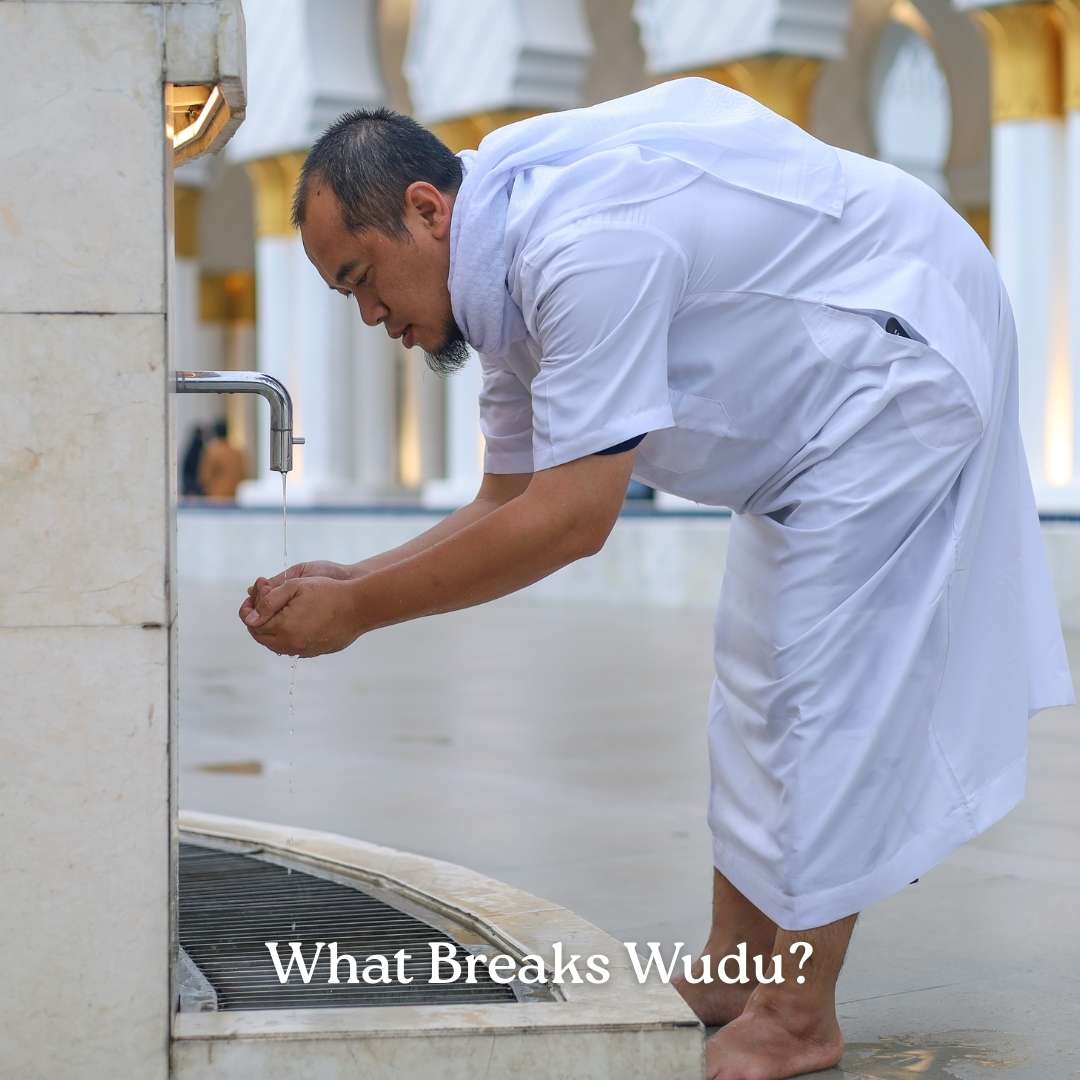
In Islam, Wudu (Ablution) is a ritual purification required before performing acts of worship such as Salah (prayer), reciting the Quran, and entering a mosque. Wudu is not only a physical cleansing but also a spiritual preparation, ensuring a Muslim is in a state of purity before standing before Allah.
Allah says:
“O you who believe! When you intend to pray, wash your faces and your hands up to the elbows, and wipe your heads, and your feet up to the ankles.”
(Surah Al-Ma’idah 5:6)
Maintaining Wudu is essential because prayers performed without it may not be valid. Understanding what breaks Wudu helps Muslims remain in a state of ritual purity and strengthens their spiritual connection with Allah.
1. Definition and Significance of Wudu
Wudu is the ritual washing of specific body parts before prayers or other acts of worship. Its significance includes:
- Spiritual purification: Removes minor sins and prepares the heart for worship.
- Physical cleanliness: Promotes hygiene and prevents infections.
- Obedience to Allah: Fulfills a commandment outlined in the Quran.
Prophet Muhammad ﷺ said:
“The prayer of a person who does not perform Wudu properly will not be accepted until he performs it correctly.”
(Sahih Muslim 232)
2. Essential Acts of Wudu
Performing Wudu correctly involves washing specific parts of the body in a particular order:
- Intention (Niyyah): Mentally intending to perform Wudu for the sake of Allah.
- Washing hands up to the wrists – three times.
- Rinsing the mouth and nose – three times each.
- Washing the face – three times.
- Washing the arms up to the elbows – three times.
- Wiping the head (Masah) – once.
- Wiping the ears – once.
- Washing the feet up to the ankles – three times.
Allah says:
“And wash your faces and your hands up to the elbows, and wipe your heads and wash your feet up to the ankles.”
(Surah Al-Ma’idah 5:6)
3. What Breaks Wudu?
Wudu breaks when certain actions occur that nullify ritual purity. These actions are classified into major categories:
a) Natural Discharges
- Urine – Any passage of urine breaks Wudu.
- Feces – Excretion of stool nullifies Wudu.
- Wind (Flatulence) – Releasing gas invalidates Wudu.
- Menstrual or Postnatal Bleeding – Breaks Wudu until ritual purification is completed.
- Blood (Flowing from Wounds in Excessive Quantity) – Flowing blood from a wound may break Wudu according to scholars.
Prophet ﷺ said:
“The prayer of anyone who breaks wind and does not perform Wudu is invalid.”
(Sahih Bukhari 248)
b) Sleep
- Deep sleep that makes a person unaware of their surroundings breaks Wudu.
- Light sleep that does not involve lying down may not nullify Wudu.
- Scholars differ slightly regarding dozing while sitting or standing, but caution is advised to perform Wudu before prayer.
c) Loss of Consciousness
- Fainting or unconsciousness nullifies Wudu.
- Intoxication also breaks Wudu if it leads to loss of control or awareness.
d) Touching Private Parts
- Direct contact with male or female private parts without a barrier breaks Wudu according to many scholars.
- This ruling emphasizes physical and spiritual purity before prayer.
4. Minor Causes That Scholars Disagree On
- Sweating excessively: Scholars differ; minor sweat generally does not break Wudu.
- Blood from minor cuts: Some say Wudu remains valid if blood is minimal.
- Vomiting: Varies by madhhab (school of thought); some require Wudu, others recommend Tayammum if water is unavailable.
5. Steps to Restore Wudu
If Wudu is broken due to any of the above causes, a Muslim must perform Wudu again:
- Make Niyyah (intention) – “I intend to perform Wudu for prayer and purification.”
- Wash hands, mouth, nose, face, arms, head, and feet in the prescribed order.
- Maintain focus on purification, not rushing through the steps.
- Ensure cleanliness of water and body parts.
Prophet ﷺ said:
“The prayer of one without Wudu is not accepted.”
(Sahih Muslim 232)
6. The Spiritual Significance of Maintaining Wudu
- Angels greet the one in a state of Wudu:
Prophet ﷺ said:
“When a Muslim performs Wudu and then prays, the angels say: ‘O Allah, forgive him, O Allah, have mercy on him.’”
(Sahih Muslim 596)
- Increases reward: Wudu enhances the spiritual quality of Salah.
- Encourages mindfulness: Awareness of purity improves concentration in prayer.
- Purifies minor sins: Performing Wudu cleanses the minor sins committed since the last prayer.
7. Wudu and Daily Life
Maintaining Wudu throughout the day brings discipline, mindfulness, and spiritual awareness. Muslims are encouraged to:
- Perform Wudu before every prayer to ensure readiness.
- Maintain cleanliness – Wudu is a form of both physical and spiritual hygiene.
- Engage in additional worship – such as reciting Quran or performing Nafl prayers in a state of Wudu.
Prophet ﷺ said:
“Whoever maintains Wudu well, Allah will record for him ten good deeds for each limb.”
(Tirmidhi 23)
8. Etiquettes While Performing Wudu
- Start with Bismillah – invoking Allah’s name.
- Perform Wudu calmly and methodically – avoid rushing.
- Wash each part thoroughly – three times is recommended.
- Avoid wasting water – even if plentiful, as Prophet ﷺ advised.
- Recite supplications during Wudu – e.g., “Ashhadu an la ilaha illallah, wahdahu la sharika lahu”.
9. Common Mistakes That Nullify Wudu
- Skipping steps – e.g., not washing arms or feet properly.
- Rushing or being inattentive – compromises the spiritual aspect.
- Performing Wudu with dirty water or in dirty conditions – affects both physical and spiritual purity.
- Not knowing what breaks Wudu – ignorance can invalidate prayer unknowingly.
10. Wudu for Prayer, Quran, and Other Worship
- Salah: Wudu is required for every obligatory and voluntary prayer.
- Reciting Quran: Muslims should ideally be in a state of Wudu to recite the Quran.
“None should touch it except those who are pure.”
(Surah Al-Waqi’ah 56:79)
- Entering mosques: Some scholars recommend Wudu for entering mosques to maintain cleanliness.
11. Difference Between Wudu, Ghusl, and Tayammum
- Wudu: Minor purification for prayers and Quran recitation.
- Ghusl: Full-body ritual purification required after major impurity (e.g., sexual activity, menstruation).
- Tayammum: Dry ablution using clean soil or dust when water is unavailable.
Understanding what breaks Wudu helps determine when Ghusl or Tayammum is required.
12. Benefits of Maintaining Wudu
a) Spiritual Benefits
- Enhances concentration in prayer.
- Brings forgiveness of minor sins.
- Encourages mindfulness and connection with Allah.
b) Physical Benefits
- Promotes personal hygiene.
- Refreshes the body multiple times a day.
c) Psychological Benefits
- Reduces stress and anxiety.
- Encourages discipline and responsibility.
Prophet ﷺ said:
“Perform Wudu properly, for Allah loves those who are clean.”
(Sahih Bukhari 160)
13. FAQs About Wudu
Q1: Does sleeping break Wudu?
- Deep sleep invalidates Wudu. Light dozing may not.
Q2: Does touching private parts break Wudu?
- Yes, direct contact nullifies Wudu according to most scholars.
Q3: What if water is unavailable?
- Perform Tayammum (dry ablution) using clean soil or dust.
Q4: Does blood break Wudu?
- Flowing blood from wounds may break Wudu; minor spots usually do not.
Q5: Can one pray if Wudu is broken unknowingly?
- Prayer is invalid; Wudu must be renewed once the person becomes aware.
14. Conclusion: Maintaining Wudu for Spiritual Purity
Understanding what breaks Wudu is essential for every Muslim to ensure their prayers are valid, spiritually beneficial, and accepted by Allah.
- Spiritual significance: Increases rewards, removes minor sins, strengthens connection with Allah.
- Physical cleanliness: Promotes hygiene and overall well-being.
- Mindfulness and discipline: Encourages consistent worship and self-awareness.
Maintaining Wudu throughout the day enhances personal, social, and spiritual life. For detailed guidance on Wudu, prayers, and Islamic rituals, visit 👉 surahyaseen.net.
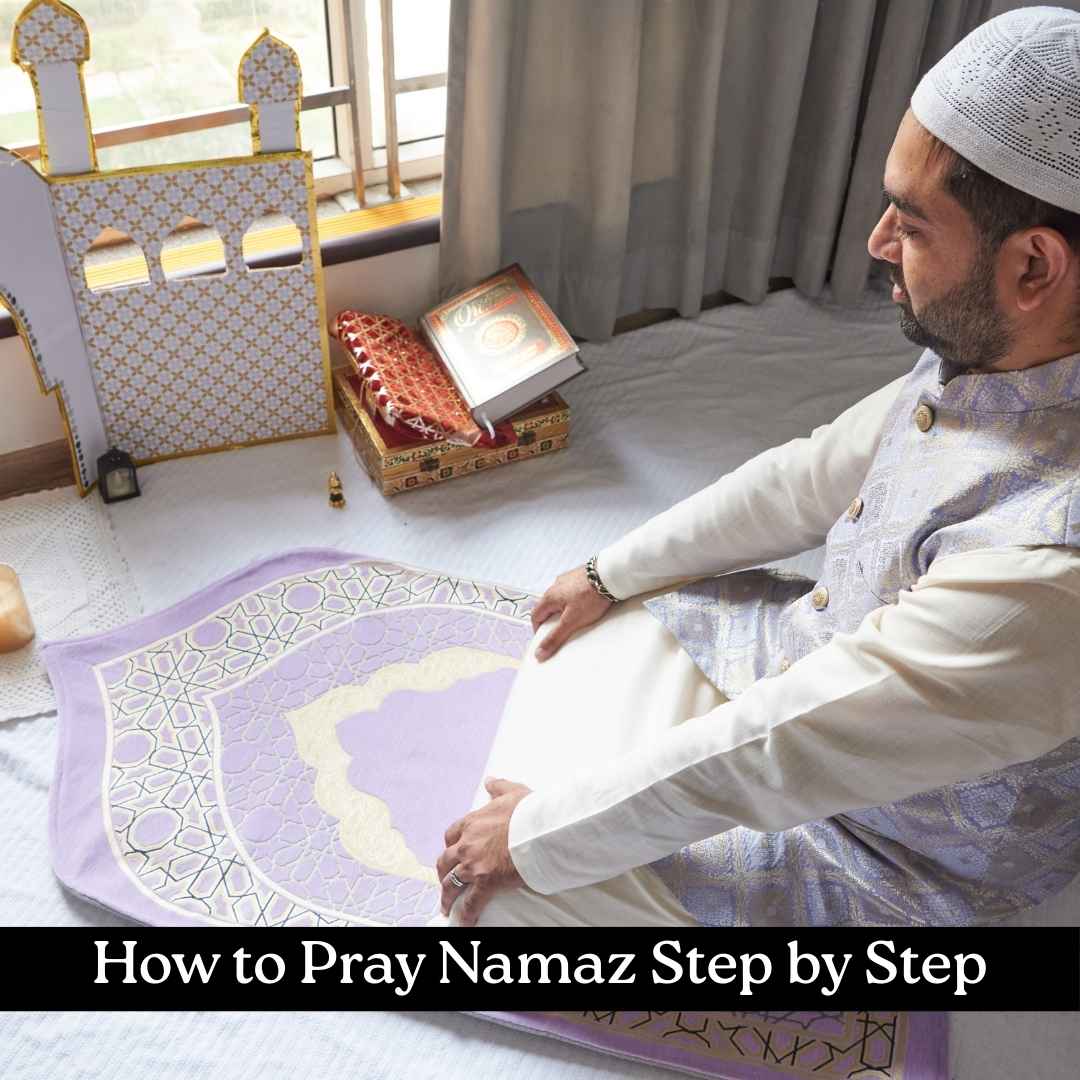
Namaz (Salah) is the second pillar of Islam and a fundamental act of worship for Muslims. Allah commands:
“Establish prayer and give zakah and bow with those who bow [in worship and obedience].”
(Surah Al-Baqarah 2:43)
Namaz is a direct connection between a believer and Allah, offering spiritual, physical, and psychological benefits. Learning how to pray Namaz step by step ensures accuracy, focus, and devotion, especially for beginners or new Muslims.
This article provides a detailed, step-by-step guide on performing Namaz correctly, including preparation, prayer steps, common mistakes, and tips to improve concentration.
1. Understanding the Concept of Namaz
Namaz is more than a ritual; it is an act of obedience, gratitude, and submission to Allah:
- Physical and spiritual discipline
- Reminder of Allah’s presence in daily life
- Purification of the soul through humility and focus
Prophet Muhammad ﷺ said:
“The first matter that the servant will be brought to account for on the Day of Judgment is the prayer. If it is sound, the rest of his deeds will be sound. If it is defective, the rest of his deeds will be defective.”
(Sunan At-Tirmidhi 413)
Namaz is required five times a day: Fajr, Dhuhr, Asr, Maghrib, and Isha.
2. Preparations Before Namaz
a) Purity: Wudu (Ablution)
Before praying, one must be in a state of physical purity:
- Wash hands, mouth, face, arms, head, ears, and feet
- Perform Wudu correctly as taught in Sunnah
- Ensure clothing and body are clean
Allah says:
“O you who have believed, when you rise to [perform] prayer, wash your faces and your hands up to the elbows and wipe over your heads and [wash] your feet up to the ankles.”
(Surah Al-Ma’idah 5:6)
b) Clean Place for Prayer
- Use a clean area or prayer mat
- Remove distractions and ensure focus (khushu)
c) Correct Clothing
- Clothes must cover Awrah (modesty)
- For men: from navel to knees at minimum; for women: whole body except face and hands
3. Steps to Pray Namaz Step by Step
Step 1: Niyyah (Intention)
- Form the intention in the heart for a specific prayer (Fajr, Dhuhr, etc.)
- No need to say it aloud
- Focus on pleasing Allah through prayer
Prophet ﷺ said:
“Actions are judged by intentions, and every person will have what he intended.”
(Sahih Bukhari 1, Sahih Muslim 1907)
Step 2: Takbir al-Ihram
- Stand facing the Qiblah (direction of Kaaba in Makkah)
- Raise hands up to shoulders and say:
“Allahu Akbar” (Allah is the Greatest)
- This marks the beginning of Salah
Step 3: Standing (Qiyam) and Recitation
- Place hands over chest (right hand over left)
- Recite silently (for daily prayers):
- Surah Al-Fatiha (The Opening): Mandatory in each Rak’ah
- A short Surah or 2–3 verses from Quran
- Maintain calm, focus, and humility
Allah says:
“Recite, [O Muhammad], what has been revealed to you of the Book and establish prayer. Indeed, prayer prohibits immorality and wrongdoing.”
(Surah Al-Ankabut 29:45)
Step 4: Ruku (Bowing)
- Bend forward, placing hands on knees, back straight
- Say three times:
“Subhana Rabbiyal Azeem” (Glory be to my Lord, the Most Great)
- Focus on humility and submission
Step 5: Standing After Ruku (I’tidal)
- Stand up straight, saying:
“Sami’ Allahu liman hamidah” (Allah hears those who praise Him)
- Then say:
“Rabbana wa lakal hamd” (Our Lord, to You is all praise)
Step 6: Sujood (Prostration)
- Place forehead, nose, palms, knees, and toes on the ground
- Say at least three times:
“Subhana Rabbiyal A’la” (Glory be to my Lord, the Most High)
- Maintain humility and focus on Allah
Step 7: Sitting Between Two Sujoods
- Sit calmly on legs, hands on thighs
- Say:
“Rabbighfir li” (My Lord, forgive me)
- This is called Jalsa
Step 8: Second Sujood
- Repeat Sujood, same as Step 6
- Ensure focus and humility
Step 9: Completing One Rak’ah
- One Rak’ah consists of: Qiyam → Ruku → I’tidal → Sujood → Jalsa → Sujood
- Repeat for the number of Rak’ahs in each prayer:
- Fajr: 2
- Dhuhr: 4
- Asr: 4
- Maghrib: 3
- Isha: 4
Step 10: Tashahhud (Sitting After Last Rak’ah)
- After last Rak’ah, sit and recite:
“At-tahiyyatu lillahi was-salawatu wat-tayyibat…”
- Followed by sending Salawat on the Prophet ﷺ:
“Allahumma salli ‘ala Muhammad wa ‘ala aali Muhammad…”
Step 11: Tasleem (Ending the Prayer)
- Turn head to right: “Assalamu Alaikum wa Rahmatullah”
- Turn head to left: “Assalamu Alaikum wa Rahmatullah”
- This marks the end of Salah
4. Tips for Performing Namaz Correctly
- Maintain focus (khushu): Avoid distractions
- Recite slowly and clearly
- Understand meanings of Surah Al-Fatiha and other Surahs
- Perform regular Wudu for spiritual and physical purity
- Pray on time to increase reward
- Use prayer mat or clean surface to create a spiritual environment
5. Common Mistakes and How to Correct Them
| Mistake | Solution |
|---|---|
| Rushing Salah | Slow down, focus on words and movements |
| Incorrect Tajweed | Learn proper recitation online or with teacher |
| Forgetting Surahs | Memorize gradually, review daily |
| Poor posture | Watch tutorials or learn from teacher |
| Distraction during prayer | Pray in quiet, clean place, minimize noise |
6. Learning Namaz Step by Step for Children
- Start with short Surahs
- Use songs, visual guides, and repetition
- Practice Takbir, Ruku, Sujood physically before reciting
- Praise and encourage progress
Prophet ﷺ said:
“Teach your children Salah when they are seven years old, and beat them for it at ten if they do not pray.”
(Abu Dawood 495)
7. Learning Namaz for New Muslims
- Start with 2 Rak’ah Fajr and Maghrib prayers
- Gradually add remaining prayers
- Focus on understanding each movement and recitation
- Use online tutorials, apps, and teacher guidance
8. Spiritual Benefits of Namaz
- Strengthens connection with Allah
- Purifies heart and mind
- Offers protection from sin
- Brings peace, discipline, and gratitude
Allah says:
“Indeed, prayer prohibits immorality and wrongdoing, and the remembrance of Allah is greater.”
(Surah Al-Ankabut 29:45)
9. Physical and Psychological Benefits of Namaz
- Improves posture, flexibility, and circulation
- Reduces stress and anxiety
- Promotes mindfulness and discipline
- Builds routine and consistency
10. Namaz in Congregation
- Performing Namaz in congregation (jama’ah) has 27 times more reward than praying alone
- Encourages community bonding and accountability
Prophet ﷺ said:
“Prayer in congregation is twenty-seven times more rewarding than prayer offered by oneself.”
(Sahih Bukhari 645, Sahih Muslim 650)
11. Step-by-Step Checklist for Daily Namaz
- Perform Wudu
- Wear clean clothes and prepare prayer space
- Make Niyyah (intention)
- Say Takbir al-Ihram
- Recite Surah Al-Fatiha and other Surah
- Perform Ruku and say Tasbih
- Stand up (I’tidal) and say Tasbih
- Perform Sujood, sit, and repeat
- Complete required Rak’ahs
- Recite Tashahhud and Salawat in last Rak’ah
- End with Tasleem
12. Tips to Improve Concentration in Salah
- Learn meanings of words you recite
- Pray in quiet, clean, distraction-free space
- Visualize standing before Allah
- Avoid unnecessary movement
- Regular repetition builds habit and focus
13. Namaz Resources for Beginners
- Quran and Hadith guides for Salah
- Online tutorials (video and audio)
- Mobile apps with step-by-step Salah instructions
- Children-friendly interactive tools for learning movements
14. Common FAQs About Namaz
Q1: How many Rak’ahs in each prayer?
- Fajr: 2
- Dhuhr: 4
- Asr: 4
- Maghrib: 3
- Isha: 4
Q2: Can a person pray without Wudu?
- No, Wudu is mandatory unless in state of Tayammum
Q3: What if I forget a movement?
- Repeat Rak’ah if necessary or continue with the prayer
Q4: How can I pray on time consistently?
- Set reminders or alarms, create routine
Conclusion: The Beauty of Salah
Praying Namaz is the most important act of worship in Islam. Learning how to pray Namaz step by step ensures correct performance, focus, and spiritual benefits. Whether you are a child, adult, or new Muslim, following this guide helps:
- Perform Namaz with proper Tajweed and movements
- Gain spiritual rewards and closeness to Allah
- Maintain discipline, mindfulness, and ethical conduct
Start learning today and make Namaz a consistent, fulfilling part of your life. For detailed step-by-step guides, video tutorials, and online lessons, visit 👉 surahyaseen.net for authentic Islamic guidance.
-

 Blog2 years ago
Surah Muzammil
-

 Blog1 year ago
Surah Yaseen
-

 Blog1 year ago
Surah Nasr
-

 Blog2 years ago
Nazar Ki Dua
-

 Blog1 year ago
Nazar Ki Dua by Prophet ﷺ
-

 Blog2 years ago
Surah Yaseen: The Heart of the Quran and Its Blessings
-

 Blog2 years ago
Evil Eye Protection, Symptoms, Remedies & Removal?
-

 Dua1 year ago
Dua for Protection, Powerful Islamic Prayers for Daily Safety from Enemies and Evil