Surah Al Muzzammil
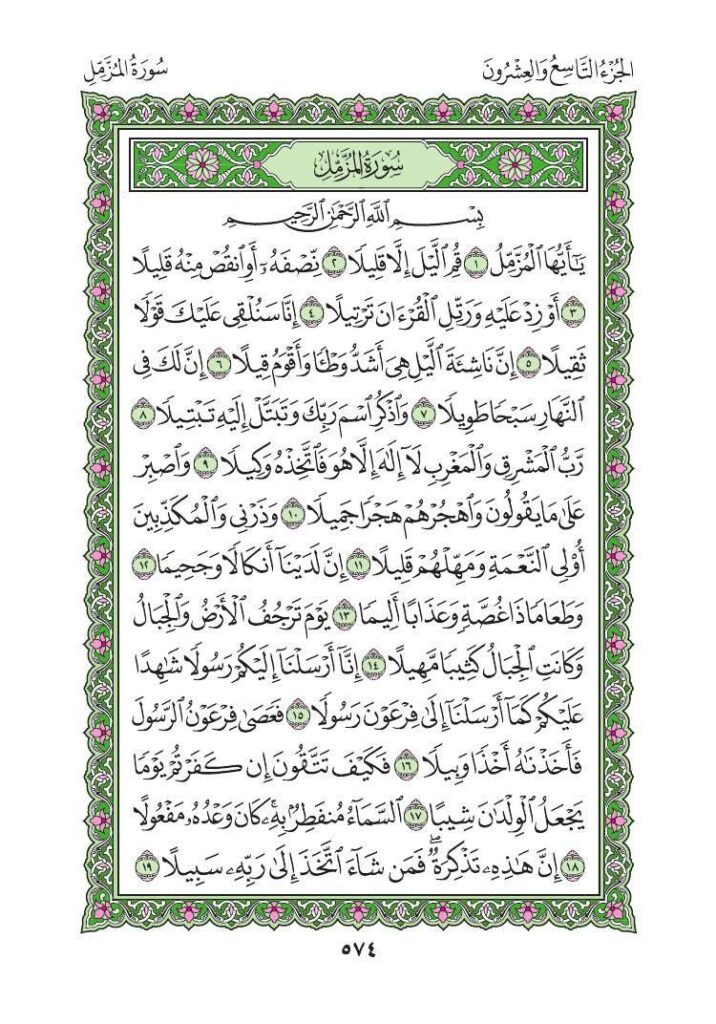
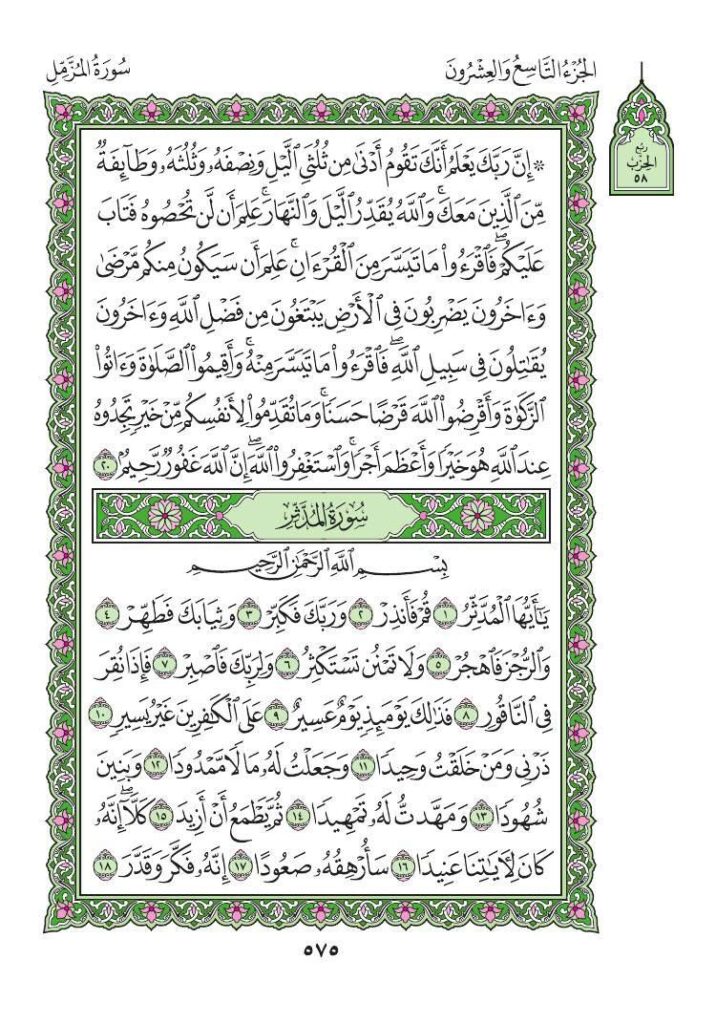
Surah Al-Muzzammil (Arabic: سورة المزمل) is the 73rd chapter of the Holy Qur’an. It consists of 20 verses and is a Makki Surah located in Juz 29.
The name Al-Muzzammil means “The One Wrapped in Garments,” referring to the Prophet Muhammad ﷺ in a moment of deep contemplation and spiritual preparation at the beginning of his mission.
This Surah is one of the earliest revelations and focuses on:
- Night prayer (Tahajjud)
- Quran recitation and reflection
- Patience in hardship
- Spiritual discipline
- Preparation for conveying the message of Islam
- Reliance upon Allah
It is a Surah that builds the spiritual foundation of a believer before facing challenges in life.
Basic Information About Surah Al-Muzzammil
| Detail | Information |
|---|---|
| Surah Name | Al-Muzzammil (The One Wrapped) |
| Surah Number | 73 |
| Total Verses | 20 |
| Revelation | Makki |
| Juz | 29 |
| Main Theme | Worship, patience, Quran recitation, spiritual strength |
Meaning of “Al-Muzzammil”
The word Al-Muzzammil (المزمل) means:
“The one who is wrapped in clothing”
It refers to the Prophet Muhammad ﷺ when he was:
- Wrapped in a cloak during night prayer
- Seeking solitude for reflection
- Preparing for the heavy responsibility of revelation
Allah addresses him gently, showing mercy and encouragement.
Historical Background of Surah Al-Muzzammil
At the beginning of Islam:
- Revelation had just started
- The Prophet ﷺ faced fear and responsibility
- Night worship was encouraged as spiritual preparation
- The message of Islam was still new and challenging
This Surah came as a divine instruction:
Strengthen yourself spiritually for the mission ahead.
Central Theme of Surah Al-Muzzammil
The main message is:
Spiritual strength through night worship and patience is essential for carrying the message of Islam.
The Surah emphasizes:
- Connection with Allah through prayer
- Discipline in worship
- Steadfastness in hardship
- Calmness in delivering truth
Major Themes of Surah Al-Muzzammil
1. Night Prayer (Tahajjud)
Allah commands the Prophet ﷺ:
- Stand in prayer at night
- Recite the Qur’an slowly and clearly
- Dedicate a portion of the night to worship
Night prayer is described as:
- Stronger for the soul
- More powerful for reflection
- Better for spiritual growth
Lesson
Quiet time with Allah builds inner strength.
2. Gradual Revelation of Responsibility
Initially:
- Long night prayers were required
- Later, Allah made it easier for believers
This shows:
Islam brings ease, not hardship.
3. Quran Recitation with Tarteel
Allah commands:
Recite the Qur’an in measured recitation.
This means:
- Slowly
- Clearly
- With reflection
- With understanding
Lesson
The Qur’an is not just to be read—it is to be lived.
4. Heavy Responsibility of Dawah
Allah says:
We will soon send upon you a heavy word.
This refers to:
- The responsibility of prophethood
- Conveying Islam to all humanity
- Facing opposition and rejection
Lesson
Truth comes with responsibility and patience.
5. Patience in the Face of Opposition
The Prophet ﷺ is instructed:
- Be patient with what people say
- Leave them with dignity
- Trust Allah’s plan
Lesson
Not every rejection requires reaction—sometimes patience is strength.
6. Remembering Allah Constantly
The Surah encourages:
- Continuous remembrance of Allah
- Dedication to worship
- Spiritual awareness throughout the day
7. Reliance on Allah (Tawakkul)
Allah is described as:
- Lord of the East and West
- The only deity
- The One to rely upon in all matters
Lesson
True success comes from dependence on Allah alone.
8. Warning to Disbelievers
The Surah ends with a warning:
- Those who reject truth will face punishment
- Wealth and power will not save them
- Judgment is certain
Tafsir of Key Sections
Verses 1–4
Command to stand in night prayer and recite the Qur’an.
Verses 5–10
Importance of spiritual preparation and patience.
Verses 11–14
Warning to disbelievers about punishment.
Verses 15–19
Example of Pharaoh and previous nations.
Verse 20
Final easing of obligations and emphasis on prayer, charity, and seeking forgiveness.
Major Lessons from Surah Al-Muzzammil
1. Night worship strengthens the soul
Tahajjud builds spiritual resilience.
2. The Qur’an must be recited with understanding
Slow, mindful recitation is essential.
3. Patience is necessary in calling to truth
Opposition is part of the journey.
4. Responsibility requires preparation
Spiritual strength comes before leadership.
5. Allah is the ultimate protector
Reliance must be placed only on Him.
6. Ease is part of Islam
Allah does not burden beyond capacity.
7. Consistency in worship is key
Small consistent actions are most beloved.
Benefits of Surah Al-Muzzammil
Reflecting on this Surah helps believers:
- Strengthen night prayer habits
- Improve Quran recitation
- Build patience and discipline
- Increase reliance on Allah
- Develop spiritual consistency
- Reduce stress and anxiety
Connection with Previous Surah
Surah Al-Jinn (72)
Focused on:
- Unseen world
- Belief of Jinn
- Universal message of Qur’an
Surah Al-Muzzammil (73)
Focuses on:
- Strengthening the Prophet ﷺ spiritually
- Night worship
- Preparation for dawah
Together they show:
Guidance must be internalized spiritually before being shared externally.
Why Surah Al-Muzzammil Matters Today
In modern life:
- People struggle with stress and anxiety
- Spiritual discipline is weak
- Night worship is rare
- Focus on material life is high
This Surah teaches:
- Slow down and connect with Allah
- Build spiritual routines
- Strengthen inner peace through worship
- Develop patience in challenges
Conclusion
Surah Al-Muzzammil is a deeply spiritual Surah that builds the foundation of a believer’s relationship with Allah.
It teaches:
- The importance of night prayer
- The power of Quran recitation
- The necessity of patience
- The responsibility of truth
- The strength of reliance on Allah
- The balance between effort and ease
It is a Surah of preparation—preparing the heart for faith, patience, and lifelong dedication to Allah.
May Allah grant us consistency in worship, love for the Qur’an, patience in difficulty, and strength in faith. Ameen.
