
Dua
Dua for Protection, Powerful Islamic Prayers for Daily Safety from Enemies and Evil


Prayers play a very important role in the daily lifestyle of human beings, especially for Muslims. The best thing is that most Muslims don’t even know the real benefits of daily duas. This article is all about simple prayers for protection which you can easily read and recite daily for safety against enemies, evil eyes, black magic, and bad energies. These duas are very easy to understand, and you can recite them in the morning and evening without any difficulty.
Start Your Day with Quran Recitation for Maximum Protection
Before starting your day, the best thing you can do is the reading of the Holy Quran, especially Surah Yaseen, which is called the heart of the Quran. You can easily read Surah Yaseen online at our website.
Surah Yaseen holds amazing spiritual powers granted by Allah Subhanahu Wa Ta’ala and gives you peace, success, and protection in all life matters. It not only shields you against evils and enemies but also helps in healing some spiritual diseases and problems that feel like hexes or black magic. It acts as a powerful spiritual protection tool by the will of Allah Subhanahu Wa Ta’ala.
Easy and Powerful Daily Protection Duas (With Numbers for Consistency)
Below I’m going to mention some powerful Islamic prayers for protection along with suggested numbers for daily recitation. These numbers are not compulsory but are just for reminder and consistency purposes.
Remember, in Islam, everything is often linked with a fixed number for better structure and blessings — like offering 5 daily prayers with fixed rakats (2 in Fajr, 4 in Dhuhr, 4 in Asr, 3 in Maghrib, and 4 in Isha with 1 Witr). Similarly, these numbers help maintain a daily flow.
Here are the most important daily duas for protection you can start reciting today:
1. Surah Yaseen for Protection
- Recite 1 time in the morning and 1 time in the evening.
2. Surah Rahman for Healing and Safety
- Recite 1 time in the morning and 1 time in the evening.
3. Manzil – 33 Verses for Strong Protection
- Recite daily — Manzil includes 33 powerful ayahs from the Quran.
- You can find it easily on our website SurahYasen.com.
4. Bismillah Hir-Rahman Nir-Raheem – Shield Against Evil
- Recite 1250 times daily (You can walk, talk, or do your work while doing this zikr).
5. Darood Ibrahimi (Darood Sharif) for Blessings and Protection
- Recite 41, 111, or 313 times daily (Choose any number as per your convenience).
6. Surah Fatiha – Cure and Protection for Every Matter
- Recite 41 times daily.
Important Note for Busy People
If you cannot recite all the duas daily, you can do partial recitation. But among all, the most important and easiest one you must do daily is “Bismillah Hir-Rahman Nir-Raheem” as much as you can.
This small but powerful zikr can create an invisible shield around you by the mercy of Allah Subhanahu Wa Ta’ala.
Final Thoughts on Daily Protection Duas
Make these daily Islamic prayers and protection duas part of your routine. It will bring peace, success, healing, and powerful defense against enemies, black magic, evil eye, and unseen dangers. Consistency matters the most, and intention with sincerity brings barakah.
May Allah protect us all. Ameen.

War, conflict, and instability are among the greatest trials faced by humanity. During times of danger, fear, and uncertainty, believers turn to Allah for protection, guidance, and strength. In Islam, supplication (dua) is one of the most powerful acts of worship, especially during hardship. A sincere prayer for protection in war can provide spiritual comfort, divine protection, and inner peace to soldiers, civilians, and families affected by conflict.
The Quran and the teachings of Prophet Muhammad ﷺ contain numerous supplications that Muslims recited during fear, battles, and difficult situations. These prayers ask Allah for protection from enemies, safety from harm, courage in difficult moments, and peace for the believers.
This comprehensive guide explores authentic Islamic supplications, Quranic verses, and Hadith that relate to a prayer for protection in war, along with explanations and spiritual insights.
The Islamic Concept of Protection During War
In Islam, protection ultimately comes from Allah alone. While believers are encouraged to take practical steps for safety and defense, they are also instructed to rely on Allah through tawakkul (trust in Allah) and sincere dua.
Allah says in the Quran:
“And if Allah should aid you, no one can overcome you; but if He should forsake you, who is there that can aid you after Him? And upon Allah let the believers rely.”
(Quran 3:160)
This verse reminds believers that ultimate safety and victory come from Allah. Therefore, making a prayer for protection in war strengthens faith and reliance on divine protection.
Quranic Verses for Protection in War
The Quran contains several verses that believers recited during battles and times of fear. These verses remain powerful supplications for protection today.
1. Surah Al-Baqarah – Prayer for Patience and Victory
One of the most famous prayers recited during battle appears in the Quran when believers faced powerful enemies.
“Our Lord, pour upon us patience and plant firmly our feet and give us victory over the disbelieving people.”
(Quran 2:250)
This verse is a powerful prayer for protection in war because it asks Allah for three essential things:
- Patience during hardship
- Strength and stability in difficult moments
- Victory and protection against enemies
Muslims have historically recited this supplication during times of danger and conflict.
2. Surah Aal-e-Imran – Trust in Allah for Protection
Allah instructs believers to place their trust in Him during times of fear.
“Those to whom people said, ‘Indeed, the people have gathered against you, so fear them.’ But it increased them in faith, and they said: ‘Allah is sufficient for us, and He is the best disposer of affairs.’”
(Quran 3:173)
The phrase “HasbiyaAllahu wa ni‘mal wakeel” (Allah is sufficient for us and the best disposer of affairs) is often recited as a prayer for protection in war.
This powerful supplication expresses complete reliance on Allah when facing danger or powerful enemies.
3. Surah Al-Anfal – Divine Support in Battle
Surah Al-Anfal discusses the Battle of Badr and the support Allah granted to believers.
Allah says:
“When you asked help of your Lord, and He answered you: ‘Indeed, I will reinforce you with a thousand angels following one another.’”
(Quran 8:9)
This verse reminds believers that Allah’s help can come in unseen ways. Reciting it strengthens faith and confidence during difficult situations.
4. Surah At-Tawbah – Protection from Harm
Another important verse related to protection states:
“Say: Never will we be struck except by what Allah has decreed for us; He is our protector.”
(Quran 9:51)
This verse teaches believers that nothing happens without Allah’s will, and it serves as a strong prayer for protection in war because it strengthens trust in divine destiny.
Authentic Hadith About Prayers During Battle
The Prophet Muhammad ﷺ taught several supplications for protection during fear and battle. These duas remain among the most powerful prayers for Muslims facing danger.
1. Dua for Protection from Enemies
The Prophet ﷺ used to say:
“Allahumma inna naj‘aluka fi nuhoorihim wa na‘udhu bika min shuroorihim.”
Meaning:
“O Allah, we place You before them and seek refuge in You from their evil.”
Reference:
Sunan Abu Dawood (Hadith 1537)
This supplication is considered a powerful prayer for protection in war, asking Allah to shield believers from enemy harm.
2. The Prophet’s Prayer Before Battle
When the Prophet ﷺ faced enemies, he prayed:
“O Allah, Revealer of the Book, swift in account, defeat the confederates. O Allah, defeat them and shake them.”
Reference:
Sahih Bukhari (Hadith 2933)
Sahih Muslim (Hadith 1742)
This supplication was recited during difficult battles and reflects a strong plea for divine protection and victory.
3. Dua for Protection from Fear
The Prophet ﷺ taught a powerful prayer for protection during fear and danger.
“Allahumma astur ‘awrati wa amin raw‘ati.”
Meaning:
“O Allah, conceal my weaknesses and calm my fears.”
Reference:
Sunan Abu Dawood (Hadith 5074)
This is a beautiful prayer for protection in war, asking Allah to remove fear and grant safety.
4. Dua When Feeling Threatened
Another powerful supplication reported from the Prophet ﷺ is:
“Allahumma anta ‘adudi wa anta naseeri, bika ajoolu wa bika usooolu wa bika uqatil.”
Meaning:
“O Allah, You are my strength and You are my supporter. Through You I move, through You I attack, and through You I fight.”
Reference:
Sunan Abu Dawood (Hadith 2632)
This dua shows complete reliance on Allah for strength and protection during battle.
The Practice of Reciting Surahs for Protection
Islamic tradition also encourages reciting certain Quranic chapters for protection during danger and hardship.
Many scholars recommend reciting these surahs as part of a prayer for protection in war:
Surah Al-Fatiha
Known as the greatest chapter of the Quran and often recited for protection and healing.
Surah Al-Ikhlas
Affirms the oneness of Allah and strengthens faith.
Surah Al-Falaq
A powerful supplication seeking refuge from external harm.
Surah An-Nas
Seeks protection from evil whispers and unseen dangers.
The Prophet ﷺ regularly recited these chapters for protection.
Reference:
Sahih Bukhari (Hadith 5017)
Ayat-ul-Kursi for Protection
One of the most powerful verses of the Quran for protection is Ayat-ul-Kursi.
Allah says:
“Allah – there is no deity except Him, the Ever-Living, the Sustainer of existence…”
(Quran 2:255)
The Prophet ﷺ said:
“Whoever recites Ayat-ul-Kursi at night will have a protector from Allah and Satan will not approach him until morning.”
Reference:
Sahih Bukhari (Hadith 2311)
Many scholars recommend reciting Ayat-ul-Kursi as a prayer for protection in war and times of fear.
The Role of Faith and Patience During War
Islam teaches believers that trials are part of life. War and conflict test faith, patience, and character.
Allah says:
“And We will surely test you with something of fear and hunger and loss of wealth and lives and fruits, but give good tidings to the patient.”
(Quran 2:155)
Through patience, prayer, and trust in Allah, believers can remain spiritually strong even during severe trials.
How Muslims Can Seek Protection During War
Islam encourages both spiritual and practical steps for protection during dangerous situations.
These include:
- Making regular dua
- Reciting Quranic verses for protection
- Maintaining strong faith and patience
- Helping others in need
- Seeking peace and justice whenever possible
A sincere prayer for protection in war strengthens both faith and resilience.
Frequently Asked Questions
What is the best prayer for protection in war in Islam?
One of the most authentic prayers is:
“Allahumma inna naj‘aluka fi nuhoorihim wa na‘udhu bika min shuroorihim.”
This dua asks Allah to protect believers from enemies.
Reference: Sunan Abu Dawood.
Which Quran verse is best for protection?
Ayat-ul-Kursi (Quran 2:255) is considered one of the most powerful verses for protection from harm.
Did the Prophet Muhammad pray before battles?
Yes. The Prophet ﷺ frequently made dua before battles and relied on Allah for protection and victory.
Conclusion
War and conflict bring immense hardship and fear, but Islam teaches believers to seek protection through faith, prayer, and trust in Allah. The Quran and the teachings of Prophet Muhammad ﷺ provide powerful supplications that can be recited during times of danger.
A sincere prayer for protection in war strengthens the heart, removes fear, and reminds believers that ultimate safety comes from Allah alone. Through patience, faith, and constant remembrance of Allah, Muslims can face even the most difficult trials with courage and hope.
By reciting authentic Quranic verses and prophetic supplications, believers connect themselves to a timeless tradition of faith and reliance on divine protection. Even in the darkest moments of conflict, prayer remains a powerful source of strength, guidance, and peace.
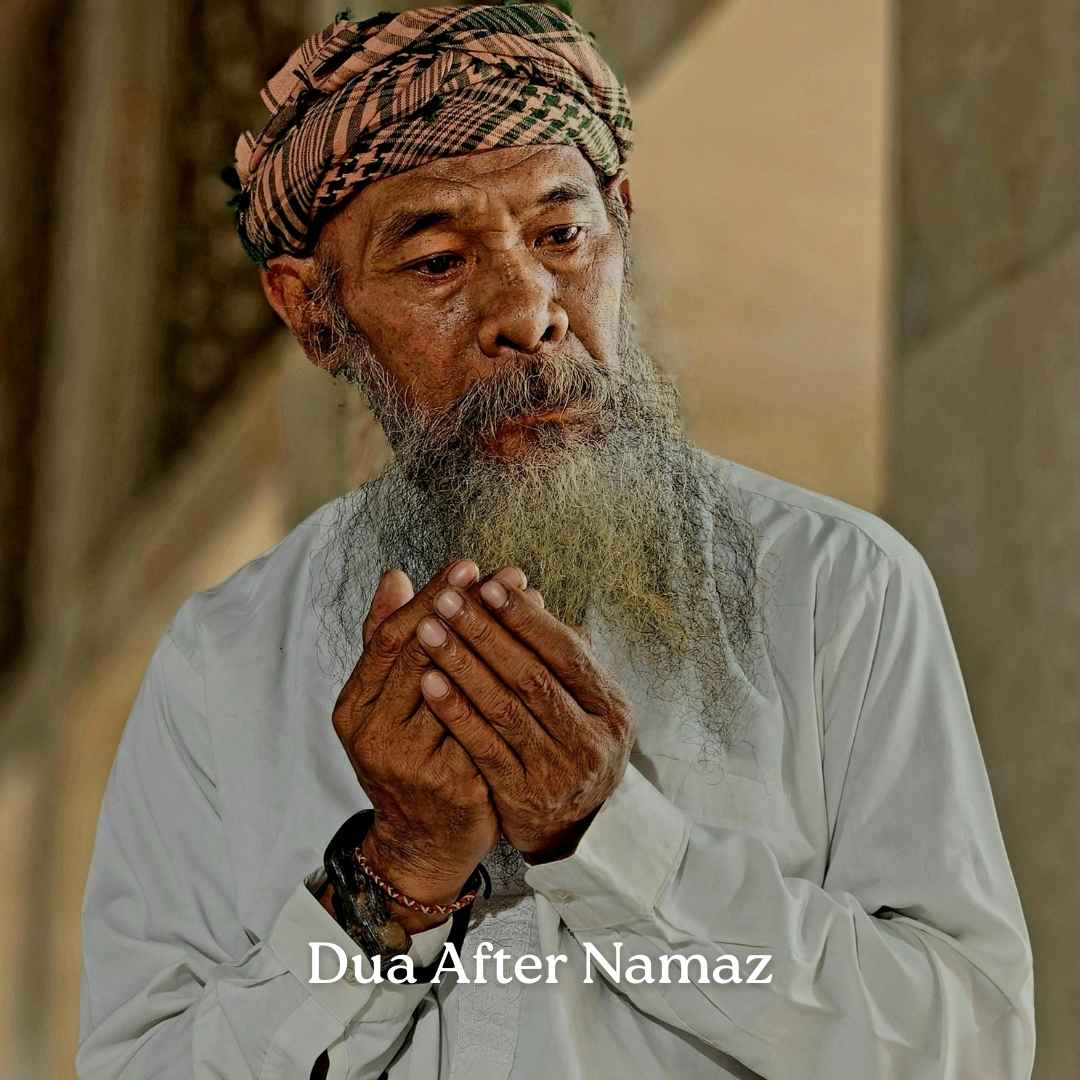
In Islam, Salah (Namaz) is not only a physical act of worship but also a spiritual connection with Allah. After completing the formal prayer, Muslims are encouraged to supplicate (make Dua) to Allah, seeking His mercy, forgiveness, and guidance.
Allah says:
“And when My servants ask you concerning Me – indeed I am near. I respond to the invocation of the supplicant when he calls upon Me.”
(Surah Al-Baqarah 2:186)
Dua after Namaz is an essential practice because it strengthens the believer’s relationship with Allah and provides spiritual, mental, and emotional benefits. It is a moment to pour one’s heart out to Allah and seek His protection, blessings, and guidance.
This article provides a complete guide on Dua after Namaz, including recommended supplications from the Quran and Sunnah, etiquette, benefits, and practical tips.
1. Understanding the Concept of Dua in Islam
Dua is a supplication, a prayer, or an intimate conversation with Allah. It is a form of worship that reflects humility, dependence, and devotion. While Salah is a structured act of worship, Dua is flexible and personal.
Prophet Muhammad ﷺ said:
“Dua is worship.”
(Tirmidhi 3372)
Key aspects of Dua:
- Direct communication with Allah: No mediator is required
- Expression of need: Asking for guidance, provision, forgiveness
- Act of worship: Can be done at any time, especially after Salah
- Flexibility: Words can be personal or from authentic supplications
2. The Etiquette of Making Dua After Namaz
To maximize the acceptance of Dua, Muslims should observe proper etiquette:
a) Begin with Praise and Salutation
- Start by praising Allah: “Alhamdulillah” (All praise is for Allah)
- Send blessings on the Prophet ﷺ: “Allahumma salli ‘ala Muhammad wa ‘ala aali Muhammad”
b) Be Humble and Sincere
- Approach Dua with humility, sincerity, and focus
- Believe that Allah is listening and capable of answering
Allah says:
“Call upon Me; I will respond to you.”
(Surah Ghafir 40:60)
c) Raise Hands While Making Dua
- Raise hands to shoulder level with palms up
- Avoid pointing fingers or making unnecessary gestures
d) Maintain Persistence
- Do not rush Dua
- Repeat if necessary, and maintain hope in Allah’s mercy
e) Avoid Sins and Hastiness
- Dua is less likely to be accepted if made with sins, arrogance, or haste
- Purity through Wudu (ablution) enhances acceptance
3. Recommended Dua After Salah From Hadith
After completing Salah, Prophet Muhammad ﷺ taught several authentic supplications. These Duas are powerful and widely practiced:
a) Istighfar (Seeking Forgiveness)
Prophet ﷺ said:
“Whoever says, ‘Astaghfirullah’ (I seek forgiveness from Allah) three times after each prayer, his sins will be forgiven even if they are as abundant as the foam of the sea.”
(Abu Dawood 1526)
- Dua: “Astaghfirullah” (I seek forgiveness from Allah)
- Recite 3–11 times after each Salah
b) Tasbih (Glorifying Allah)
Prophet ﷺ said:
“When a servant finishes his prayer, he should glorify Allah by saying ‘Subhanallah’, praise Allah by saying ‘Alhamdulillah’, and magnify Allah by saying ‘Allahu Akbar’.”
(Sahih Muslim 597)
- Dua:
- Subhanallah (Glory be to Allah)
- Alhamdulillah (All praise is due to Allah)
- Allahu Akbar (Allah is the Greatest)
c) Specific Duas for Protection and Guidance
Prophet ﷺ said:
“Whoever says after prayer: ‘Allahumma anta as-salamu wa minka as-salamu tabarakta ya dhal-jalali wal-ikram’ (O Allah, You are Peace and from You comes peace. Blessed are You, O Lord of Majesty and Honour), nothing will prevent him from entering Paradise except death.”
(Sunan Abu Dawood 918)
4. Dua for Forgiveness and Repentance
Repentance (Tawbah) is most effective after Salah. Prophet ﷺ often said:
“Say after each obligatory prayer: ‘O Allah, forgive me, have mercy on me, guide me, and protect me.’”
(Sahih Bukhari & Sahih Muslim)
- Sample Dua:
“Allahumma inni as’aluka tawbatan nasuha, wa maghfiratan min ‘indika, wa hidayatan ila siratika al-mustaqim”- Translation: O Allah, I ask You for sincere repentance, Your forgiveness, and guidance to the straight path
- This Dua covers repentance, forgiveness, and guidance.
5. Morning and Evening Duas After Salah
It is highly recommended to recite additional Duas after Fajr and Isha prayers:
a) After Fajr
- Praise Allah for the new day
- Seek protection, guidance, and sustenance
Sample Dua:
“Allahumma bika asbahna wa bika amsayna, wa bika nahya wa bika namutu wa ilayka an-nushur”
- Translation: O Allah, by You we enter the morning and by You we enter the evening, by You we live and die, and to You is the resurrection
b) After Isha
- Seek forgiveness and protection for the night
- Express gratitude for the day
Sample Dua:
“Allahumma inni as’aluka al-afiyah fi dini wa dunyaya wa ahli wa mali”
- Translation: O Allah, I ask You for well-being in my religion, my worldly life, my family, and my wealth
6. The Benefits of Dua After Namaz
a) Spiritual Benefits
- Strengthens connection with Allah
- Increases mindfulness and humility
- Brings inner peace and contentment
b) Psychological and Emotional Benefits
- Reduces anxiety and stress
- Boosts confidence in facing life challenges
- Provides hope and patience in adversity
c) Rewards and Acceptance
- Prophet ﷺ said:
“The supplication of a Muslim at the time of prayer is never rejected.”
(Tirmidhi 3485)
- Duas made after Salah have multiplied reward
7. Recommended Etiquettes While Making Dua
- Face the Qiblah – Enhances focus and humility
- Use humble language – Avoid arrogance in asking
- Raise hands – Symbol of submission
- Repeat important Duas – Prophet ﷺ repeated Duas for emphasis
- Be patient – Answer may be immediate, delayed, or replaced with something better
8. Types of Duas After Salah
a) Duas for Forgiveness (Istighfar)
- Recite: “Astaghfirullah” repeatedly
- Erases sins and purifies heart
b) Duas for Guidance (Hidayah)
- Seek Allah’s guidance for decision-making and morality
- Recite: “Rabbana la tuzigh quloobana ba’da idh hadaitana” (Surah Al-Imran 3:8)
c) Duas for Protection (Amn wa Aman)
- Seek protection from evil, harm, and calamities
- Recite: “Bismillahi alladhi la yadurru ma’asmihi shay’un fi al-ardi wa la fi as-sama’i” (Abu Dawood 5088)
d) Duas for Sustenance and Well-being
- Ask for halal provision, health, and family welfare
- Recite: “Allahumma inni as’aluka rizqan tayyiban, wa ‘ilman nafi’an, wa ‘amalan mutaqabbalan”
- Translation: O Allah, I ask You for good provision, beneficial knowledge, and accepted deeds
9. Recommended Duas for Children and Beginners
- Keep Duas short, simple, and repetitive
- Teach basic Istighfar, Tasbih, and praise
- Gradually introduce longer supplications from Quran and Hadith
Prophet ﷺ said:
“Teach your children Salah when they are seven years old.”
(Abu Dawood 495)
10. Common Mistakes in Dua After Namaz
- Rushing through Dua – Misses reflection and humility
- Distracted mind – Focus is essential for sincerity
- Neglecting Sunnah Duas – Reduces reward
- Using inappropriate language or arrogance – Lowers spiritual impact
Solution: Maintain focus, purity, and understanding of words being recited.
11. Combining Duas with Dhikr
- After Salah, combining Dhikr (remembrance of Allah) with Dua increases reward
- Recommended Dhikr:
- Subhanallah (Glory be to Allah)
- Alhamdulillah (All praise is for Allah)
- Allahu Akbar (Allah is the Greatest)
- La ilaha illallah (There is no deity but Allah)
Prophet ﷺ said:
“He who glorifies Allah after every prayer will have his sins forgiven, even if they are like the foam of the sea.”
(Sahih Muslim 597)
12. Recommended Online Resources for Learning Duas
- surahyaseen.net: Authentic Duas after Salah with Quran and Hadith references
- Online courses and apps for beginners
- Interactive guides with audio for correct pronunciation
13. Conclusion: The Power of Dua After Namaz
Dua after Namaz is a profound act of worship that enhances the spiritual, emotional, and psychological state of a Muslim. Following the Sunnah of Prophet ﷺ ensures:
- Correct recitation and etiquette
- Maximized reward and spiritual benefits
- Stronger connection with Allah
Start implementing Dua after each prayer and include Istighfar, Tasbih, personal supplications, and guidance-seeking Duas.
For step-by-step Duas after Salah, authentic Hadith references, and practical online guidance, visit 👉 surahyaseen.net.
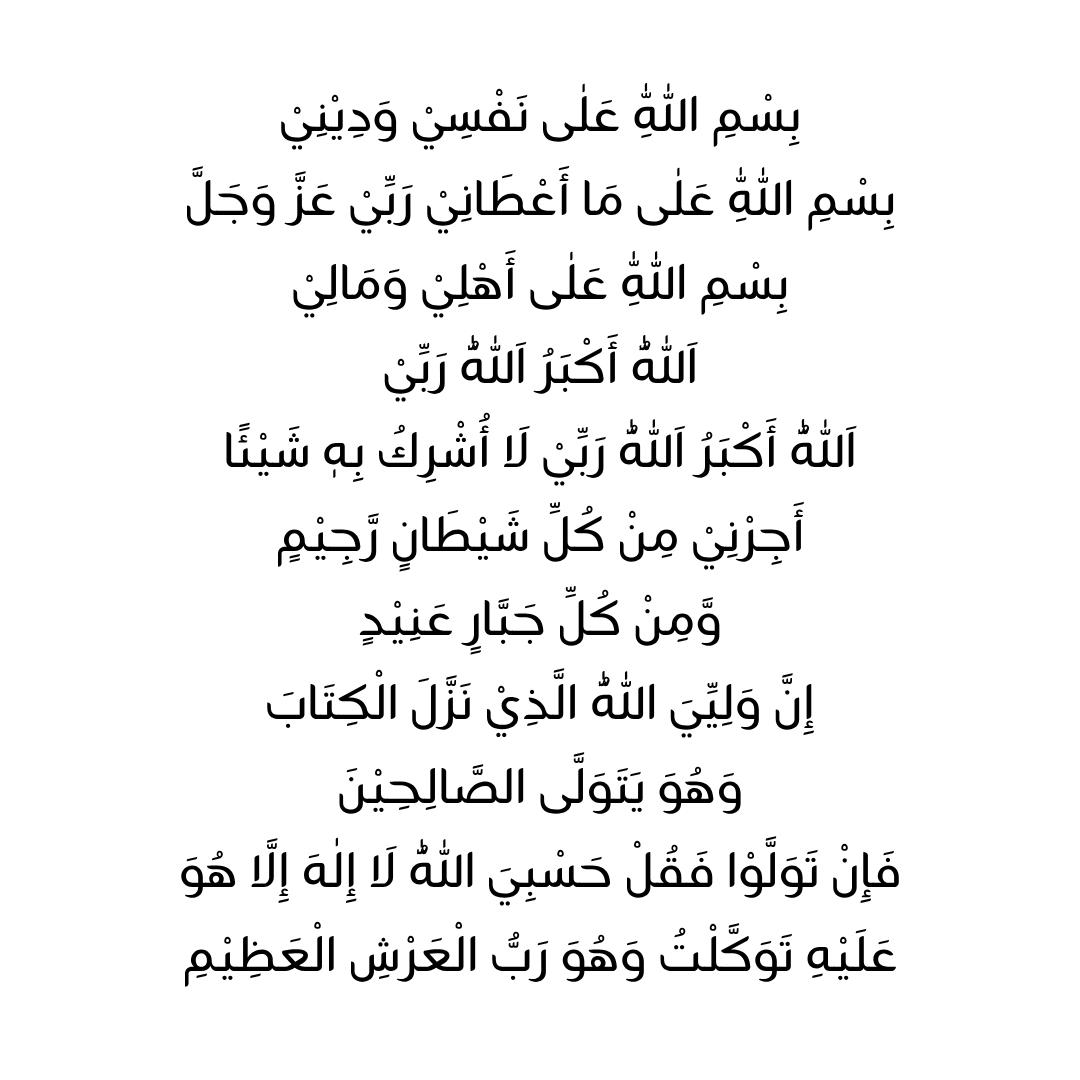
Dua of Anas ibn Malik (May Allah be pleased with him), is a powerful Dua of Protection, and it is a famous Dua among scholars. Shaikh Abdul Haq Muhaddis Al Dehlawi even wrote a commentary on it named استیناس انوار القبس فی شرح دعاء انس
In today’s world, when there is great negativity, violence, sin, and black magic, this Dua carries great importance,As this Dua protects one from accidents, jinn, black magic, enemies, evil eye, murder, and theft.
Who was Anas ibn Malik (May Allah be pleased with him)?
Before diving into the dua itself, it’s important to know the remarkable companion who received it directly from the Messenger of Allah ﷺ.
Anas ibn Malik (RA) was among the youngest and most beloved companions of the Prophet ﷺ. As a child, his mother, Umm Sulaym (RA), offered him in service to the Prophet, saying:
“O Messenger of Allah, this is your servant Anas.”
From that day, Anas spent ten years in the blessed service of the Prophet ﷺ. He witnessed his daily life, his worship, his character, and his supplications, absorbing the fragrance of prophethood in every moment.
Anas (RA) later became one of the most prolific narrators of hadith, preserving nearly 2,300 sayings and incidents of the Prophet ﷺ. Among these, he also transmitted powerful prayers, and one of the most remarkable among them is this Dua of Protection.
The Event Behind Dua of Anas ibn Malik getting famous
The context of this dua reveals its deep spiritual and historical significance.
It is narrated that Abd al-Malik ibn Marwan, the Umayyad Caliph, once wrote to al-Ḥajjaj ibn Yusuf, the notorious governor of Iraq, saying:
“Take care of Anas ibn Malik, the servant of the Messenger of Allah ﷺ. Honor him, keep him close to your gatherings, and grant him a generous allowance.”
When Anas (RA) later came to meet al-Ḥajjaj, the governor said:
“O Abu Ḥamzah! I wish to show you my horses so that you may tell me how they compare to the horses of the Messenger of Allah ﷺ.”
So al-Ḥajjaj brought out his horses, but Anas (RA) said:
“There is no comparison between your horses and the horses of the Messenger of Allah ﷺ , for even the droppings, urine, and hooves of his horses held reward and blessing.”
This statement enraged al-Ḥajjaj, who threatened him in anger:
“If not for the Caliph’s letter, I would strike your eyes!”
Anas (RA), with calm faith, replied:
“You cannot do that.”
Al-Ḥajjaj demanded, “And why not?”
Anas (RA) answered with confidence:
“Because the Messenger of Allah ﷺ taught me a supplication, and since I began reciting it, I have never feared any devil, king, or wild beast.”
Al-Ḥajjaj was astonished and said:
“O Abu Ḥamzah, teach that supplication to my nephew!”
But Anas (RA) refused.
In another version, al-Ḥajjaj himself asked to learn the dua, but Anas said:
“No, by Allah, I will never teach it to you, for you are not worthy of it.”
Years later, as Anas ibn Malik (RA) neared his death, he called upon Aban ibn Abi Ayyash, saying:
“The time of our separation has come. I will now teach you the dua that the Messenger of Allah ﷺ taught me. But promise me, do not teach it to anyone who does not fear Allah.”
Then he recited this blessed prayer, known today as Dua of Anas ibn Malik, a divine shield for those who trust Allah and seek His protection.
The Arabic Text of Dua Anas ibn Malik (RA)
بِسْمِ اللّٰهِ عَلٰى نَفْسِيْ وَدِيْنِيْ
بِسْمِ اللّٰهِ عَلٰى مَا أَعْطَانِيْ رَبِّيْ عَزَّ وَجَلَّ
بِسْمِ اللّٰهِ عَلٰى أَهْلِيْ وَمَالِيْ
اَللّٰهُ أَكْبَرُ اَللّٰهُ رَبِّيْ
اَللّٰهُ أَكْبَرُ اَللّٰهُ رَبِّيْ لَا أُشْرِكُ بِهٖ شَيْئًا
أَجِرْنِيْ مِنْ كُلِّ شَيْطَانٍ رَّجِيْمٍ
وَّمِنْ كُلِّ جَبَّارٍ عَنِيْدٍ
إِنَّ وَلِيِّيَ اللّٰهُ الَّذِيْ نَزَّلَ الْكِتَابَ
وَهُوَ يَتَوَلَّى الصَّالِحِيْنَ
فَإِنْ تَوَلَّوْا فَقُلْ حَسْبِيَ اللّٰهُ لَا إِلٰهَ إِلَّا هُوَ
عَلَيْهِ تَوَكَّلْتُ وَهُوَ رَبُّ الْعَرْشِ الْعَظِيْمِ
English Translation
In the Name of Allah — I seek His protection for myself and my religion.
In the Name of Allah — I seek His protection for every blessing that my Lord, the Exalted, has bestowed upon me.
In the Name of Allah — I seek His protection for my family, my wealth, and my children.
Allah is the Greatest! Allah is my Lord.
Allah is the Greatest! Allah is my Lord; I associate no partner with Him.
I seek refuge in Allah from every accursed devil and from every arrogant tyrant.
Indeed, my Protector is Allah — the One who sent down the Book, and He is the Guardian of the righteous.
So if they (the disbelievers or enemies) turn away, then say:
“Allah is sufficient for me; there is no god but Him. In Him I place my trust, and He is the Lord of the Mighty Throne.”
Meaning and Reflection
This dua is a masterpiece amongst the Protection prayers called hisar as it combines Dhikr (remembrance of Allah) combines tawḥid (oneness of Allah), tawakkul (trust in Allah), and isti‘adhah (seeking refuge) into one profound spiritual invocation.
1. Protection Through “Bismillah”
Each line begins with Bismillah,i.e, “In the Name of Allah.”
This repetition is not a poetic flourish, but it is a spiritual power.
It sanctifies everything, your life, family, wealth, and blessings doing so itplaces them under Allah’s protection.
2. The Declaration of Divine Lordship
“Allahu Akbar, Allahu Rabbi” — “Allah is the Greatest, Allah is my Lord.”
This phrase frees the heart from fear of creation. It reminds believers that no power, ruler, or force can harm except by Allah’s will.
3. Seeking Refuge from Devils and Tyrants
“Ajirni min kullishayṭaninrajimwa min kullijabbarin ‘anid.”
This plea guards the soul against unseen and visible enemies alike — the whispers of devils, and the oppression of arrogant rulers.
4. Affirmation of Allah as the Guardian
“Inna waliyya Allahu alladhinazzala al-kitab.”
It declares allegiance to Allah — the One who revealed the Qur’an and protects the righteous. It’s a statement of spiritual independence: our loyalty belongs only to Him.
5. Complete Reliance and Contentment
“Fa-in tawallawfaqulḥasbiyallahu lailahaillahuwa.”
When people turn away, believers turn to Allah.
He alone is sufficient — “Hasbiyallah” — the cry of every soul that trusts its Creator.
When to Recite the Dua of Anas ibn Malik
Anas (RA) advised his student:
“Recite it morning and evening, and Allah will protect you from every calamity and affliction.”
Thus, it can be read:
- After Fajr (morning) and Maghrib (evening) prayers.
- When embarking on travel.
- In times of fear, anxiety, or danger.
- As a daily protective prayer for yourself and your family.
It’s also recommended to recite it three times daily for strong spiritual protection, similar to the morning and evening adhkar.
Benefits and Virtues of Dua Anas ibn MalikR.A
While there are no explicit hadith quantifying its rewards, its meaning alone shows its immense power. Scholars and spiritual teachers have emphasized that this dua:
1. Grants Protection
Safeguards from harm, evil spirits, enemies, and oppressors, just as Anas (RA) himself was protected from al-Ḥajjaj’s wrath.
2. Strengthens Faith and Calmness
It builds peace and strength of heart and spirit by reminding your heart of the greatness and nurturance of Allah.
3. Brings Divine Barakah (Blessing)
By invoking Allah’s name upon yourself, your family, and your wealth, it invites continuous divine blessing and protection.
4. Reinforces Tawakkul (Trust in Allah)
The final verse teaches complete reliance: “Hasbiyallahu lailahaillahuwa.”
It builds unshakeable faith in Allah’s sufficiency a weapon against fear and despair.
Lessons from the Story
The incident of Anas (RA) and al-Ḥajjaj is more than a historical anecdote; it’s a moral and spiritual lesson.
1. The Power of Faith Over Tyranny
When faced with a cruel ruler, Anas (RA) stood firm, unshaken, because he trusted the dua taught by the Prophet ﷺ.
Faith made him fearless.
2. The Worthiness of Spiritual Secrets
Anas refused to teach the dua to someone arrogant and oppressive.
It reminds us that divine words carry sanctity — they are not for the ungrateful or unjust.
3. The Mercy of the Prophet ﷺ
The Prophet did not only teach theology — he gave his companions spiritual tools to face life’s dangers with divine support.
How to Integrate This Dua into Daily Life
To make this dua part of your spiritual routine:
- Memorize it in Arabic if possible, its power lies in the original words.
- Recite it every morning and evening.
- Read it after major prayers when seeking divine protection.
- Teach it to your family, especially children, as part of their daily adhkar.
- You can also write it down and keep it in your home, car, or workplace as a reminder that Allah’s protection surrounds you.
Dua Anas ibn Malik in Modern Times
In today’s world, full of anxiety, chaos, and unseen harm, in the form of Jinn, evil eye, and black magic, this dua has great significance. It reminds believers that real safety does not come from wealth, technology, or status, but from Allah alone.
The same words that shielded Anas ibn Malik (RA) from the wrath of a tyrant continue to protect those who recite them with sincerity and faith.
Whether you are struggling with stress, fear, envy, or the evil eye, the Dua of Anas ibn Malik is a spiritual armor that restores inner peace and divine connection.
Conclusion
The Dua of Anas ibn Malik (RA) is a masterpiece as besides it being a shield and armour against the calamities, it has a style of asking for by declaration of faith, humility, and divine trust.
It encapsulates the believer’s entire relationship with Allah: seeking His protection, acknowledging His lordship, and relying upon His will alone.
Anas (RA) learned this dua from the Prophet ﷺ and through it, he lived a life without fear of devils, rulers, or beasts.
Whoever recites it today joins that same chain of divine protection connecting heart to heart, from the servant of the Prophet ﷺ to the Prophet himself, and to Allah, the Lord of the Mighty Throne.
FAQs About Dua Anas ibn Malik
1. Who taught the Dua of Anas ibn Malik?
The Prophet Muhammad ﷺ taught it directly to Anas ibn Malik (RA), his young companion and servant.
2. Where is this dua recorded?
It is narrated in Al-Du‘a’ by al-Ṭabarani (no. 323) ‘Amal al-Yawmwa al-Laylah by Ibn al-Sunni (no. 308)
Al-Fawaʾid al-Muntaqah by Ibn al-Sammak — “The Selected Benefits” (p. 27)
Al-Muntaẓam fi Tarikh al-Muluk wa al-Umam — “The Chronicle of Kings and Nations” (vol. 6, p. 339)
Tarikh Dimashq by Ibn ʿAsakir — “The History of Damascus” (vol. 52, p. 259)
MajmuʿRasaʾil al-Ḥafiz al-ʿAlaʾi — “The Collected Treatises of al-Ḥafiẓ al-ʿAlaʾi” (p. 358)
Al-Khaṣaʾiṣ al-Kubra by al-Suyuṭi — “The Grand Characteristics (of the Prophet ﷺ)” (vol. 2, p. 298)
Subul al-Hudawa al-Rashad fi Sirat Khayr al-ʿIbadﷺ) (vol. 10, p. 228) .
3. When should I recite it?
Recite it morning and evening for continuous divine protection, or at times of fear, illness, or travel.
4. What protection does it offer?
It shields one from devils, evil people, tyrants, calamities, and spiritual harm as promised through the event of Anas (RA).
5. Can I teach this dua to others?
Yes, it may be shared with sincere believers who seek Allah’s protection. Anas (RA) only warned against giving it to the arrogant or godless.
6. What makes this dua unique?
It combines remembrance (dhikr), supplication (du‘a’), and Qur’anic affirmation (Hasbiyallahu lailahaillahuwa), making it one of the most comprehensive protection prayers.
Final Reminder:
Recite this dua with sincerity, reflection, and belief in Allah’s mercy.
Let its words flow from your heart, not just your tongue, for it is not the sound, but the faith behind it, that unlocks divine protection.
-

 Blog1 year ago
Surah Muzammil
-

 Blog10 months ago
Surah Yaseen
-

 Blog12 months ago
Surah Nasr
-

 Blog1 year ago
Surah Yaseen: The Heart of the Quran and Its Blessings
-

 Blog1 year ago
Nazar Ki Dua
-

 Blog10 months ago
Nazar Ki Dua by Prophet ﷺ
-
 Quran9 months ago
Surah Kausar
-

 Blog1 year ago
Surah Yaseen Mubeen Wazifa: Unlock Spiritual Growth & Life Solutions