Surah Al Fajr
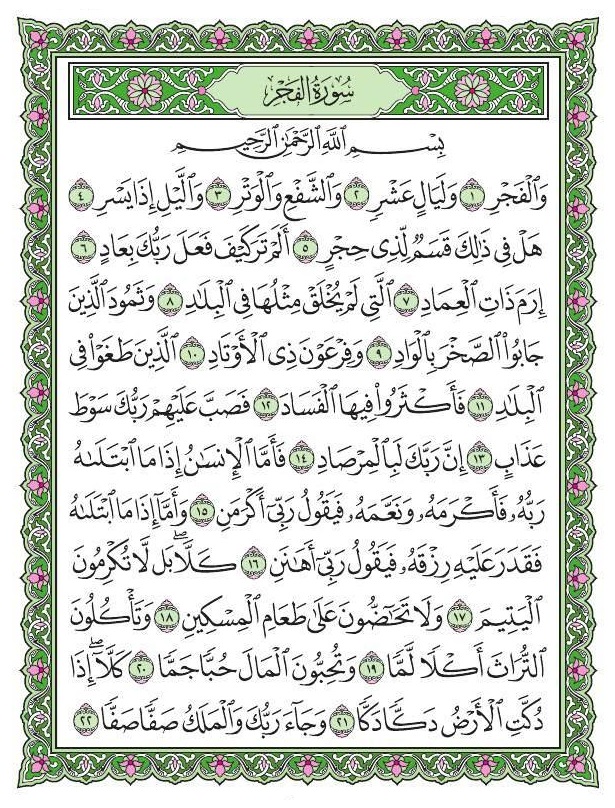
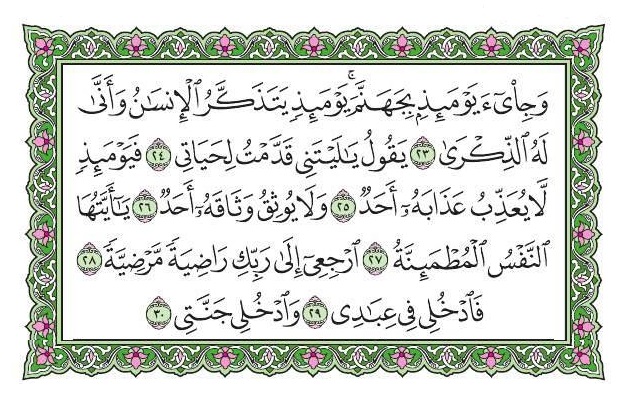
Surah Al-Fajr (Arabic: سورة الفجر) is the 89th chapter of the Holy Qur’an. It contains 30 verses and is a Makki Surah revealed in the early period of Islam in Makkah.
The word “Al-Fajr” means “The Dawn” or “Daybreak.” It refers to the breaking of darkness and the arrival of light, symbolizing both physical dawn and spiritual awakening.
This Surah is powerful and emotional, focusing on:
- The destruction of past arrogant nations
- Human trials of wealth and poverty
- The nature of the human soul
- The certainty of the Hereafter
- The honor of the righteous soul at death
It is a Surah that shakes the heart and reminds humanity of ultimate accountability.
Basic Information About Surah Al-Fajr
| Detail | Information |
|---|---|
| Surah Name | Al-Fajr (The Dawn) |
| Surah Number | 89 |
| Total Verses | 30 |
| Revelation | Makki |
| Juz | 30 |
| Main Theme | Accountability, nations, wealth, soul |
| Meaning | The Dawn |
Meaning of “Al-Fajr”
The word Al-Fajr (الفجر) means:
“The breaking of dawn after darkness.”
Symbolically, it represents:
- Hope after hardship
- Truth after falsehood
- Guidance after ignorance
- Resurrection after death
Allah begins the Surah by swearing by the dawn, showing its importance.
Historical Background of Surah Al-Fajr
This Surah was revealed when:
- Quraysh leaders were arrogant due to wealth
- Society was divided between rich and poor
- People denied resurrection
- Past nations were ignored as lessons
Allah revealed Surah Al-Fajr to:
Warn arrogant societies that destruction of previous nations is a clear lesson for all humanity.
Central Theme of Surah Al-Fajr
The main message is:
Wealth and power do not guarantee success; true honor lies in faith, righteousness, and obedience to Allah.
The Surah focuses on:
- History of destroyed nations
- Human arrogance
- Wealth as a test
- The return of the soul to Allah
- Eternal reward and punishment
Major Themes of Surah Al-Fajr
1. Oaths by Sacred Times
Allah swears by:
- The dawn (Fajr)
- The ten nights (interpreted as Dhul-Hijjah)
- The even and odd
- The passing night
These oaths emphasize:
Time itself is a witness to Allah’s power.
2. Destruction of Past Nations
Allah mentions powerful civilizations:
- ‘Ad (people of Prophet Hud AS)
- Thamud (people of Prophet Salih AS)
- Pharaoh (Fir’aun)
They were destroyed because of:
- Arrogance
- Corruption
- Disobedience
No matter how powerful they were, they could not escape Allah’s punishment.
3. Human Misunderstanding of Wealth
Allah says:
When a human is blessed, they say: “My Lord has honored me.”
But when tested with poverty, they say:
“My Lord has humiliated me.”
Allah corrects this thinking:
- Wealth is not honor
- Poverty is not humiliation
- Both are tests
4. Love of Wealth
Human beings often:
- Love wealth excessively
- Do not care for the poor
- Inherit greed
This attachment leads to spiritual destruction.
5. The Reality of Judgment Day
On that Day:
- Earth will be crushed
- Angels will come in rows
- Hell will be brought forward
No one will escape accountability.
6. Regret of Disbelievers
On that Day, humans will say:
“I wish I had prepared for my life.”
But regret will not help.
7. Peaceful Soul (Nafs al-Mutma’innah)
Allah addresses the righteous soul:
“O tranquil soul, return to your Lord, pleased and pleasing.”
This is one of the most beautiful verses in the Qur’an.
It describes a soul that is:
- Calm
- Faithful
- Content
- Close to Allah
8. Entry into Paradise
The righteous will be told:
- Enter My Paradise
- Enter My mercy
- Enter eternal peace
9. Divine Justice
Allah never ظلم (oppresses) anyone.
Every reward and punishment is:
- Perfect
- Fair
- Just
10. Reminder for Humanity
The Surah ends by reminding:
People do not honor the orphan, do not feed the poor, and love wealth excessively.
This reflects moral corruption in society.
Tafsir of Key Sections
Verses 1–5
Oaths by dawn, nights, and time.
Verses 6–14
Destruction of past nations due to arrogance.
Verses 15–20
Human misunderstanding of wealth and poverty.
Verses 21–26
Reality of Judgment Day and regret of disbelievers.
Verses 27–30
Peaceful soul entering Paradise and divine honor.
Major Lessons from Surah Al-Fajr
1. History is a lesson
Destroyed nations are warnings for humanity.
2. Wealth is a test
It is not a sign of honor.
3. Poverty is also a test
It is not humiliation.
4. Arrogance leads to destruction
Past nations prove this.
5. The Hereafter is real
Everyone will return to Allah.
6. The peaceful soul is the goal
True success is spiritual peace.
7. Allah is perfectly just
No one is wronged.
Benefits of Reflecting on Surah Al-Fajr
Reflection helps believers:
- Understand the reality of wealth
- Avoid arrogance
- Strengthen faith in the Hereafter
- Learn from history
- Develop gratitude
- Seek inner peace
Connection with Previous Surah
Surah Al-Ghashiyah (88)
Focused on:
- Judgment Day
- Paradise and Hell
- Signs in creation
Surah Al-Fajr (89)
Focuses on:
- Real-life consequences of arrogance
- Historical destruction of nations
- Human behavior toward wealth
- Final destiny of the soul
Together they teach:
Those who ignore signs in creation will face lessons in history and accountability in the Hereafter.
Why Surah Al-Fajr Matters Today
Modern society often:
- Judges people by wealth
- Ignores the poor
- Misunderstands success
- Lives in materialism
This Surah reminds us:
- Wealth is not honor
- Power is temporary
- True success is righteousness
- The soul will return to Allah
Conclusion
Surah Al-Fajr is a deeply emotional Surah that combines history, morality, and the reality of the human soul.
It teaches:
- Past nations were destroyed for arrogance
- Wealth and poverty are tests
- Human beings must prepare for the Hereafter
- The peaceful soul is honored by Allah
- True success is returning to Allah in peace
The Surah awakens the heart and reminds humanity of its ultimate journey.
May Allah make our souls among the peaceful ones and grant us entry into His eternal Paradise. Ameen.
