Surah Al Maarij
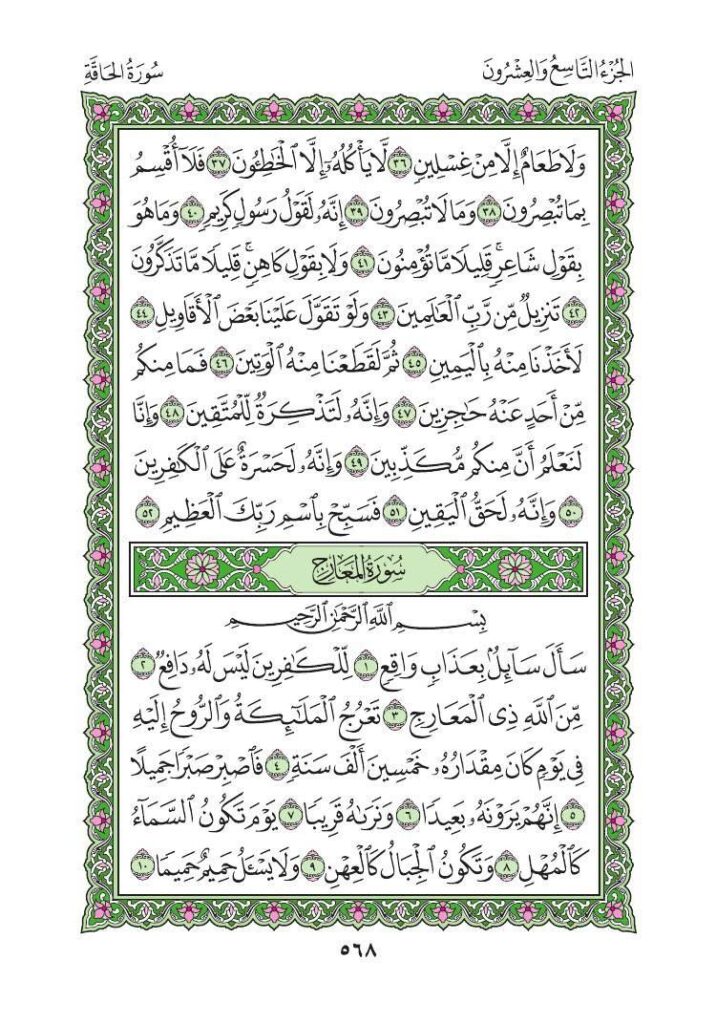
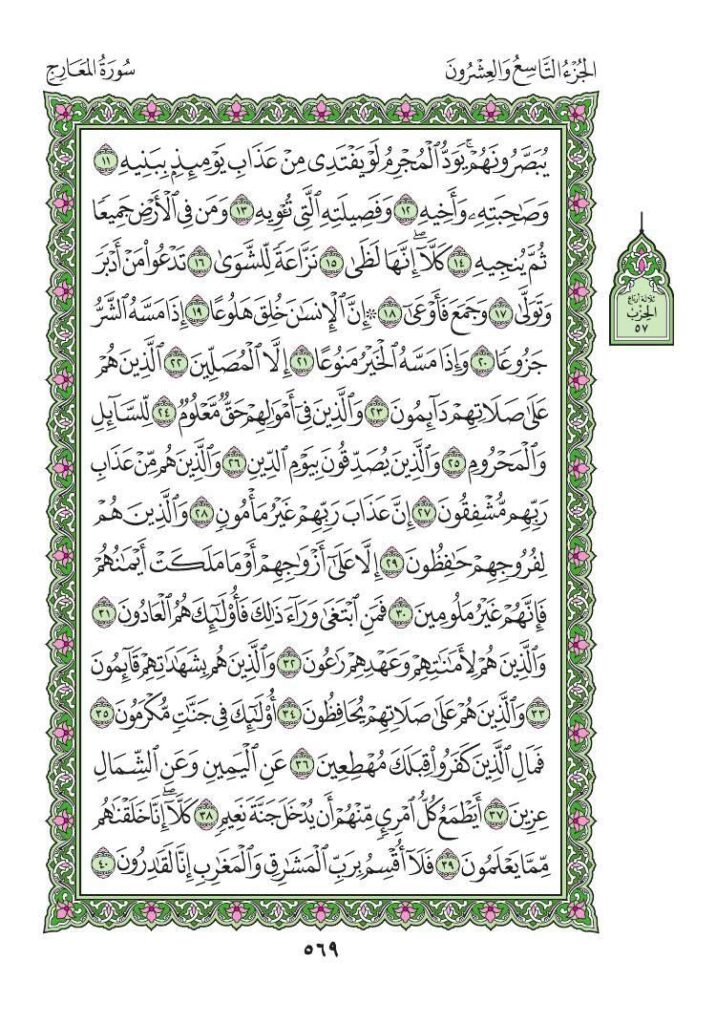
Surah Al-Ma’arij (Arabic: سورة المعارج) is the 70th chapter of the Holy Qur’an. It consists of 44 verses and is a Makki Surah revealed during the early period of the Prophet Muhammad’s ﷺ mission in Makkah.
This Surah addresses several fundamental Islamic beliefs, including:
- The certainty of the Day of Judgment
- The punishment awaiting those who reject faith
- Human nature and its weaknesses
- The characteristics of true believers
- Patience during hardship
- The reality of the Hereafter
The Surah derives its name from the word Al-Ma’arij, meaning “The Ways of Ascent” or “The Ascending Stairways,” referring to the heavenly realms through which angels ascend by Allah’s command.
Surah Al-Ma’arij serves as a powerful reminder that while humans are often impatient and focused on immediate worldly concerns, true success lies in faith, patience, worship, and preparation for the Hereafter.
Basic Information About Surah Al-Ma’arij
| Detail | Information |
|---|---|
| Surah Name | Al-Ma’arij (The Ways of Ascent) |
| Surah Number | 70 |
| Total Verses | 44 |
| Revelation | Makki |
| Juz | 29 |
| Main Theme | Human nature, patience, and the Day of Judgment |
Meaning of “Al-Ma’arij”
The word Al-Ma’arij (المعارج) means:
“The Ways of Ascent”
“The Ascending Stairways”
The term refers to the paths through which angels ascend to Allah’s command in the heavens.
Allah says that the angels and the Spirit (Jibril عليه السلام) ascend to Him in a day whose measure is fifty thousand years.
This demonstrates:
- Allah’s greatness
- The vastness of creation
- The reality of the unseen world
Historical Background of Surah Al-Ma’arij
During the Makkan period:
- The Quraysh mocked the warnings of the Hereafter.
- They demanded immediate punishment.
- They denied resurrection.
- They ridiculed the Prophet Muhammad ﷺ.
According to many scholars, the Surah begins by referring to a disbeliever who challenged the Prophet ﷺ and arrogantly demanded the punishment he was warned about.
Allah responded by affirming that punishment will indeed come, but according to His wisdom and timing.
Central Theme of Surah Al-Ma’arij
The main message of the Surah is:
Human beings must overcome impatience and prepare for the inevitable Day of Judgment through faith, worship, and righteous deeds.
The Surah contrasts:
- The panic of disbelievers on Judgment Day
- The peace and success of sincere believers
Major Themes of Surah Al-Ma’arij
1. The Certainty of Divine Judgment
The Surah begins by mentioning a questioner who asked about the punishment.
Allah clarifies:
- The punishment is real.
- No one can prevent it.
- It will occur at the appointed time.
This serves as a warning to those who deny accountability.
2. The Greatness of Allah
Allah is described as:
Lord of the Ways of Ascent.
The Surah highlights:
- The majesty of Allah
- The vastness of the heavens
- The reality of angels
This reminds humanity of its small place within creation.
3. The Long Day of Judgment
The Surah describes a Day equivalent to:
Fifty thousand years
Scholars explain that this reflects the immense seriousness and difficulty of that Day, especially for disbelievers.
For believers, however, Allah will make the Day easier according to authentic Islamic teachings.
4. Patience (Sabr)
Allah commands the Prophet ﷺ:
So be patient with gracious patience.
This is one of the central lessons of the Surah.
Believers are taught to remain patient when:
- Facing hardship
- Experiencing injustice
- Encountering opposition
- Waiting for Allah’s help
Patience is a sign of strong faith.
5. The Terror of the Hereafter
The Surah paints vivid scenes of Judgment Day.
People will flee from:
- Their brothers
- Their mothers
- Their fathers
- Their spouses
- Their children
Every individual will be concerned with their own fate.
This demonstrates the seriousness of accountability before Allah.
6. Human Nature: Created Impatient
One of the most famous passages in the Surah states:
Indeed, mankind was created anxious and impatient.
When hardship touches him:
- He becomes distressed.
When prosperity comes:
- He becomes selfish.
The Qur’an identifies this weakness as part of human nature.
However, Islam provides guidance to overcome it.
7. The Characteristics of True Believers
The Surah lists qualities that distinguish righteous believers.
They Establish Prayer
Prayer creates discipline and strengthens faith.
They Give Charity
They recognize the rights of the poor and needy.
They Believe in the Day of Judgment
Their actions are shaped by awareness of accountability.
They Fear Allah’s Punishment
This fear motivates obedience and humility.
They Guard Their Chastity
They maintain moral purity and lawful relationships.
They Fulfill Trusts and Promises
Integrity is a sign of true faith.
They Speak Truthfully
Honesty is central to Islamic character.
They Maintain Their Prayers
Consistent worship strengthens the believer.
8. Reward of Paradise
After describing these qualities, Allah promises:
They will be honored in Gardens of Paradise.
This is the ultimate reward for those who remain steadfast.
9. Warning to the Disbelievers
The Surah concludes by warning those who mocked revelation.
No wealth, family, or worldly status will save them from divine judgment.
Only faith and righteous deeds will benefit a person.
Tafsir of Key Sections
Verses 1–7
Warning about the coming punishment and command to remain patient.
Verses 8–18
Scenes of the Day of Judgment and human desperation.
Verses 19–35
Description of human weakness and qualities of true believers.
Verses 36–44
Warnings to disbelievers and reminders of resurrection.
Major Lessons from Surah Al-Ma’arij
1. The Day of Judgment Is Certain
Every soul will stand before Allah.
2. Patience Is Essential
Believers succeed through perseverance.
3. Human Nature Needs Guidance
Without faith, people become controlled by fear and greed.
4. Prayer Builds Stability
Regular worship protects the heart.
5. Charity Purifies Wealth
Giving strengthens society and earns reward.
6. Accountability Shapes Character
Belief in the Hereafter encourages righteousness.
7. Paradise Is for the Steadfast
Success comes through consistent faith and obedience.
Benefits of Reflecting on Surah Al-Ma’arij
Studying this Surah helps believers:
- Develop patience
- Strengthen prayer habits
- Increase awareness of the Hereafter
- Improve moral character
- Build trust in Allah
- Overcome anxiety and impatience
The greatest benefit comes from:
Applying its teachings in everyday life.
Connection with Previous Surah
Surah Al-Haqqah (69)
Focused on:
- The certainty of Judgment Day
- Accountability
- Divine justice
Surah Al-Ma’arij (70)
Focuses on:
- Human reactions to Judgment Day
- Patience
- Characteristics of successful believers
Together they teach:
Judgment is certain, and preparation requires patience and righteous deeds.
Why Surah Al-Ma’arij Matters Today
Modern life often promotes:
- Instant gratification
- Impatience
- Materialism
Surah Al-Ma’arij teaches believers to:
- Think long-term
- Prepare for eternity
- Develop patience
- Focus on spiritual growth
Its message is especially relevant in a fast-paced world where many people struggle with anxiety and constant distractions.
Conclusion
Surah Al-Ma’arij is a profound reminder that while human beings are naturally impatient and anxious, faith provides the path to stability and success.
The Surah teaches:
- The Day of Judgment is inevitable.
- Patience is essential.
- Prayer strengthens the soul.
- Charity purifies wealth.
- Accountability shapes behavior.
- Paradise belongs to the steadfast believers.
Through its powerful descriptions of the Hereafter and its practical guidance for daily life, Surah Al-Ma’arij encourages every believer to rise above human weakness and pursue the path leading to Allah’s pleasure.
May Allah grant us patience, sincerity, steadfastness in prayer, and entry into Paradise through His mercy. Ameen.
