
Surah
Surah Al Maun

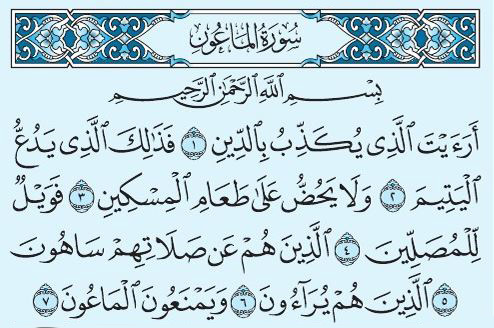
Surah Al Maun is one of the most powerful short chapters of the Holy Qur’an that exposes the reality of false faith and superficial religiosity. Despite its brevity, this Surah delivers a deep moral and social message that remains highly relevant in today’s world.
Surah Al Maun does not only talk about belief in Allah but highlights how true faith is reflected through actions, compassion, and concern for others—especially the poor, orphans, and the needy. It strongly condemns hypocrisy, neglect of prayer, and lack of social responsibility.
This Surah serves as a reminder that Islam is not limited to rituals; rather, it is a complete system of ethics, worship, and social justice.
Basic Information About Surah Al Maun
- Surah Name: Surah Al Maun
- Arabic Name: سورة الماعون
- Surah Number: 107
- Total Verses (Ayat): 7
- Revelation Type: Makki Surah
- Main Theme: Hypocrisy, denial of religion, neglect of prayer, and lack of kindness
Surah Al Maun was revealed in Makkah and addresses the moral corruption of those who outwardly appear religious but inwardly deny accountability and compassion.
Meaning of the Word “Al Maun”
The Arabic word “Maun” refers to small acts of kindness, basic assistance, or everyday help that people often overlook—such as lending simple household items, helping a neighbor, or offering support to someone in need.
By naming the Surah Al Maun, Allah emphasizes that even refusing small kindnesses reflects a deeper moral failure and lack of true faith.
Translation and General Meaning of Surah Al Maun
Surah Al Maun questions the character of a person who claims to believe in religion yet:
- Denies the Day of Judgment
- Harshly treats orphans
- Does not encourage feeding the poor
- Prays only to show off
- Is careless about Salah
- Refuses small acts of help
This Surah makes it clear that belief without compassion is meaningless.
Tafseer (Explanation) of Surah Al Maun – Verse by Verse
1. Denial of Religion and Accountability
The Surah opens by asking a rhetorical question about those who deny religion. This denial is not only verbal disbelief but practical rejection of accountability, especially the belief in the Hereafter.
Such people live selfishly because they do not fear standing before Allah.
2. Harsh Treatment of Orphans
Islam places immense importance on the care of orphans. Surah Al Maun highlights that mistreating or ignoring orphans is a sign of spiritual corruption.
A true believer protects the weak, while a hypocrite exploits or neglects them.
3. Ignoring the Poor and Needy
The Surah criticizes those who do not encourage feeding the poor. This indicates not only personal negligence but also a lack of concern for building a compassionate society.
Islam encourages collective responsibility, not individual selfishness.
4–5. Neglecting Prayer (Salah)
Surah Al Maun does not condemn prayer itself but condemns carelessness in prayer—performing Salah without sincerity, focus, or consistency.
These verses address people who pray outwardly but remain spiritually disconnected from Allah.
6. Showing Off in Worship (Riya)
One of the most severe warnings in Surah Al Maun is against Riya—performing acts of worship for public display rather than for Allah.
Such actions cancel the reward of worship and turn good deeds into sins.
7. Refusing Small Kindnesses
The Surah ends by condemning those who withhold even basic help. This final verse summarizes the message: faith must be visible through kindness, generosity, and empathy.
Core Themes of Surah Al Maun
1. Hypocrisy in Religion
Surah Al Maun exposes those who claim to be religious but lack moral character.
2. Social Justice in Islam
Caring for orphans and the poor is a fundamental part of faith, not an optional act.
3. Importance of Sincere Salah
Prayer must transform character, not remain an empty ritual.
4. Accountability in the Hereafter
Belief in the Day of Judgment shapes ethical behavior.
Lessons from Surah Al Maun for Modern Life
Surah Al Maun is extremely relevant in today’s society, where religious identity often becomes symbolic rather than practical.
Lesson 1: Religion Is Reflected Through Actions
True Islam is demonstrated through honesty, kindness, and compassion—not appearances.
Lesson 2: Worship Without Ethics Is Incomplete
Salah should make a person humble, caring, and just.
Lesson 3: Small Deeds Matter
Islam values even the smallest acts of kindness when done sincerely.
Lesson 4: Social Responsibility Is Mandatory
Ignoring poverty and suffering contradicts Islamic teachings.
Importance of Surah Al Maun in Daily Recitation
Reciting Surah Al Maun regularly helps Muslims:
- Self-reflect on sincerity
- Improve social behavior
- Avoid hypocrisy
- Strengthen empathy for others
- Align worship with moral values
Many scholars emphasize reflecting on this Surah rather than merely memorizing it.
Surah Al Maun and the Concept of True Faith
Surah Al Maun defines true faith (Iman) as a balance between:
- Belief in Allah
- Sincere worship
- Moral character
- Social responsibility
Islam rejects the idea that faith is personal and disconnected from society.
Connection of Surah Al Maun with Other Quranic Teachings
The message of Surah Al Maun aligns with many other Quranic verses that emphasize:
- Helping the needy
- Protecting the weak
- Avoiding arrogance
- Performing deeds sincerely
This Surah acts as a mirror, forcing believers to question their intentions.
Why Surah Al Maun Is a Wake-Up Call for the Ummah
Surah Al Maun is not directed only at disbelievers but also at self-proclaimed believers who neglect the true spirit of Islam.
It warns that:
- Rituals without compassion are empty
- Faith without action is false
- Prayer without sincerity is dangerous
Frequently Asked Questions About Surah Al Maun
What is Surah Al Maun about?
Surah Al Maun exposes hypocrisy, neglect of prayer, and lack of compassion for the poor and orphans.
Is Surah Al Maun Makki or Madani?
Surah Al Maun is a Makki Surah.
What is the main message of Surah Al Maun?
True faith must be reflected in sincerity, prayer, and kindness toward others.
Why is Surah Al Maun important?
It teaches that Islam is a way of life, not just rituals.
Final Reflection on Surah Al Maun
Surah Al Maun is a short Surah with a powerful warning and a timeless message. It challenges believers to look beyond appearances and examine their hearts, intentions, and actions.
This Surah reminds us that Allah judges faith not by claims, but by character.
True success lies in sincere worship, care for humanity, and humility before Allah.
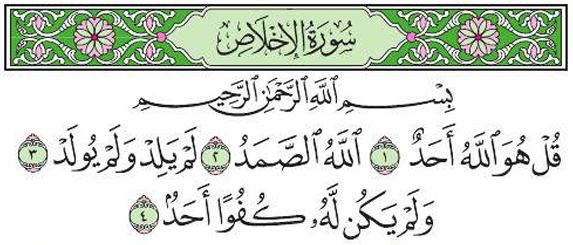
Surah Al-Ikhlas, also known as “The Chapter of Sincerity”, is one of the shortest chapters in the Qur’an, yet it carries immense spiritual significance. Despite consisting of only four verses, it is regarded as the foundation of monotheism (Tawheed) in Islam. Allah says:
“Say: He is Allah, [who is] One, Allah, the Eternal Refuge.”
(Surah Al-Ikhlas 112:1–2)
The Prophet Muhammad ﷺ emphasized the profound importance of Surah Ikhlas, stating:
“By Him in Whose Hand my soul is, it is equivalent to one-third of the Qur’an.”
(Sahih Al-Bukhari and Sahih Muslim)
This article explores the meaning, significance, and spiritual benefits of Surah Ikhlas, guiding believers in understanding and reciting it daily for maximum reward.
1. Meaning of Surah Ikhlas
Surah Ikhlas is focused entirely on the concept of Tawheed (Oneness of Allah). Let’s break down the verses:
- “Say: He is Allah, the One” – Allah is unique, incomparable, and has no partners.
- “Allah, the Eternal Refuge” – Allah is self-sufficient, independent, and the source of help for all creation.
- “He neither begets nor is born” – Allah has no children, and He was not born of anyone, emphasizing His absolute uniqueness.
- “Nor is there to Him any equivalent” – Nothing in creation resembles Allah; He is beyond all comparison.
Key Takeaways
- Surah Ikhlas affirms absolute monotheism
- Rejection of all forms of polytheism or anthropomorphism
- Strengthens faith and reliance on Allah alone
2. Virtues of Surah Ikhlas
The Prophet ﷺ emphasized numerous virtues of Surah Ikhlas:
- Reciting it equals one-third of the Qur’an in reward
- It protects the believer from shirk (associating partners with Allah)
- It is recommended to be recited in daily prayers, morning, and evening for blessings and protection
Allah says:
“Indeed, Allah does not wrong the people at all, but the people wrong themselves.”
(Surah Yunus 10:44)
Reciting Surah Ikhlas daily aligns the believer with pure monotheism and divine guidance.
3. Spiritual Benefits of Surah Ikhlas
a) Strengthening Faith (Iman)
Surah Ikhlas reinforces absolute belief in Allah, removing doubts and strengthening the heart. It emphasizes:
- Unity of Allah
- Eternal existence
- Independence from creation
Believers who recite it daily develop steadfast Iman, as the chapter reminds them that Allah alone is the source of guidance and help.
b) Forgiveness and Reward
The Prophet ﷺ said:
“Whoever recites Surah Ikhlas ten times, Allah will build for him a house in Paradise.”
(Sahih Muslim)
Daily recitation contributes to:
- Forgiveness of sins
- Accumulation of immense rewards
- Continuous spiritual upliftment
c) Protection from Evil
Surah Ikhlas, combined with Surah Al-Falaq and An-Naas, is part of Al-Mu’awwidhatayn, recommended for protection from harm.
- Guards against Satan’s whisperings
- Protects the home, family, and self from negative spiritual influence
- Strengthens spiritual resilience
d) Ease in Worship and Connection with Allah
Regular recitation in Salah or outside prayer enhances:
- Spiritual focus and humility
- Devotion and sincerity (Ikhlas) in worship
- Awareness of Allah’s omnipresence and mercy
The Prophet ﷺ said:
“Recite Al-Mu’awwidhatayn and Surah Al-Ikhlas before sleeping; they will suffice you.”
(Sahih Al-Bukhari)
4. Rewards Multiplying with Recitation
Reciting Surah Ikhlas daily brings multiplied rewards:
- One recitation = one-third of the Qur’an
- Reciting three times = protection and forgiveness
- Reciting ten times = a house in Paradise
This makes it a practical and highly rewarding chapter for believers seeking spiritual growth.
5. Recommended Times for Recitation
To maximize benefits, the Prophet ﷺ recommended specific times:
- During Salah: Especially in Sunnah and voluntary prayers
- Morning and Evening: To begin and end the day with remembrance of Allah
- Before Sleeping: For protection and peace
- During Hardship: To gain strength and patience
Daily recitation ensures continuous connection and divine protection.
6. Surah Ikhlas and Reflection (Tafakkur)
The Surah encourages believers to reflect on Allah’s attributes:
- Allah is One – no partners or equals
- Allah is Eternal – beyond birth or death
- Allah is Self-Sufficient – creation depends on Him
- Allah has no equivalent – incomparable and unique
Reflection strengthens spiritual mindfulness, sincerity, and humility.
7. Surah Ikhlas in Daily Prayers
- Recite in Salah for spiritual reward
- Helps maintain focus and presence of mind during prayer
- Aligns the worshipper with pure monotheism and Ikhlas (sincerity)
The Prophet ﷺ emphasized its frequent recitation in Fajr, Dhuhr, and other voluntary prayers.
8. Emotional and Mental Benefits
Surah Ikhlas nurtures:
- Calmness and emotional stability
- Assurance and trust in Allah during difficult times
- Relief from anxiety, worry, and despair
Daily engagement with the Surah fortifies the heart and mind.
9. Benefits of Reciting Surah Ikhlas Multiple Times
- Three times after Fajr or Maghrib: Brings protection
- Ten times daily: Grants Paradise (as per Hadith)
- During hardship: Reduces worry and anxiety
This makes Surah Ikhlas highly practical for believers seeking spiritual rewards and guidance.
10. Tafsir and Deeper Understanding
Verse 1: “Say: He is Allah, One”
- Allah’s Oneness is absolute; no partner or co-equal exists.
Verse 2: “Allah, the Eternal Refuge”
- Allah is self-sufficient, and all creation depends on Him.
Verse 3: “He neither begets nor is born”
- Allah is beyond human-like characteristics; no one precedes or succeeds Him.
Verse 4: “Nor is there to Him any equivalent”
- Nothing in existence resembles Allah; He is unique in all attributes.
Reflection on these meanings enhances faith and understanding.
11. Benefits for the Hereafter
Reciting Surah Ikhlas daily ensures spiritual preparation for the Day of Judgment:
- Acts as a witness for faith
- Provides protection in the grave
- Multiplies reward and brings proximity to Allah
The Prophet ﷺ emphasized its role in intercession and mercy on the Day of Resurrection.
12. Surah Ikhlas and Protection from Shirk
Shirk (associating partners with Allah) is the gravest sin in Islam. Surah Ikhlas:
- Clarifies Allah’s absolute uniqueness
- Removes doubts and misconceptions
- Fortifies the heart against influence of false beliefs
Daily recitation strengthens monotheistic faith in believers of all ages.
13. Surah Ikhlas for Families and Children
Teaching children and family members Surah Ikhlas daily:
- Instills foundation of Tawheed
- Encourages spiritual growth from a young age
- Provides protection and blessing in the household
It is recommended for morning and evening recitation in homes.
14. Surah Ikhlas as a Source of Barakah (Blessings)
- Brings spiritual barakah in time and work
- Protects from stress, harm, and negligence
- Enhances blessings in daily life, wealth, and health
Daily recitation ensures constant divine favor and guidance.
15. Practical Tips for Daily Recitation
- Begin with niyyah (intention) for Allah
- Recite slowly with Tajweed for correct pronunciation
- Reflect on the meaning to internalize faith
- Recite morning, evening, and during hardship
- Pair with supplication (dua) for protection and guidance
Even a few repetitions daily bring immense spiritual and worldly rewards.
16. Surah Ikhlas and Emotional Strength
Daily recitation develops:
- Patience and resilience in trials
- Trust in Allah’s plan
- Contentment and gratitude for blessings
It nurtures the heart and mind, encouraging believers to live ethically and spiritually aware.
17. Combining Surah Ikhlas with Other Surahs
For maximum spiritual impact, Surah Ikhlas can be combined with:
- Surah Al-Falaq & An-Naas: Protection and blessings
- Surah Yaseen: Spiritual ease and forgiveness
- Surah Al-Mulk: Protection from punishment and spiritual light
This combination enhances daily protection, guidance, and reward.
18. Summary of Surah Ikhlas Benefits
| Benefit | Explanation |
|---|---|
| Affirmation of Tawheed | Reinforces belief in Allah’s oneness |
| Spiritual Reward | Recitation equals one-third of Qur’an |
| Forgiveness of Sins | Erases minor sins and elevates rank |
| Protection from Shirk | Fortifies faith against false beliefs |
| Emotional Peace | Reduces stress and anxiety |
| Preparation for Afterlife | Provides intercession and divine mercy |
| Blessings (Barakah) | Increases blessing in life, work, and health |
| Daily Guidance | Encourages righteous behavior and ethical conduct |
| Strengthens Family Faith | Suitable for teaching children and family |
| Multiplication of Rewards | Each recitation brings immense reward |
Conclusion: Making Surah Ikhlas a Daily Practice
Surah Ikhlas is short, easy to memorize, and spiritually profound. Daily recitation provides:
- Faith and forgiveness
- Protection and barakah
- Peace, contentment, and guidance
- Preparation for the Hereafter
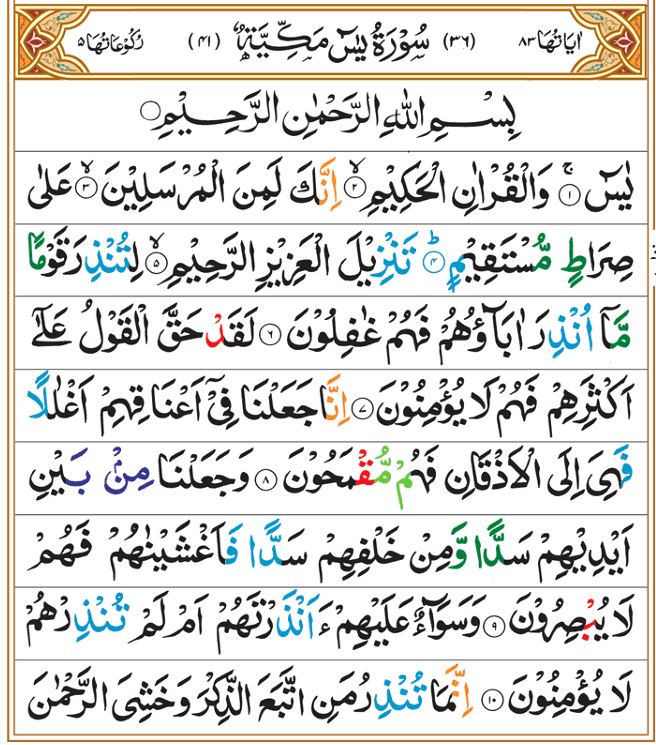
Surah Yaseen, often referred to as the “heart of the Qur’an”, is one of the most revered chapters in Islam. Allah says:
“By the wise Qur’an, indeed you, [O Muhammad], are among the messengers.”
(Surah Yaseen 36:2)
The Prophet Muhammad ﷺ highlighted its significance, saying:
“Indeed everything has a heart, and the heart of the Qur’an is Surah Yaseen. Whoever recites it, Allah writes for him ten good deeds for each letter and forgives his sins.”
(Sahih Ibn Hibban)
For believers, daily recitation of Surah Yaseen provides spiritual elevation, protection, and countless blessings. This article explores the comprehensive benefits of Surah Yaseen, based on authentic Quranic and Hadith references.
1. Surah Yaseen Brings Forgiveness of Sins
One of the greatest benefits of Surah Yaseen is its power to erase sins. Daily recitation is considered a means of seeking Allah’s mercy and forgiveness.
Allah says:
“And We send down of the Qur’an that which is healing and mercy for the believers.”
(Surah Al-Isra 17:82)
The Prophet ﷺ said:
“Whoever recites Surah Yaseen in the morning, it will suffice him for the day.”
(Al-Bayhaqi)
Even if a believer struggles with minor sins, regular recitation ensures that Allah’s forgiveness envelops them.
2. Relief from Hardships and Difficulties
Surah Yaseen is known to ease trials, distress, and life challenges. Reciting it daily helps believers remain patient and hopeful.
Allah says:
“So be patient. Indeed, the promise of Allah is true.”
(Surah Ar-Rum 30:60)
How Surah Yaseen Helps
- Reduces worry and anxiety
- Provides mental strength to face hardships
- Offers spiritual consolation during times of loss or difficulty
Prophet Muhammad ﷺ encouraged its recitation for relief from worldly burdens.
3. Surah Yaseen and Protection
Daily recitation is believed to offer protection from evil and harm.
- Spiritual protection from Shaytan
- Guarding against negative influences
- Providing inner peace
Allah reminds:
“And whoever turns away from My remembrance – indeed, he will have a depressed life.”
(Surah Ta-Ha 20:124)
Regular recitation keeps the heart focused on Allah, forming a spiritual shield.
4. Ease at the Time of Death
Surah Yaseen is highly recommended for those approaching the end of life.
The Prophet ﷺ said:
“Recite Surah Yaseen over the sick and dying, for it will ease their passage and grant forgiveness.”
(Sahih Al-Jami)
Benefits at the End of Life
- Smoothens the transition from this world
- Strengthens faith and hope in Allah
- Comforts family and loved ones with blessings
Surah Yaseen is often recited at home or in hospitals for those who are unwell.
5. Intercession on the Day of Judgment
Surah Yaseen serves as an intercessor for believers on the Day of Judgment.
The Prophet ﷺ said:
“Everything has a heart, and the heart of the Qur’an is Surah Yaseen. It will intercede for its reciter.”
(Sahih Ibn Hibban)
How Intercession Works
- Brings light and guidance in the grave
- Acts as a mediator for forgiveness
- Rewards consistent reciters with elevation in ranks
6. Spiritual Rewards Multiplied
Reciting Surah Yaseen daily carries immense spiritual rewards.
- Each letter recited brings ten rewards (Hadith: Tirmidhi)
- Sins are forgiven, and good deeds multiplied
- Encourages consistency in daily worship and dhikr
Allah says:
“Indeed, Allah does not wrong the people at all, but the people wrong themselves.”
(Surah Yunus 10:44)
Regular engagement with Surah Yaseen nurtures piety and righteousness.
7. Surah Yaseen and Ease in Daily Life
Reciting Surah Yaseen is believed to bring barakah (blessing) in daily activities.
- Facilitates decision-making with divine guidance
- Improves clarity and focus in work or study
- Protects the home and family from harm
Prophet ﷺ emphasized daily recitation for blessings and ease.
8. Healing for the Heart and Soul
The Qur’an, including Surah Yaseen, is a source of Shifa’ (healing). Allah says:
“And We send down of the Qur’an that which is healing and mercy for the believers.”
(Surah Al-Isra 17:82)
Emotional Healing
- Relieves depression, stress, and anxiety
- Strengthens hope and patience
- Encourages reflection on life, mortality, and divine mercy
Daily recitation nurtures mental and spiritual well-being.
9. Encouragement to Reflect on Death and the Hereafter
Surah Yaseen frequently reminds believers of life after death, resurrection, and accountability.
Allah says:
“Indeed the Hour is coming; there is no doubt about it.”
(Surah Yaseen 36:54)
How Reflection Benefits Daily Life
- Motivates righteous deeds
- Reduces attachment to worldly distractions
- Strengthens preparation for the Hereafter
Daily recitation fosters awareness of mortality and divine justice.
10. Interpersonal and Social Benefits
Reading Surah Yaseen daily encourages:
- Patience and compassion in interactions
- Ethical behavior in society
- Strengthening family bonds through shared recitation
The Prophet ﷺ highlighted collective recitation in gatherings to enhance spiritual harmony.
11. Surah Yaseen for Travel and Journeys
It is recommended to recite Surah Yaseen during travel for protection and ease.
- Safeguards from accidents
- Provides spiritual comfort during journeys
- Enhances focus and mindfulness
Daily recitation can extend travel benefits to regular life protection.
12. Recommended Times for Recitation
- Morning: To start the day with blessings
- Evening: To conclude the day with forgiveness
- During hardship: To seek ease and patience
- Before sleeping: To protect and receive nightly blessings
The Prophet ﷺ often recited Surah Yaseen at these times for maximum spiritual benefits.
13. Consistency and Daily Engagement
Even if recited once daily, Surah Yaseen brings continuous rewards.
Allah says:
“Indeed, those who have believed and done righteous deeds – We will surely admit them among the righteous.”
(Surah Al-Ankabut 29:9)
Beginners and advanced believers alike are encouraged to maintain regular recitation for lasting impact.
14. Combining Surah Yaseen with Other Surahs
For enhanced spiritual benefit, recite along with:
- Surah Al-Fatihah – Guidance and blessings
- Surah Al-Ikhlas – Strengthens Tawheed
- Surah Al-Falaq & An-Naas – Protection from evil
- Surah Al-Mulk – Protection from punishment
This combination provides comprehensive daily protection, guidance, and mercy.
15. Tips for Maximum Benefit
- Recite with Tajweed to honor Allah’s words
- Understand meanings to internalize guidance
- Reflect on lessons for personal growth
- Maintain sincerity (niyyah) for Allah’s pleasure
- Consistency is more important than quantity
16. Spiritual Impact on Life and Character
Daily recitation strengthens:
- Patience (Sabr)
- Gratitude (Shukr)
- Humility and reliance on Allah
- Ethical behavior in social and personal life
Prophet ﷺ said:
“Whoever recites Surah Yaseen, Allah grants him ease in all matters.”
(Sunan Ibn Majah)
17. Summary of Key Surah Yaseen Benefits
| Benefit | Explanation |
|---|---|
| Forgiveness of sins | Recitation erases minor sins |
| Relief from hardship | Brings ease in difficulties |
| Protection | Shield against evil and Shaytan |
| Ease at death | Comforts the dying and family |
| Intercession | Acts as mediator on Judgment Day |
| Spiritual reward | Multiplies good deeds and piety |
| Barakah | Blessings in daily life |
| Emotional healing | Reduces stress and anxiety |
| Reflection | Strengthens preparation for Hereafter |
| Social harmony | Encourages ethics and compassion |
| Travel protection | Provides safety during journeys |
| Consistency | Continuous spiritual growth |
| Character development | Improves morality and faith |
Conclusion: Surah Yaseen as Daily Spiritual Practice
Daily recitation of Surah Yaseen transforms faith, heart, and life. Its benefits include:
- Forgiveness and mercy
- Protection from harm
- Peace, patience, and spiritual healing
- Preparation for the Hereafter
For beginners and advanced believers, making Surah Yaseen a part of daily routine ensures continuous reward and divine blessings.
For structured recitation guides, translations, audio recitations, and Tafsir-based explanations, visit surahyaseen.net for authentic Islamic resources.
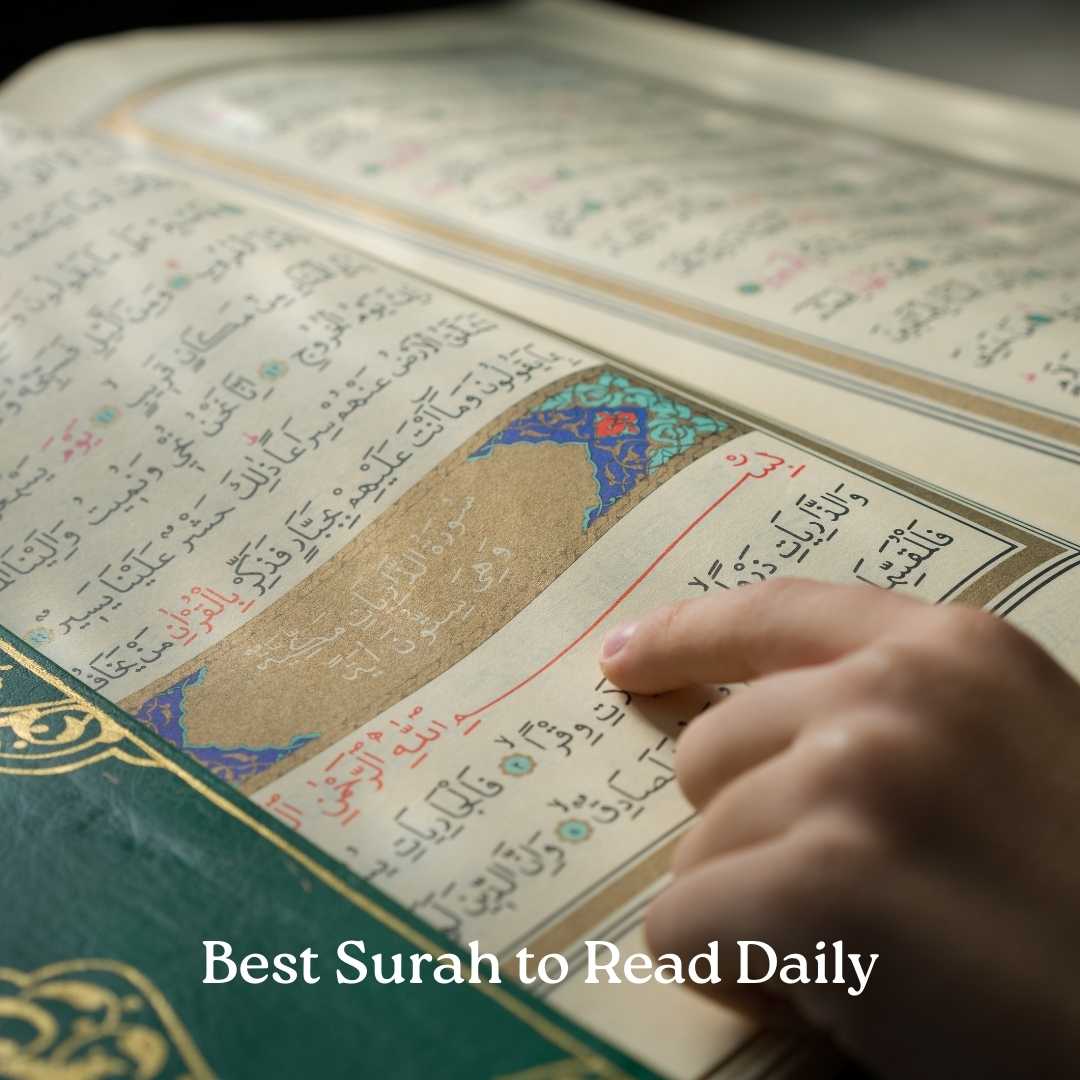
The Qur’an is not only a book of guidance; it is a source of light, mercy, and spiritual healing. Allah says:
“Indeed, this Qur’an guides to that which is most upright and gives good tidings to the believers who do righteous deeds.”
(Surah Al-Isra 17:9)
Reading the Qur’an daily strengthens faith (Iman), improves character, and brings peace to the heart. Among its 114 Surahs, certain chapters have special virtues for daily recitation. This article explains the best Surah to read daily according to Qur’anic guidance and authentic Islamic teachings.
Why Daily Recitation of the Qur’an Matters
Daily recitation is emphasized in Islam because it:
- Connects the believer with Allah
- Reminds of life’s purpose
- Protects from evil influences
- Provides guidance for moral and ethical living
Allah says:
“Recite what has been revealed to you of the Book and establish prayer.”
(Surah Al-Ankabut 29:45)
Even a few verses read sincerely every day carry immense spiritual reward.
Understanding the Concept of Surah in Islam
A Surah is a chapter of the Qur’an. Each Surah has its own theme, virtue, and lessons. Daily reading ensures:
- Spiritual growth
- Memory retention
- Guidance in daily decisions
The Prophet Muhammad ﷺ said:
“The best of you are those who learn the Qur’an and teach it.”
(Sahih Al-Bukhari)
Reading Surahs daily is part of living the Qur’an in practical life.
Surah Al-Fatihah: The Opening Chapter
Surah Al-Fatihah (The Opening) is called “the essence of the Qur’an”. It is recited in every unit of prayer (Salah).
Virtues of Al-Fatihah
- Known as “Umm Al-Kitab” (Mother of the Book)
- Offers guidance for righteous living
- Recitation brings mercy, blessings, and divine acceptance
Allah says:
“And We have certainly given you, [O Muhammad], seven of the often repeated [verses] and the great Qur’an.”
(Surah Al-Hijr 15:87)
Reading it daily aligns the believer with purpose and spiritual focus.
Surah Al-Ikhlas: Chapter of Purity of Faith
Surah Al-Ikhlas emphasizes the oneness of Allah.
Virtues of Al-Ikhlas
- Equivalent to one-third of the Qur’an in reward
- Strengthens Tawheed (monotheism)
- Protects the heart from shirk and doubt
Allah says:
“Say: He is Allah, the One; Allah, the Eternal Refuge…”
(Surah Al-Ikhlas 112:1–2)
Daily recitation reinforces faith and spiritual clarity.
Surah Al-Falaq and Surah An-Naas: The Chapters of Protection
These two short Surahs are known as Al-Mu’awwidhatayn (the chapters of seeking refuge).
Virtues of Al-Falaq and An-Naas
- Protect against evil eye, black magic, and whisperings of Shaytan
- Recommended for daily morning and evening recitation
- Strengthens spiritual security
Allah says:
“Say: I seek refuge in the Lord of the daybreak from the evil of what He created…”
(Surah Al-Falaq 113:1–2)
“Say: I seek refuge in the Lord of mankind, the Sovereign of mankind…”
(Surah An-Naas 114:1–2)
Surah Yaseen: The Heart of the Qur’an
Surah Yaseen holds special significance for spiritual benefits.
Virtues of Surah Yaseen
- Reciting Surah Yaseen brings ease in trials and blessings
- Recommended for daily morning recitation for barakah
- Often recited to ease hardship and prepare for the Hereafter
Allah says:
“By the wise Qur’an, indeed you, [O Muhammad], are from among the messengers.”
(Surah Yaseen 36:2)
Daily reading strengthens faith and reliance on Allah.
Surah Al-Mulk: Protection from Punishment
Surah Al-Mulk is known as the “protector from the grave’s torment”.
Virtues of Surah Al-Mulk
- Protects from hellfire and punishment
- Recommended before sleeping
- Provides guidance and reflection on life and death
The Prophet ﷺ said:
“There is a Surah in the Qur’an which contains thirty Ayat which kept interceding for a man until his sins are forgiven: Surah Al-Mulk.”
(Tirmidhi, Hadith Sahih)
Daily recitation helps believers remember mortality and Allah’s mercy.
Surah Ar-Rahman: Remembrance of Allah’s Blessings
Surah Ar-Rahman (The Most Merciful) emphasizes gratitude and recognition of Allah’s favors.
Virtues of Ar-Rahman
- Teaches balance between fear and hope
- Recitation cultivates gratitude and mindfulness
- Reinforces dependence on Allah’s mercy
Allah says repeatedly:
“Then which of the favors of your Lord will you deny?”
(Surah Ar-Rahman 55:13)
Daily recitation ensures the heart remains connected and thankful.
Surah Al-Kahf: Protection for Fridays
Although recited weekly, Surah Al-Kahf is beneficial for daily reading as well.
Virtues of Al-Kahf
- Protects from trials and Dajjal (the false messiah)
- Encourages reflection on life, patience, and trust in Allah
- Recommended especially on Fridays but daily recitation adds spiritual barakah
The Prophet ﷺ said:
“Whoever reads Surah Al-Kahf on Friday, a light will shine for him between the two Fridays.”
(Sahih Al-Jami)
Combining Surahs for Daily Recitation
Beginners and regular readers can benefit by creating a daily combination of short and long Surahs:
- Surah Al-Fatihah (daily in Salah)
- Surah Al-Ikhlas, Al-Falaq, An-Naas (morning & evening)
- Surah Yaseen (morning recitation)
- Surah Ar-Rahman (reflection at any time)
- Surah Al-Mulk (before sleep)
This practice covers protection, guidance, mercy, and spiritual growth.
How to Make Daily Recitation Consistent
Consistency is more important than quantity. Beginners should:
- Read short sections daily
- Focus on understanding meanings
- Avoid forcing long recitation if tired
- Set a fixed time for Qur’an reading
Allah says:
“Indeed, those who have believed and done righteous deeds – We will surely admit them among the righteous.”
(Surah Al-Ankabut 29:9)
Even a few verses daily build lifelong habit and reward.
Understanding Meanings While Reading
Recitation alone is valuable, but reflection and understanding amplify benefits.
- Read translation alongside Arabic
- Reflect on Allah’s messages
- Apply lessons in daily life
Allah says:
“Then do they not reflect upon the Qur’an? If it had been from [any] other than Allah, they would have found within it much contradiction.”
(Surah An-Nisa 4:82)
Benefits of Reading Surahs Daily
- Increases faith and Iman
- Protects from spiritual and worldly harm
- Brings inner peace and tranquility
- Prepares the believer for the Hereafter
- Brings Allah’s mercy and forgiveness
Tips for Beginners
- Start with short Surahs before moving to long ones
- Focus on pronunciation and Tajweed
- Read consistently, even a few verses
- Recite with intention (niyyah) for Allah
- Listen to Qur’an recitation by experts to improve fluency
Conclusion: Best Surah to Read Daily
While every Surah has virtues, the best Surahs for daily recitation include:
- Surah Al-Fatihah – Guidance and blessing
- Surah Al-Ikhlas – Strengthens Tawheed
- Surah Al-Falaq & An-Naas – Protection from harm
- Surah Yaseen – Spiritual ease and guidance
- Surah Al-Mulk – Protection from punishment
- Surah Ar-Rahman – Gratitude and reflection
- Surah Al-Kahf – Spiritual light and protection
Reading these Surahs daily keeps the heart connected to Allah, strengthens faith, and ensures spiritual growth.
-

 Blog2 years ago
Surah Muzammil
-

 Blog1 year ago
Surah Yaseen
-

 Blog2 years ago
Surah Nasr
-

 Blog2 years ago
Nazar Ki Dua
-

 Blog1 year ago
Nazar Ki Dua by Prophet ﷺ
-

 Blog2 years ago
Surah Yaseen: The Heart of the Quran and Its Blessings
-

 Blog2 years ago
Evil Eye Protection, Symptoms, Remedies & Removal?
-

 Dua1 year ago
Dua for Protection, Powerful Islamic Prayers for Daily Safety from Enemies and Evil