
Prayers
Importance of Daily Prayers in Islam

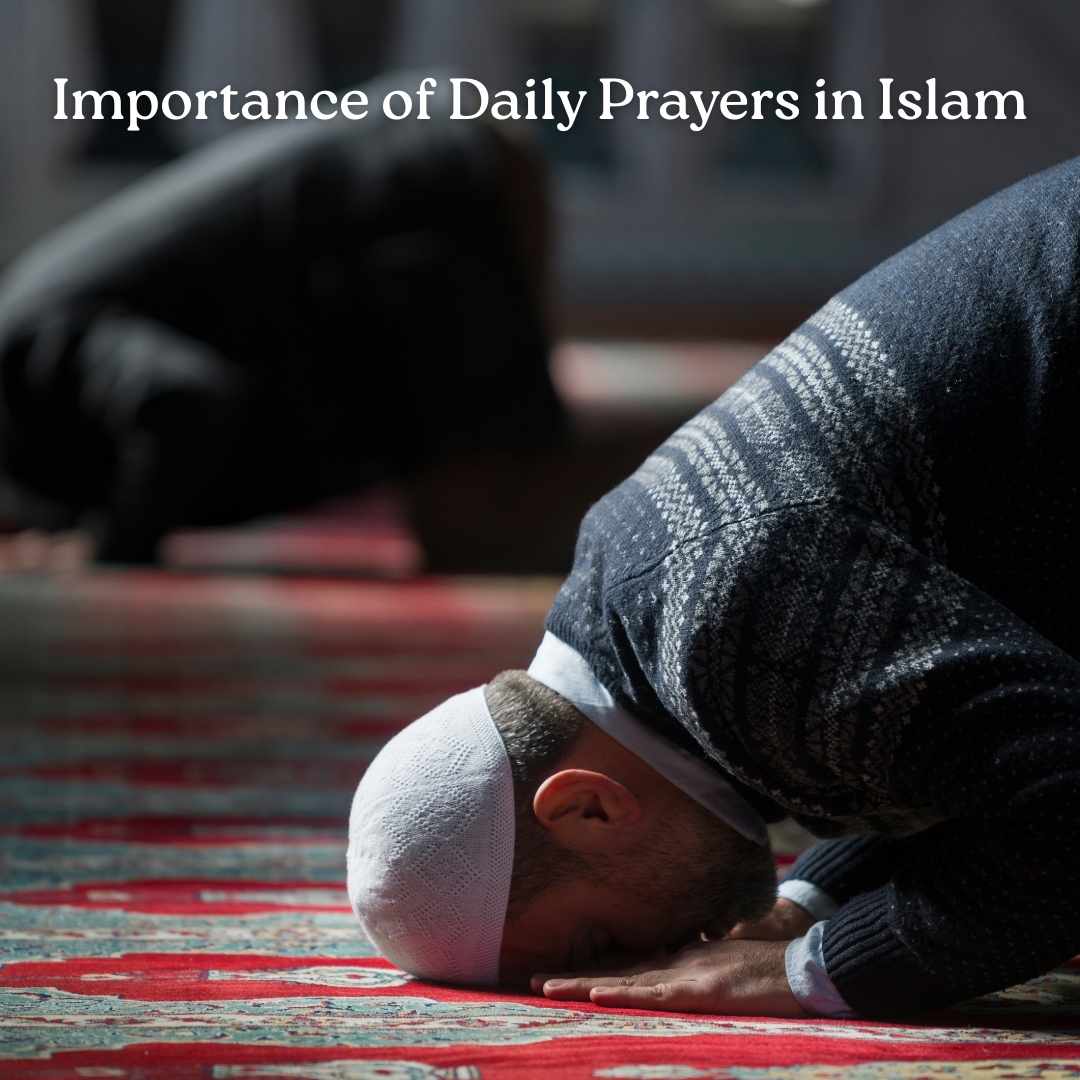
In Islam, daily prayers (Salah or Namaz) are the most fundamental form of worship and the cornerstone of a Muslim’s spiritual life. Performing prayers consistently is not just a ritual; it is a means to strengthen faith, seek forgiveness, and cultivate mindfulness.
Allah says:
“Indeed, prayer prohibits immorality and wrongdoing, and the remembrance of Allah is greater. And Allah knows that which you do.”
(Surah Al-Ankabut 29:45)
Daily prayers offer Muslims a structured way to connect with Allah, maintain discipline, and achieve inner peace. In this article, we will explore the importance of daily prayers, including spiritual, psychological, physical, social, and moral benefits, supported by Quranic verses and authentic Hadith.
1. Daily Prayers as a Pillar of Islam
Daily prayers are one of the five pillars of Islam, highlighting their significance in a Muslim’s life.
Prophet Muhammad ﷺ said:
“The first thing for which a person will be brought to account on the Day of Judgment is his prayer. If it is sound, then the rest of his deeds will be sound.”
(Sahih Muslim 233)
The five daily prayers — Fajr, Dhuhr, Asr, Maghrib, and Isha — serve as constant reminders of faith, helping Muslims maintain a strong spiritual connection with Allah throughout the day.
2. Spiritual Benefits of Daily Prayers
a) Strengthens Faith (Iman)
Regular prayers reinforce a Muslim’s belief in Allah, reminding them of His presence and guidance in daily life.
Allah says:
“Establish prayer at the two ends of the day and at the approach of the night. Indeed, good deeds erase bad deeds.”
(Surah Hud 11:114)
Through consistent prayer, a believer develops taqwa (God-consciousness) and a deep understanding of their responsibility to Allah.
b) Forgiveness of Sins
- Daily prayers provide continuous spiritual purification.
- Prophet ﷺ said:
“Whoever performs the five daily prayers with sincerity, his minor sins will be forgiven.”
(Sahih Muslim 233)
c) Intimacy with Allah
- Daily prayers allow for direct communication through Dua and Dhikr.
- Each Rak’ah (unit of prayer) is an opportunity to seek guidance, protection, and mercy.
Prophet ﷺ said:
“The closest a servant comes to his Lord is when he is prostrating; so increase supplications in it.”
(Sahih Muslim 482)
3. Psychological and Emotional Benefits
a) Reduces Stress and Anxiety
- Praying at set times offers a structured pause from daily worries.
- Concentration on Allah during prayer releases tension and promotes mental clarity.
b) Enhances Emotional Stability
- Repeating Quranic verses and Dhikr fosters positive emotions and reduces feelings of helplessness.
- Daily prayers encourage gratitude, patience, and hope.
c) Encourages Mindfulness
- Salah requires focus and concentration, teaching Muslims to live in the moment.
- Mindfulness during prayer improves decision-making and emotional regulation.
4. Physical Benefits of Daily Prayers
Daily prayers involve movements that enhance physical health:
a) Flexibility and Stretching
- Bowing (Ruku) and prostration (Sujood) stretch muscles, ligaments, and joints.
- This improves overall flexibility and mobility.
b) Muscle Strength and Posture
- Standing (Qiyam) and sitting (Jalsa) strengthen legs, core, and back.
- Sujood supports spinal health and posture.
c) Circulation and Stress Relief
- Repeated movements enhance blood flow, benefiting heart health.
- Mindful breathing during Salah reduces stress hormones like cortisol.
Scientific studies have shown that Salah can function as a light form of exercise and meditation, promoting holistic wellness.
5. Social and Moral Benefits
a) Builds Discipline
- Fixed prayer times instill routine and self-discipline.
- Muslims structure their day around prayers, enhancing time management.
b) Encourages Equality
- Congregational prayers (Jama’ah) unite people regardless of social or economic status.
- Standing shoulder-to-shoulder emphasizes equality before Allah.
c) Moral Development
- Awareness of Allah promotes ethical behavior.
- Daily prayers encourage honesty, humility, and charity.
Allah says:
“Establish prayer and give zakah, and whatever good you put forward for yourselves – you will find it with Allah.”
(Surah Al-Baqarah 2:110)
6. Benefits of Daily Prayers by Each Salah
a) Fajr (Dawn Prayer)
- Sets a spiritual tone for the day.
- Provides protection and guidance for daily activities.
- Prophet ﷺ said:
“Whoever prays Fajr is under the protection of Allah.”
b) Dhuhr (Noon Prayer)
- Acts as a break from work or daily tasks.
- Refocuses energy physically and spiritually.
c) Asr (Afternoon Prayer)
- Reduces fatigue and keeps one spiritually aware.
d) Maghrib (Sunset Prayer)
- Promotes reflection and gratitude at the day’s end.
- Encourages evening forgiveness and protection.
e) Isha (Night Prayer)
- Calms the mind before sleep.
- Provides an opportunity for nightly reflection and Dua.
7. Benefits of Congregational Prayers
- Reward multiplied:
Prophet ﷺ said:
“Prayer in congregation is twenty-seven times more rewarding than prayer performed individually.”
(Sahih Bukhari 645)
- Builds community bonds and encourages accountability.
- Reinforces discipline and unity among Muslims.
8. Daily Prayers and Character Development
- Strengthens self-control and moral integrity.
- Reduces arrogance, selfishness, and envy.
- Promotes compassion, charity, and social responsibility.
Prophet ﷺ said:
“A Muslim is the one from whose tongue and hand the people are safe.”
(Sahih Bukhari 10)
9. Spiritual Elevation Through Daily Prayers
- Provides forgiveness of sins and purification of the soul.
- Helps cultivate Taqwa (God-consciousness).
- Brings inner peace, contentment, and hope.
Allah says:
“Recite what has been revealed to you of the Book and establish prayer. Indeed, prayer prohibits immorality and wrongdoing.”
(Surah Al-Ankabut 29:45)
10. Daily Prayers as a Form of Physical Exercise
- Qiyam (standing) strengthens legs and back.
- Ruku (bowing) stretches spine and hamstrings.
- Sujood (prostration) improves flexibility and blood circulation.
- Jalsa (sitting) strengthens knees and core.
Five daily prayers provide consistent, light physical activity throughout the day.
11. Psychological and Mental Health Benefits
- Regular Salah reduces anxiety and depression.
- Encourages mindfulness and emotional stability.
- Provides structure and purpose, reducing feelings of emptiness or stress.
Prophet ﷺ said:
“Verily, in the remembrance of Allah do hearts find rest.”
(Surah Ar-Ra’d 13:28)
12. Benefits for Children and Youth
- Instills discipline and routine early in life.
- Encourages spiritual awareness and ethical behavior.
- Builds emotional resilience and gratitude.
Prophet ﷺ said:
“Teach your children Salah when they are seven years old, and discipline them for it at ten.”
(Abu Dawood 495)
13. Duas and Remembrance During Daily Prayers
- Tasbih and Dhikr enhance spiritual rewards.
- Recommended Tasbih:
- Subhanallah (Glory be to Allah)
- Alhamdulillah (All praise is due to Allah)
- Allahu Akbar (Allah is the Greatest)
Prophet ﷺ said:
“Whoever glorifies Allah after every prayer will have his sins forgiven, even if they are as much as the foam of the sea.”
(Sahih Muslim 597)
14. Common Mistakes to Avoid
- Rushing through prayers.
- Lack of focus or understanding.
- Skipping Sunnah and Nafl prayers.
- Neglecting the spiritual and reflective aspect of Salah.
Solution: Learn proper steps, recitation, and meanings.
15. Practical Tips to Maximize Benefits
- Perform all five daily prayers on time.
- Include Sunnah and Nafl prayers.
- Focus on intent and humility.
- Learn meanings of recited verses.
- Make Dua after each prayer.
16. Conclusion: Embrace Daily Prayers
Daily prayers are the foundation of a Muslim’s spiritual, moral, and physical well-being.
- Spiritual: Strengthens faith, forgiveness, and connection to Allah
- Psychological: Reduces stress, enhances mindfulness and emotional stability
- Physical: Improves flexibility, circulation, and overall fitness
- Social and Moral: Builds discipline, equality, and ethical character
Daily prayers are more than rituals; they are a path to holistic well-being, inner peace, and spiritual growth.
For authentic guidance on prayers, Duas, and Islamic teachings, visit 👉 surahyaseen.net.

Many people ask: “Is there a prayer to make someone fall in love with you?” or “What dua can I read so that a particular person starts loving me?”
When someone develops strong feelings for another person, it is natural to hope that those feelings will be returned. However, Islam teaches us to remember that matters of the heart, relationships, marriage, and our future are ultimately in the hands of Allah.
We believe that everything happens according to Allah’s knowledge and decree (Taqdeer). Love is also something that cannot simply be forced or controlled through spells, rituals, or supernatural practices.
Can You Make Someone Fall in Love With You Through Dua?
Dua is one of the greatest forms of worship in Islam. A person can ask Allah for anything that is good and permissible. However, dua should not be treated as a magical formula that forces another person’s heart to develop romantic feelings.
If you love someone, you can certainly ask Allah to make the relationship possible if that person is good for you and if it is beneficial for your worldly life and Hereafter.
Instead of asking Allah to remove another person’s free will, it is better to place the matter in His hands:
“O Allah, if this person is good for me, my faith, my life and my future, bring us together in a halal and blessed way. And if this person is not good for me, turn my heart away from what is harmful and grant me something better.”
This approach combines dua with Tawakkul — trusting Allah’s wisdom and decision.
Love Is Not Always Under Our Control
When people fall in love, their emotions can become extremely strong. They may constantly think about the other person, imagine a future together, and hope that the other person feels exactly the same way.
But this is where a person needs to remain careful.
You may love someone deeply, while that person may not have the same feelings. You cannot guarantee another person’s emotions simply because you love them.
Sometimes Allah brings two people together. Sometimes He separates them. Sometimes a relationship that a person desperately wants turns out not to be beneficial for them.
What we consider good for ourselves may not always be what Allah knows is best for us.
Be Careful With Love Spells and Rituals
When someone desperately wants another person to love them, they may search the internet for things such as:
- Love spells
- Attraction rituals
- Magic to make someone fall in love
- Wazifa to control someone’s heart
- Rituals involving photographs or personal belongings
- Occult practices
- Superstitious methods promising guaranteed love
A person should be extremely careful about such practices.
Islam does not teach us that we should manipulate another person’s feelings through magical rituals. Practices involving sihr (magic), occultism, or prohibited methods should not be confused with legitimate dua and worship.
There is an important difference between asking Allah for something and trying to find a supernatural technique that supposedly gives you control over another person’s heart.
What Should You Do If You Love Someone?
If you genuinely love someone and believe that marriage with them could be good for you, take a halal approach.
1. Make sincere dua
Ask Allah for what you want, but leave the final decision to Him.
You can say:
“Ya Allah, You know what is in my heart. If this person is good for me and my future, make this relationship possible through a halal and blessed path. If it is not good for me, give me patience and grant me something better.”
You do not need complicated words. Allah knows what is in your heart.
2. Perform Istikhara
If you are seriously considering marriage, Salat al-Istikhara is an important way of seeking Allah’s guidance.
Istikhara is not a method for forcing someone to love you. Rather, it is a way of asking Allah to guide you toward what is best.
3. Take halal practical steps
Dua does not mean that a person should simply sit and wait.
If marriage is genuinely your intention, approach the situation respectfully and appropriately. Depending on your circumstances and culture, this may involve speaking to the person honestly or involving trusted family members.
4. Respect the other person’s choice
This is extremely important.
If someone does not want a relationship with you, their decision should be respected.
Love cannot be healthy when it depends on controlling, manipulating, threatening, or emotionally pressuring another person.
5. Accept Allah’s decision
One of the hardest parts of love is accepting that the person we want may not be the person Allah has written for us.
But sometimes rejection protects us from something we cannot see.
A person may pray for someone for months or even years and later realize that Allah had something much better planned.
Allah Knows What We Do Not Know
Human beings see only a small part of their lives.
We may think:
“This person is perfect for me.”
But Allah knows their character, their future, the circumstances that may come later, and what effect that relationship could have on our faith and life.
Therefore, instead of making our dua conditional on getting exactly what we want, we can ask Allah to give us what is best.
This does not mean that you should stop hoping.
It means that you can hope while trusting Allah.
A Better Dua for Love and Marriage
If you have feelings for someone, you can make a simple dua such as:
“Ya Allah, if this person is خير (good) for me, bring us together in a halal, peaceful and blessed way. Put love, respect and understanding between us. If this person is not good for me, remove this attachment from my heart and bless me with what is better.”
You can also ask Allah to grant you a righteous spouse and a marriage filled with love, mercy, respect and tranquillity.
The goal should not simply be:
“Make this person love me.”
A better prayer is:
“Ya Allah, give me the person and relationship that is truly best for me.”
What If the Person Does Not Love You Back?
This can be painful.
You may feel rejected, confused, or emotionally attached. But another person’s lack of interest does not mean that you are worthless.
Do not allow heartbreak to push you toward forbidden or harmful practices.
Instead:
- Continue making dua.
- Maintain your prayers.
- Ask Allah for emotional strength.
- Avoid obsessive behavior.
- Respect the other person’s boundaries.
- Focus on your own growth.
- Trust Allah’s timing.
- Keep your intentions halal.
Sometimes the answer to a dua is not receiving the person you asked for. Sometimes the answer is being protected from something you did not understand.
Love, Taqdeer and Tawakkul
Muslims believe in Taqdeer, the divine decree of Allah. At the same time, Islam teaches people to make choices, take responsible actions, and seek what is halal.
Therefore, if you love someone, you can make dua, take appropriate steps toward marriage, and hope for a positive outcome.
But ultimately, you should leave the result to Allah.
Dua is not about controlling another person’s heart. It is about turning your heart toward Allah and asking Him for what is best.
If the relationship is written for you and is good for you, Allah can create a path toward it that you could never have imagined.
And if it is not written for you, trust that Allah knows something you do not.
Final Thoughts
There is no need to search for mysterious spells or rituals to make someone fall in love with you.
If you love someone, turn to Allah.
Ask Him sincerely.
Perform Istikhara when making serious decisions.
Take halal steps toward marriage.
Respect the other person’s choice.
And most importantly, trust Allah’s plan.
The most beautiful dua is not always “Ya Allah, give me this person.”
Sometimes it is:
“Ya Allah, if this person is good for me, bring us together. And if they are not good for me, give me the strength to let go and bless me with something better.”
Because true Tawakkul means wanting what you desire while trusting Allah more than you trust your own understanding of what is best.

War, conflict, and instability are among the greatest trials faced by humanity. During times of danger, fear, and uncertainty, believers turn to Allah for protection, guidance, and strength. In Islam, supplication (dua) is one of the most powerful acts of worship, especially during hardship. A sincere prayer for protection in war can provide spiritual comfort, divine protection, and inner peace to soldiers, civilians, and families affected by conflict.
The Quran and the teachings of Prophet Muhammad ﷺ contain numerous supplications that Muslims recited during fear, battles, and difficult situations. These prayers ask Allah for protection from enemies, safety from harm, courage in difficult moments, and peace for the believers.
This comprehensive guide explores authentic Islamic supplications, Quranic verses, and Hadith that relate to a prayer for protection in war, along with explanations and spiritual insights.
The Islamic Concept of Protection During War
In Islam, protection ultimately comes from Allah alone. While believers are encouraged to take practical steps for safety and defense, they are also instructed to rely on Allah through tawakkul (trust in Allah) and sincere dua.
Allah says in the Quran:
“And if Allah should aid you, no one can overcome you; but if He should forsake you, who is there that can aid you after Him? And upon Allah let the believers rely.”
(Quran 3:160)
This verse reminds believers that ultimate safety and victory come from Allah. Therefore, making a prayer for protection in war strengthens faith and reliance on divine protection.
Quranic Verses for Protection in War
The Quran contains several verses that believers recited during battles and times of fear. These verses remain powerful supplications for protection today.
1. Surah Al-Baqarah – Prayer for Patience and Victory
One of the most famous prayers recited during battle appears in the Quran when believers faced powerful enemies.
“Our Lord, pour upon us patience and plant firmly our feet and give us victory over the disbelieving people.”
(Quran 2:250)
This verse is a powerful prayer for protection in war because it asks Allah for three essential things:
- Patience during hardship
- Strength and stability in difficult moments
- Victory and protection against enemies
Muslims have historically recited this supplication during times of danger and conflict.
2. Surah Aal-e-Imran – Trust in Allah for Protection
Allah instructs believers to place their trust in Him during times of fear.
“Those to whom people said, ‘Indeed, the people have gathered against you, so fear them.’ But it increased them in faith, and they said: ‘Allah is sufficient for us, and He is the best disposer of affairs.’”
(Quran 3:173)
The phrase “HasbiyaAllahu wa ni‘mal wakeel” (Allah is sufficient for us and the best disposer of affairs) is often recited as a prayer for protection in war.
This powerful supplication expresses complete reliance on Allah when facing danger or powerful enemies.
3. Surah Al-Anfal – Divine Support in Battle
Surah Al-Anfal discusses the Battle of Badr and the support Allah granted to believers.
Allah says:
“When you asked help of your Lord, and He answered you: ‘Indeed, I will reinforce you with a thousand angels following one another.’”
(Quran 8:9)
This verse reminds believers that Allah’s help can come in unseen ways. Reciting it strengthens faith and confidence during difficult situations.
4. Surah At-Tawbah – Protection from Harm
Another important verse related to protection states:
“Say: Never will we be struck except by what Allah has decreed for us; He is our protector.”
(Quran 9:51)
This verse teaches believers that nothing happens without Allah’s will, and it serves as a strong prayer for protection in war because it strengthens trust in divine destiny.
Authentic Hadith About Prayers During Battle
The Prophet Muhammad ﷺ taught several supplications for protection during fear and battle. These duas remain among the most powerful prayers for Muslims facing danger.
1. Dua for Protection from Enemies
The Prophet ﷺ used to say:
“Allahumma inna naj‘aluka fi nuhoorihim wa na‘udhu bika min shuroorihim.”
Meaning:
“O Allah, we place You before them and seek refuge in You from their evil.”
Reference:
Sunan Abu Dawood (Hadith 1537)
This supplication is considered a powerful prayer for protection in war, asking Allah to shield believers from enemy harm.
2. The Prophet’s Prayer Before Battle
When the Prophet ﷺ faced enemies, he prayed:
“O Allah, Revealer of the Book, swift in account, defeat the confederates. O Allah, defeat them and shake them.”
Reference:
Sahih Bukhari (Hadith 2933)
Sahih Muslim (Hadith 1742)
This supplication was recited during difficult battles and reflects a strong plea for divine protection and victory.
3. Dua for Protection from Fear
The Prophet ﷺ taught a powerful prayer for protection during fear and danger.
“Allahumma astur ‘awrati wa amin raw‘ati.”
Meaning:
“O Allah, conceal my weaknesses and calm my fears.”
Reference:
Sunan Abu Dawood (Hadith 5074)
This is a beautiful prayer for protection in war, asking Allah to remove fear and grant safety.
4. Dua When Feeling Threatened
Another powerful supplication reported from the Prophet ﷺ is:
“Allahumma anta ‘adudi wa anta naseeri, bika ajoolu wa bika usooolu wa bika uqatil.”
Meaning:
“O Allah, You are my strength and You are my supporter. Through You I move, through You I attack, and through You I fight.”
Reference:
Sunan Abu Dawood (Hadith 2632)
This dua shows complete reliance on Allah for strength and protection during battle.
The Practice of Reciting Surahs for Protection
Islamic tradition also encourages reciting certain Quranic chapters for protection during danger and hardship.
Many scholars recommend reciting these surahs as part of a prayer for protection in war:
Surah Al-Fatiha
Known as the greatest chapter of the Quran and often recited for protection and healing.
Surah Al-Ikhlas
Affirms the oneness of Allah and strengthens faith.
Surah Al-Falaq
A powerful supplication seeking refuge from external harm.
Surah An-Nas
Seeks protection from evil whispers and unseen dangers.
The Prophet ﷺ regularly recited these chapters for protection.
Reference:
Sahih Bukhari (Hadith 5017)
Ayat-ul-Kursi for Protection
One of the most powerful verses of the Quran for protection is Ayat-ul-Kursi.
Allah says:
“Allah – there is no deity except Him, the Ever-Living, the Sustainer of existence…”
(Quran 2:255)
The Prophet ﷺ said:
“Whoever recites Ayat-ul-Kursi at night will have a protector from Allah and Satan will not approach him until morning.”
Reference:
Sahih Bukhari (Hadith 2311)
Many scholars recommend reciting Ayat-ul-Kursi as a prayer for protection in war and times of fear.
The Role of Faith and Patience During War
Islam teaches believers that trials are part of life. War and conflict test faith, patience, and character.
Allah says:
“And We will surely test you with something of fear and hunger and loss of wealth and lives and fruits, but give good tidings to the patient.”
(Quran 2:155)
Through patience, prayer, and trust in Allah, believers can remain spiritually strong even during severe trials.
How Muslims Can Seek Protection During War
Islam encourages both spiritual and practical steps for protection during dangerous situations.
These include:
- Making regular dua
- Reciting Quranic verses for protection
- Maintaining strong faith and patience
- Helping others in need
- Seeking peace and justice whenever possible
A sincere prayer for protection in war strengthens both faith and resilience.
Frequently Asked Questions
What is the best prayer for protection in war in Islam?
One of the most authentic prayers is:
“Allahumma inna naj‘aluka fi nuhoorihim wa na‘udhu bika min shuroorihim.”
This dua asks Allah to protect believers from enemies.
Reference: Sunan Abu Dawood.
Which Quran verse is best for protection?
Ayat-ul-Kursi (Quran 2:255) is considered one of the most powerful verses for protection from harm.
Did the Prophet Muhammad pray before battles?
Yes. The Prophet ﷺ frequently made dua before battles and relied on Allah for protection and victory.
Conclusion
War and conflict bring immense hardship and fear, but Islam teaches believers to seek protection through faith, prayer, and trust in Allah. The Quran and the teachings of Prophet Muhammad ﷺ provide powerful supplications that can be recited during times of danger.
A sincere prayer for protection in war strengthens the heart, removes fear, and reminds believers that ultimate safety comes from Allah alone. Through patience, faith, and constant remembrance of Allah, Muslims can face even the most difficult trials with courage and hope.
By reciting authentic Quranic verses and prophetic supplications, believers connect themselves to a timeless tradition of faith and reliance on divine protection. Even in the darkest moments of conflict, prayer remains a powerful source of strength, guidance, and peace.
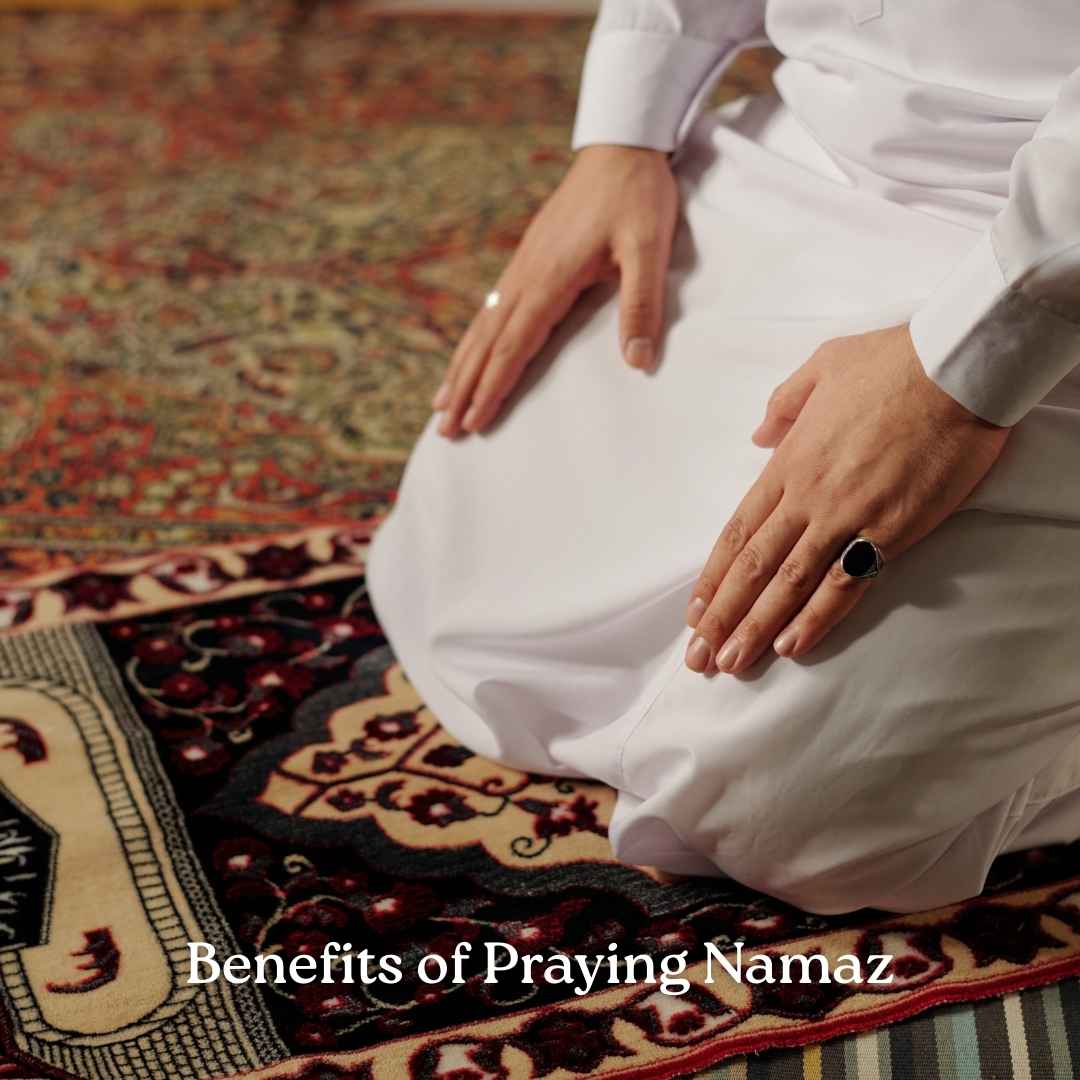
Namaz (Salah) is the cornerstone of Islamic worship and a fundamental pillar of faith. It is more than a ritual; it is a daily conversation with Allah, providing spiritual, mental, and physical benefits to those who practice it consistently.
Allah says:
“Establish prayer at the two ends of the day and at the approach of the night. Indeed, good deeds erase bad deeds.”
(Surah Hud 11:114)
Praying Namaz regularly helps Muslims maintain a strong connection with Allah, develop discipline, and achieve peace of mind. In this article, we will explore the spiritual, psychological, social, and physical benefits of Namaz, supported by Quranic verses and authentic Hadith.
1. Spiritual Benefits of Praying Namaz
a) Strengthens Faith and Iman
Namaz reinforces the believer’s faith (Iman) and reminds them of Allah’s constant presence.
Allah says:
“Indeed, prayer prohibits immorality and wrongdoing, and the remembrance of Allah is greater.”
(Surah Al-Ankabut 29:45)
Through consistent prayer, a Muslim maintains consciousness of Allah (Taqwa), strengthens their spiritual immunity against sin, and deepens their reliance on divine guidance.
b) Forgiveness of Sins
Performing Namaz with sincerity leads to forgiveness of past sins.
Prophet Muhammad ﷺ said:
“The five daily prayers and from one Friday prayer to the next serve as expiation for sins committed in between, as long as major sins are avoided.”
(Sahih Muslim 233)
This highlights that Namaz is a continuous purification process for the soul.
c) Connection with Allah
Namaz allows Muslims to communicate directly with Allah, making Dua and supplication more effective.
- Each Rak’ah is an opportunity to seek guidance, forgiveness, and mercy.
- The act of bowing, prostrating, and standing reflects humility and submission.
Prophet ﷺ said:
“The closest a servant comes to his Lord is when he is prostrating; so increase supplications in it.”
(Sahih Muslim 482)
2. Psychological and Emotional Benefits
a) Reduces Stress and Anxiety
- Namaz provides a structured pause from worldly concerns.
- Focusing on Allah during Salah helps release negative thoughts and promotes inner peace.
b) Improves Emotional Stability
- Regular prayer helps Muslims develop patience, gratitude, and emotional resilience.
- Reciting Quranic verses and Dhikr during Namaz reinforces positive thinking and hope.
c) Enhances Mindfulness
- Performing each step of Namaz attentively encourages presence in the moment.
- The mind learns to concentrate, making daily tasks more focused and productive.
3. Social and Moral Benefits
a) Encourages Discipline and Routine
- Observing five daily prayers at fixed times instills self-discipline.
- Muslims organize their day around Fajr, Dhuhr, Asr, Maghrib, and Isha, promoting time management.
b) Promotes Equality and Brotherhood
- Congregational prayers (Salah in Jama’ah) unite people of all social, economic, and ethnic backgrounds.
- Standing shoulder-to-shoulder in the mosque emphasizes equality before Allah.
c) Encourages Moral Behavior
- Regular prayer prevents immoral conduct.
- Awareness of Allah in daily life encourages honesty, humility, and ethical behavior.
Allah says:
“Establish prayer and give zakah, and whatever good you put forward for yourselves – you will find it with Allah.”
(Surah Al-Baqarah 2:110)
4. Physical Benefits of Praying Namaz
Namaz is not only spiritual but also physically beneficial due to its structured movements:
a) Improves Flexibility and Circulation
- Bowing (Ruku) and prostration (Sujood) stretch muscles, ligaments, and joints, improving flexibility.
- The repeated movement enhances blood circulation and heart health.
b) Strengthens Muscles and Joints
- Standing (Qiyam) and sitting (Jalsa) strengthen leg muscles and core stability.
- Sujood helps maintain spinal health and posture.
c) Reduces Stress Hormones
- Controlled breathing and focus during Salah reduce cortisol levels, promoting relaxation.
- The meditative aspect of prayer enhances mental clarity.
Studies have shown that regular prayer has similar benefits to light physical exercise and meditation.
5. Types of Benefits in Detail
a) Immediate Benefits
- Sense of peace and clarity after each Salah
- Relief from stress and anxiety
- Reconnection with spirituality
b) Long-term Benefits
- Continuous forgiveness of sins
- Strengthened moral character
- Improved emotional resilience
- Health benefits from regular physical movements
6. Benefits of Congregational Namaz (Salah in Jama’ah)
Praying in congregation multiplies spiritual reward and social benefits:
- Prophet ﷺ said:
“Prayer in congregation is twenty-seven times more rewarding than prayer performed individually.”
(Sahih Bukhari 645)
a) Builds Community Bonds
- Encourages interaction, empathy, and support within the Muslim community.
- Promotes a sense of belonging and responsibility.
b) Encourages Accountability
- Regular mosque attendance fosters discipline and commitment to faith.
7. Benefits of Namaz in Different Times
a) Fajr (Dawn Prayer)
- Sets a spiritual tone for the day
- Offers protection and guidance for the day ahead
- Sunnah of Prophet ﷺ emphasizes:
“Whoever prays Fajr is under the protection of Allah.”
b) Dhuhr (Noon Prayer)
- Break from worldly distractions
- Recharges energy physically and spiritually
c) Asr (Afternoon Prayer)
- Reduces afternoon fatigue
- Brings focus back to spiritual mindfulness
d) Maghrib (Sunset Prayer)
- Marks transition from day to night, fostering reflection and gratitude
- Sunnah emphasizes seeking forgiveness
e) Isha (Night Prayer)
- Promotes calmness and prepares for restful sleep
- Opportunity for nightly reflection and Dua
8. Emotional and Mental Health Benefits
- Reduces Depression: Concentration on Allah provides hope
- Enhances Patience: Regular prayer teaches self-restraint
- Builds Gratitude: Dhikr and Tasbih instill contentment
- Fosters Emotional Regulation: Mindful movements reduce stress reactions
Prophet ﷺ said:
“Verily, in the remembrance of Allah do hearts find rest.”
(Surah Ar-Ra’d 13:28)
9. Namaz and Character Development
Praying Namaz regularly helps in building moral and ethical character:
- Encourages honesty and integrity
- Promotes humility and empathy
- Reduces envy, arrogance, and selfishness
- Encourages charitable behavior and social responsibility
10. Spiritual Elevation Through Namaz
- Provides forgiveness of sins and purification of the soul
- Helps develop Taqwa (God-consciousness)
- Strengthens connection to Allah during trials and difficulties
Allah says:
“Recite what has been revealed to you of the Book and establish prayer. Indeed, prayer prohibits immorality and wrongdoing.”
(Surah Al-Ankabut 29:45)
11. Physical Movements of Namaz as a Form of Exercise
- Qiyam (Standing): Improves posture and leg strength
- Ruku (Bowing): Stretches the back and spine
- Sujood (Prostration): Enhances flexibility, blood circulation
- Jalsa (Sitting): Strengthens knees and stabilizes core
- These movements contribute to overall fitness and wellness, especially when performed five times daily.
12. Psychological Benefits Supported by Science
- Regular Salah aligns with meditation practices, reducing stress and anxiety
- Helps regulate heart rate, breathing, and mental focus
- Encourages mindfulness and emotional control
13. Benefits of Praying Namaz for Children and Youth
- Instills discipline from a young age
- Encourages ethical behavior and respect
- Helps children develop spiritual awareness and mindfulness
Prophet ﷺ said:
“Teach your children Salah when they are seven years old, and discipline them for it at ten.”
(Abu Dawood 495)
14. Duas and Remembrance During Namaz
- Reciting Tasbih and Dhikr during Salah multiplies rewards
- Sample Tasbih:
- Subhanallah (Glory be to Allah)
- Alhamdulillah (All praise is due to Allah)
- Allahu Akbar (Allah is the Greatest)
Prophet ﷺ said:
“Whoever prays the prescribed prayers and then recites Tasbih, Allah will forgive their sins even if they are numerous like the foam of the sea.”
(Sahih Muslim 597)
15. Social Benefits of Regular Salah
- Strengthens family bonds through praying together
- Promotes community cohesion and support
- Encourages charity and social responsibility
16. Common Mistakes to Avoid While Praying
- Rushing through Salah
- Neglecting concentration (Khushu)
- Forgetting Sunnah and Nafl prayers
- Praying without understanding meanings
Solution: Learn proper steps, recitation, and meanings.
17. Practical Tips to Maximize Benefits
- Perform all five prayers on time
- Include Sunnah and Nafl prayers for added reward
- Focus on intent, humility, and concentration
- Learn meanings of Quranic verses recited in Salah
- Make Dua after Namaz for spiritual connection
18. Conclusion: Embrace the Full Benefits of Namaz
Praying Namaz is not just an obligation; it is a source of spiritual elevation, mental peace, physical health, and social harmony.
- Spiritual: Strengthens Iman, forgiveness of sins, closeness to Allah
- Psychological: Reduces stress, promotes mindfulness, emotional resilience
- Physical: Enhances flexibility, circulation, muscle strength
- Social: Builds discipline, unity, and moral behavior
Regular practice of Namaz, combined with Dua, Dhikr, and moral actions, ensures a holistic approach to a balanced and fulfilling life.
For more guidance on prayers, Duas, and Islamic teachings, visit 👉 surahyaseen.net.
-

 Blog2 years ago
Surah Muzammil
-

 Blog1 year ago
Nazar Ki Dua by Prophet ﷺ
-

 Blog8 months ago
Who Is Prophet Muhammad ﷺ?
-

 Blog1 year ago
Surah Yaseen
-

 Blog2 years ago
Surah Nasr
-

 Blog2 years ago
Nazar Ki Dua
-

 Blog2 years ago
Evil Eye Protection, Symptoms, Remedies & Removal?
-

 Blog2 years ago
Surah Yaseen: The Heart of the Quran and Its Blessings