
Quran
Quran Learning Online: Guide for Beginners and Advanced Learners


The Quran is the eternal word of Allah, revealed to the Prophet Muhammad ﷺ as guidance for humanity. Allah says:
“This is the Book about which there is no doubt, a guidance for those conscious of Allah.”
(Surah Al-Baqarah 2:2)
Learning the Quran is a fundamental aspect of Islam. It strengthens faith, spiritual connection, and daily practice. With technological advancement, Quran learning online has become accessible for people worldwide, offering flexibility, guidance, and authentic instruction.
This article explores the benefits, methods, resources, and tips for Quran learning online, making it easier for Muslims of all ages to connect with Allah’s word.
1. Benefits of Quran Learning Online
Learning the Quran online provides numerous spiritual, practical, and educational advantages:
a) Flexibility and Convenience
- Study from home without commuting
- Flexible timings to suit schedules
- Access lessons globally, from anywhere in the world
b) Access to Qualified Teachers
- Online platforms connect students with certified Quran teachers (Alim, Hafiz, or Qari)
- Personalized guidance on Tajweed, Tafsir, and recitation
c) Interactive Learning Tools
- Audio and video recitations
- Tajweed correction with real-time feedback
- Digital resources like flashcards, worksheets, and quizzes
d) Cost-Effective
- Many online platforms are more affordable than traditional in-person classes
- Free resources are available for beginners and advanced learners
2. Key Components of Quran Learning
Effective Quran learning involves several components to ensure accurate understanding and proper recitation:
a) Tajweed (Correct Pronunciation)
Tajweed ensures correct pronunciation and articulation of Arabic letters. The Prophet ﷺ said:
“The best among you are those who learn the Quran and teach it.”
(Sahih Al-Bukhari 5027)
b) Memorization (Hifz)
- Memorizing the Quran is a highly rewarding act in Islam
- Online courses provide structured memorization plans with audio guidance
c) Tafsir (Quranic Explanation)
Understanding the meanings, context, and lessons from the Quran is essential. Allah says:
“And We have not sent down to you the Book except that you may make clear to them that wherein they differ.”
(Surah An-Nahl 16:64)
d) Recitation Skills
- Correct rhythm, pauses, and pronunciation
- Helps in performing Salah accurately
- Enhances spiritual experience during recitation
3. Choosing the Right Online Quran Learning Platform
Not all online courses are equal. When selecting a platform, consider the following:
a) Teacher Qualification
- Ensure the teacher is certified and experienced in Tajweed and Tafsir
- Prefer teachers with Ijazah (certification to teach the Quran)
b) Course Structure
- Look for structured programs: beginner → intermediate → advanced
- Include memorization, recitation, and Tafsir
c) Flexibility and Scheduling
- Personalized lessons for individual pace
- Group classes or one-on-one sessions
d) Technology and Tools
- Platforms should include video conferencing, recorded sessions, and interactive learning tools
- Mobile-friendly for on-the-go learning
4. Benefits of Learning Quran Online for Beginners
a) Convenience
- No need to travel to mosques or institutions
- Access from any country and time zone
b) Personal Attention
- One-on-one sessions allow teachers to correct mistakes instantly
- Personalized guidance ensures accuracy in Tajweed and memorization
c) Learning at Own Pace
- Beginners can start with simple verses, gradually advancing to longer Surahs
- Repeat lessons as needed for mastery
5. Advanced Benefits for Experienced Learners
- Tafsir studies to understand historical and linguistic context
- Memorization of longer chapters (Juz)
- Preparation for teaching others or leading Taraweeh prayers
6. Spiritual Benefits of Learning Quran Online
Learning the Quran online is not only educational but deeply spiritual. Benefits include:
- Strengthening Iman (faith)
- Improving daily Salah and worship
- Increased understanding of Allah’s commands
- Peace, contentment, and mental clarity
Allah says:
“Indeed, this Qur’an guides to that which is most suitable and gives good tidings to the believers who do righteous deeds.”
(Surah Al-Isra 17:9)
7. Effective Strategies for Quran Learning Online
a) Daily Routine
- Set consistent daily timings for study
- Divide sessions into recitation, memorization, and Tafsir
b) Record and Review
- Record recitation to self-evaluate and improve
- Review memorized portions regularly
c) Use Multiple Resources
- Combine live lessons with apps, audio recitations, and digital Tafsir
- Practice with flashcards for Arabic letters and words
d) Seek Guidance
- Ask teachers for clarifications on pronunciation and meanings
- Join online Quran communities for motivation and accountability
8. Common Challenges and Solutions
a) Maintaining Consistency
- Solution: Set small, achievable daily goals
b) Understanding Tajweed Rules
- Solution: Watch tutorial videos and practice with teachers’ guidance
c) Memorization Difficulties
- Solution: Repeat small portions, listen to recitation daily, and use audio tools
d) Technology Issues
- Solution: Choose platforms with offline access and mobile apps
9. Recommended Tools for Quran Learning Online
- Quran Explorer – Online recitation with translation
- Tajweed Quran apps – Interactive practice for correct pronunciation
- Zoom/Skype Classes – Real-time teacher-student sessions
- Surah and Juz Worksheets – Tracking memorization progress
- Digital Tafsir – Understanding the deeper meanings
10. Learning Quran Online for Kids
- Interactive lessons with storytelling and visuals
- Gamified Tajweed and memorization tools
- Short daily sessions to keep engagement high
- Builds foundation for lifelong Quranic knowledge
11. Learning Quran Online for Adults
- Flexible schedules for work and family commitments
- Courses with focus on recitation, memorization, and Tafsir
- Online communities for discussion, questions, and motivation
12. Role of Parents and Guardians
- Encourage children to attend online classes consistently
- Review recitation and memorization daily
- Praise progress to instill confidence and motivation
13. How Online Quran Learning Enhances Daily Worship
- Improved Salah recitation
- Deep understanding of daily du’as and Quranic verses
- Confidence in performing Taraweeh and Quran competitions
14. Combining Online Learning with Offline Practice
- Practice recitation with family or mosque peers
- Attend periodic offline classes or workshops for guidance
- Balance online resources with real-world application
15. Choosing Between Self-Study and Teacher-Led Learning
- Self-study: Flexible, uses apps, videos, and digital resources
- Teacher-led: Personalized guidance, correction, and motivation
- Best approach: Combination of both, depending on skill level
16. Ensuring Authenticity in Online Quran Learning
- Verify teacher qualifications
- Use platforms approved by recognized Islamic institutions
- Avoid unverified sources or apps lacking Tajweed certification
17. Long-Term Benefits of Learning Quran Online
- Lifelong spiritual growth
- Ability to teach Quran to others
- Strengthened Iman and adherence to Allah’s guidance
- Enhanced understanding of Islamic law and ethics
18. Tips for Memorizing Quran Online
- Break chapters into small, manageable parts
- Recite multiple times daily
- Use audio repetition to reinforce memory
- Review memorized portions weekly
- Pair recitation with understanding meanings (Tafsir)
19. Spiritual Rewards from Learning Quran
Allah says:
“Indeed, those who recite the Book of Allah and act upon it will be guided.”
(Surah Al-An’am 6:155)
Benefits include:
- Forgiveness of sins
- Increased divine blessings
- Peace and mental clarity
- Intercession on the Day of Judgment
20. Summary: Why Quran Learning Online is Essential
| Feature | Benefit |
|---|---|
| Flexibility | Learn from anywhere, anytime |
| Qualified Teachers | Authentic Tajweed and Tafsir |
| Interactive Tools | Engage with audio, video, and quizzes |
| Spiritual Growth | Strengthens faith and daily worship |
| Memorization | Structured programs with guidance |
| Affordable | Cost-effective and accessible |
| Consistency | Small daily sessions ensure progress |
| Family Engagement | Children and adults benefit alike |
Online Quran learning ensures spiritual, educational, and practical benefits, making it a modern solution for Muslims seeking to connect deeply with the Quran.
Conclusion
Quran learning online is a revolutionary approach to acquiring knowledge, improving recitation, and strengthening faith. With qualified teachers, digital tools, and interactive lessons, it provides convenience, spiritual growth, and authentic guidance.
For structured online learning, live classes, memorization guidance, and Tajweed courses, visit 👉 surahyaseen.net for authentic Islamic resources and expert teachers.




The Quran is the final revelation from Allah, revealed to the Prophet Muhammad ﷺ as guidance for all of humanity. Allah says:
“Indeed, this Qur’an guides to that which is most suitable and gives good tidings to the believers who do righteous deeds.”
(Surah Al-Isra 17:9)
Learning the Quran is a lifelong spiritual journey. Many new Muslims, children, and even adults often ask: “How long does it take to learn the Quran?” The answer varies based on factors like learning pace, method, age, and consistency.
This article explores how long it typically takes to learn Quran, factors that affect learning speed, tips to maximize progress, and benefits of memorization and recitation.
1. Understanding What “Learning the Quran” Means
Before estimating time, it’s essential to define what learning the Quran entails:
- Learning to Read Quran (Tajweed)
- Correct pronunciation of Arabic letters
- Learning rules like Qalqalah, Madd, and Noon Sakinah
- Memorization (Hifz)
- Memorizing small chapters (Surahs) or the entire Quran (30 Juz)
- Understanding the Meaning (Tafsir)
- Learning translations, explanations, and context
- Applying Quran in Daily Life
- Implementing ethical guidance and worship practices
Allah says:
“And We have certainly made the Quran easy for remembrance, so is there any who will remember?”
(Surah Al-Qamar 54:17)
Learning involves reading, memorizing, understanding, and practicing the Quran.
2. Factors Affecting How Long It Takes to Learn Quran
The time needed depends on several factors:
a) Age of the Learner
- Children often take longer to memorize due to attention span
- Adults can progress faster with focused effort and discipline
b) Learning Method
- One-on-one classes with a teacher accelerate learning
- Group classes can be slower but still effective
- Online learning offers flexibility but requires self-discipline
c) Consistency
- Daily practice of 30–60 minutes is more effective than irregular sessions
- Regular revision ensures memorization retention
d) Learning Goal
- Learning to read Quran with Tajweed vs. memorizing the entire Quran
- Beginners may focus on short Surahs before attempting full memorization
3. Average Time to Learn Quran for Beginners
a) Learning to Read Quran with Tajweed
For someone starting from scratch:
- Basic Arabic letters and pronunciation: 1–3 months
- Short Surahs with proper Tajweed: 3–6 months
- Fluent reading of the whole Quran (without memorization): 6–12 months
The Prophet ﷺ said:
“The best among you are those who learn the Quran and teach it.”
(Sahih Al-Bukhari)
b) Memorizing Short Surahs (1–10 Ayahs)
- Typically 1–3 weeks per Surah, depending on practice
- Daily repetition of 5–10 minutes can suffice for short Surahs
4. Average Time to Memorize the Entire Quran
Memorizing the entire Quran (30 Juz) requires dedication:
- Full-time memorization programs (5–8 hours daily): 2–3 years
- Part-time memorization (1–2 hours daily): 5–7 years
- For adults with moderate time commitment: 7–10 years
Prophet Muhammad ﷺ said:
“The one who memorizes the Quran and acts upon it will be in the company of the noble and righteous angels.”
(Sahih Muslim 804)
Consistency, review, and Tajweed correction are critical for long-term retention.
5. How Fast Can Children Memorize the Quran?
- Children aged 5–12 years can memorize 1–2 pages daily with guidance
- Structured programs at Quran schools (Madrasa) or online platforms help
- Review and repetition ensure retention and proper Tajweed
Example Schedule for Children
| Age | Daily Memorization | Expected Time to Complete Quran |
|---|---|---|
| 5–7 | 1–2 lines | 7–10 years |
| 8–10 | 1 page | 5–7 years |
| 11–12 | 2–3 pages | 3–5 years |
6. Benefits of Learning Quran Quickly vs Slowly
Quick Learning
- Motivates beginners
- Encourages daily practice
- May risk memorization mistakes if not careful
Slow Learning
- Ensures accuracy and proper Tajweed
- Better long-term retention
- Reduces stress and builds spiritual connection
Allah says:
“And recite the Quran with measured recitation.”
(Surah Al-Muzzammil 73:4)
7. Tips to Reduce Time While Learning Quran
- Set clear goals: Start with small Surahs, gradually increase
- Daily practice: 30–60 minutes consistently
- Learn with a qualified teacher: One-on-one guidance ensures correct Tajweed
- Use technology: Online Quran apps, audio, and video recitations
- Revise regularly: Revision prevents forgetting memorized portions
- Combine reading and understanding: Reading with translation improves retention
8. Role of Tajweed in Learning Quran
Tajweed is essential for correct recitation:
- Incorrect pronunciation can change meanings
- Learning Tajweed early reduces mistakes during memorization
- Helps in daily prayers, recitation, and Taraweeh
Prophet Muhammad ﷺ said:
“He who does not recite the Quran properly is not from us.”
(Sahih Muslim)
9. How Online Quran Learning Helps
Online learning provides:
- Flexible schedule for learners worldwide
- Qualified teachers for Tajweed, Hifz, and Tafsir
- Recorded sessions for review
- Interactive lessons for children and adults
Advantages
- Access from home, school, or workplace
- Personalized learning pace
- Digital tools for memorization and review
10. Common Mistakes That Delay Learning
- Skipping daily practice – consistency is key
- Neglecting Tajweed rules – causes errors later
- Memorizing without understanding – reduces retention
- Lack of revision – leads to forgetting
- Learning too fast without guidance – may lead to mistakes
11. Understanding the Meaning Alongside Memorization
- Learning Tafsir while memorizing improves spiritual and intellectual connection
- Understanding context and meaning enhances devotion and reflection
- Allah says:
“Then do they not reflect upon the Quran, or are there locks upon their hearts?”
(Surah Muhammad 47:24)
12. Spiritual Benefits of Learning Quran
- Strengthens faith (Iman)
- Brings inner peace and tranquility
- Increases reward in the Hereafter
- Guides in daily decisions and ethical conduct
The Prophet ﷺ said:
“The Quran is an intercessor, something given permission to intercede, and it is rightfully believed in.”
(Sahih Muslim)
13. Psychological Benefits of Learning Quran
- Reduces stress and anxiety
- Enhances focus and discipline
- Provides a sense of purpose and accomplishment
- Strengthens memory and cognitive skills
14. Recommended Daily Schedule for Quran Learning
Beginners (Reading & Tajweed)
- 15–20 minutes: Arabic letters & pronunciation
- 20–30 minutes: Short Surahs practice
- 10 minutes: Review previous lessons
Intermediate (Memorization)
- 30 minutes: Recite previously memorized sections
- 30–45 minutes: Memorize new portion
- 10–15 minutes: Tajweed correction
Advanced (Full Quran Memorization)
- 1–2 hours: Revision of Juz memorized
- 1 hour: New memorization
- 30 minutes: Tafsir understanding
15. Motivation and Consistency
- Set realistic goals: small portions daily
- Reward progress to maintain motivation
- Join online Quran study groups for accountability
- Seek guidance from a teacher for encouragement
16. How Long to Learn Quran Depends on the Goal
| Goal | Average Time |
|---|---|
| Learning to read Quran with Tajweed | 6–12 months |
| Memorizing 1–5 Juz | 6 months – 2 years |
| Memorizing full Quran (30 Juz) | 2–7 years |
| Children’s learning | 5–10 years depending on age |
17. FAQs About Learning Quran
Q1: Can adults memorize Quran?
Yes. Many adults memorize Quran; consistent daily practice and Tajweed guidance are key.
Q2: How to maintain memorization?
Regular revision, recitation in Salah, and teaching others help retention.
Q3: Can online Quran learning replace a mosque teacher?
Yes, with qualified online teachers, video feedback, and interactive tools.
Q4: What is the best time for Quran memorization?
Early morning (after Fajr) is ideal; calm and fresh mind enhances retention.
18. Conclusion: Time is Secondary to Consistency and Sincerity
Learning the Quran is not a race. Time varies depending on age, method, consistency, and goal, but the ultimate focus should be:
- Accuracy (Tajweed)
- Understanding (Tafsir)
- Consistency and daily practice
- Sincerity for Allah’s pleasure
Allah says:
“So recite what is easy [for you] of the Qur’an.”
(Surah Al-Muzzammil 73:20)
Whether it takes months or years, the spiritual reward is immense. Start today, remain consistent, and Allah will guide your journey.

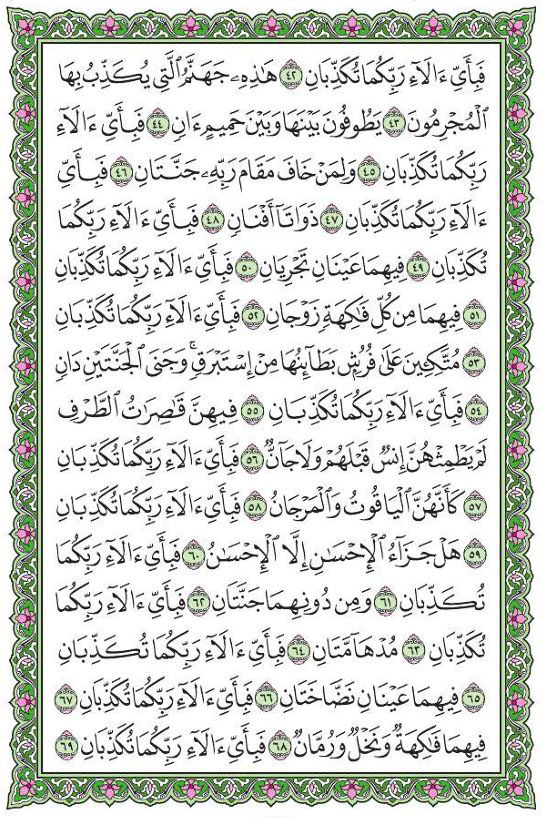
Surah Ar-Rahman, also known as “The Most Merciful”, is one of the most beautiful and spiritually uplifting chapters of the Qur’an. It emphasizes Allah’s mercy, blessings, and favors upon humanity. Allah says:
“The Most Merciful taught the Qur’an.”
(Surah Ar-Rahman 55:1)
The Prophet Muhammad ﷺ said that this Surah highlights Allah’s bounties and justice and encourages believers to reflect on His creations. Reciting Surah Ar-Rahman daily brings numerous spiritual, emotional, and worldly benefits.


1. Surah Rahman as a Reminder of Allah’s Mercy
The central theme of Surah Ar-Rahman is Allah’s mercy and generosity. It repeatedly begins with:
“Which of the favors of your Lord will you deny?”
(Surah Ar-Rahman 55:13)
How Reciting Daily Increases Gratitude
- Encourages recognition of daily blessings
- Cultivates gratitude (Shukr) and mindfulness
- Strengthens the bond between the believer and Allah
Daily recitation instills spiritual contentment and humility.
2. Healing and Comfort for the Heart
The Qur’an is a source of Shifa’ (healing). Surah Ar-Rahman, when recited daily, brings peace and relief from stress.
Allah says:
“And We send down of the Qur’an that which is healing and mercy for the believers.”
(Surah Al-Isra 17:82)
Emotional Benefits
- Reduces anxiety, depression, and restlessness
- Brings inner peace and tranquility
- Strengthens spiritual resilience
The rhythmic repetition in Surah Ar-Rahman enhances calmness and mindfulness.
3. Surah Rahman and Reflection on Divine Favors
Surah Ar-Rahman lists numerous blessings of Allah in nature, life, and the universe:
- Creation of humans, jinn, and angels
- The balance of the universe
- Rivers, fruits, and plants
- The sun, moon, and stars
Reflecting on these blessings reinforces humility, gratitude, and trust in Allah.
4. Protection and Spiritual Safety
Daily recitation of Surah Ar-Rahman offers spiritual protection.
- Guards against negative thoughts and stress
- Shields the heart from arrogance and envy
- Enhances awareness of divine guidance
Allah reminds:
“So which of the favors of your Lord would you deny?”
(Surah Ar-Rahman 55:13)
Regular engagement with the Surah ensures constant spiritual mindfulness.
5. Preparation for the Hereafter
Surah Ar-Rahman describes rewards for the righteous and the fate of the disbelievers. Reading it daily:
- Strengthens preparation for the Hereafter
- Encourages righteous deeds and reflection
- Reminds believers of Allah’s justice and mercy
Allah says:
“But for he who fears the position of his Lord are two gardens.”
(Surah Ar-Rahman 55:46–48)
6. Encouragement for Good Deeds
The Surah motivates believers to act justly and kindly in daily life.
- Charity and helping others
- Upholding moral and ethical values
- Maintaining balance in life and actions
Prophet Muhammad ﷺ said:
“The most beloved of deeds to Allah are those that are consistent, even if they are small.”
(Sahih Muslim)
Daily recitation of Surah Ar-Rahman reinforces consistency in righteous acts.
7. Spiritual Rewards Multiplied
Every verse of the Qur’an brings immense reward, and Surah Ar-Rahman is no exception.
- Reciting each verse rewards the believer manifold
- Encourages habitual engagement with the Qur’an
- Strengthens connection with Allah
Allah says:
“Indeed, those who recite the Book of Allah and act upon it will be guided.”
(Surah Al-An’am 6:155)
8. Surah Rahman as a Source of Joy and Beauty
The poetic structure and repetitive verse make Surah Ar-Rahman uplifting.
- Enhances spiritual beauty and emotional stability
- Provides joy in recitation and reflection
- Strengthens the soul against despair
The repeated question, “Which of the favors of your Lord will you deny?”, reminds the believer of constant blessings and mercy.
9. Encourages Reflection on Nature and Creation
Surah Ar-Rahman vividly describes nature and creation:
- Sky, sun, moon, stars
- Plants, rivers, and oceans
- Balance and harmony in the universe
Why Reflection Matters
- Strengthens gratitude and humility
- Encourages environmental awareness and stewardship
- Deepens understanding of divine wisdom
Allah says:
“Indeed, in the creation of the heavens and the earth and the alternation of the night and day are signs for those of understanding.”
(Surah Al-Imran 3:190)
10. Relief from Hardships
Surah Ar-Rahman is recited during difficulties to bring ease and hope.
- Eases emotional distress
- Provides spiritual strength
- Encourages patience and reliance on Allah
The Prophet ﷺ said:
“Recite the Qur’an, for it is a source of ease in hardship.”
(Sahih Al-Jami)
11. Benefits of Reciting Before Sleeping
Daily recitation before sleeping:
- Protects the believer during the night
- Provides calm and peaceful sleep
- Invites divine blessings and mercy
Prophet Muhammad ﷺ recommended night recitation as a means of protection and spiritual elevation.
12. Barakah (Blessings) in Life
Surah Ar-Rahman brings barakah (blessing) in wealth, health, and family life.
- Encourages ethical and moral living
- Strengthens relationships and communication
- Enhances productivity and focus
Daily engagement ensures continuous divine favor.
13. Developing Consistency and Discipline
Daily recitation of Surah Ar-Rahman cultivates:
- Discipline in worship and habits
- Spiritual mindfulness throughout the day
- Consistency in connecting with Allah
Allah says:
“Indeed, the good deeds erase the bad deeds.”
(Surah Hud 11:114)
14. Surah Rahman and Interpersonal Harmony
The Surah inspires good character and ethical conduct:
- Encourages patience, gratitude, and humility
- Enhances social harmony through understanding of Allah’s favors
- Strengthens family bonds and community relationships
15. Recommended Times for Recitation
- Morning: Start the day with blessings and gratitude
- Evening: Reflect on daily favors and prepare spiritually
- During difficulty: Seek spiritual strength and protection
- Before sleeping: Ensure a peaceful night
Consistency in these times maximizes spiritual benefit.
16. Combining Surah Rahman with Other Surahs
For enhanced benefits, pair Surah Ar-Rahman with:
- Surah Al-Fatihah – Guidance and blessings
- Surah Al-Ikhlas – Reinforces Tawheed
- Surah Al-Mulk – Protection from punishment
- Surah Yaseen – Spiritual ease and intercession
This combination offers comprehensive spiritual growth and protection.
17. Tips for Beginners
- Begin with intentions (niyyah) for Allah
- Recite slowly with Tajweed for correct pronunciation
- Understand meanings for reflection and implementation
- Be consistent even with a few verses
- Pair with supplications (Dua) and morning/evening dhikr
18. Spiritual and Emotional Impact of Surah Ar-Rahman
Daily recitation nurtures:
- Patience (Sabr) during trials
- Gratitude (Shukr) for blessings
- Humility and awareness of Allah’s favors
- Ethical behavior and moral growth
19. Summary of Surah Rahman Benefits
| Benefit | Explanation |
|---|---|
| Gratitude | Recognizing Allah’s blessings |
| Spiritual Healing | Reduces stress and anxiety |
| Protection | Guards from harm and Shaytan |
| Guidance | Ethical and moral direction |
| Barakah | Blessings in life, health, and work |
| Ease in Hardships | Spiritual support in trials |
| Night-time Benefits | Protection and peaceful sleep |
| Interpersonal Harmony | Encourages patience and kindness |
| Reward Multiplication | Each verse brings immense reward |
| Reflection | Understanding Allah’s creations |
| Preparation for Afterlife | Encourages righteous deeds |
| Consistency | Builds spiritual discipline |
Conclusion: Surah Rahman as a Daily Practice
Daily recitation of Surah Ar-Rahman provides:
- Spiritual growth and peace
- Recognition and gratitude for Allah’s blessings
- Protection from harm and inner anxiety
- Guidance in ethical, social, and personal life
- Preparation for the Hereafter

The Qur’an is the final revelation of Allah to humanity, sent as a complete guide for faith, morality, and life. Allah says:
“Indeed, this Qur’an guides to that which is most upright and gives good tidings to the believers who do righteous deeds.”
(Surah Al-Isra 17:9)
Daily reading of the Qur’an is a practice encouraged in Islam. The Prophet Muhammad ﷺ said:
“The best among you are those who learn the Qur’an and teach it.”
(Sahih Al-Bukhari)
Incorporating the Qur’an into daily life provides spiritual, emotional, and intellectual benefits. This article explores the benefits of reading Quran daily, supported by authentic Qur’anic references, and explains how it strengthens faith and brings blessings in this life and the hereafter.
1. Strengthening Faith and Iman
Reading the Qur’an daily strengthens belief in Allah (Iman). Faith is nurtured when a believer understands and reflects on Allah’s guidance.
Allah says:
“Those who believe and do righteous deeds, their Lord will guide them because of their faith.”
(Surah Al-Ankabut 29:69)
How Daily Recitation Strengthens Iman
- Reinforces belief in Allah, angels, messengers, and the Day of Judgment
- Encourages submission and reliance on Allah in daily life
- Increases awareness of divine guidance
Even small daily recitation brings gradual growth in certainty and faith.
2. Peace and Tranquility of the Heart
One of the most immediate benefits of daily Qur’an reading is inner peace.
Allah says:
“Unquestionably, by the remembrance of Allah do hearts find rest.”
(Surah Ar-Ra’d 13:28)
Why the Qur’an Brings Tranquility
- Allah’s words remind the believer of His mercy, justice, and guidance
- Recitation provides emotional relief from stress
- Creates mindfulness and spiritual focus
Daily reading of the Qur’an transforms the heart from anxiety to tranquil certainty.
3. Protection from Shaytan and Evil
Daily Qur’an recitation acts as a shield from evil influences. The Prophet ﷺ recommended certain Surahs for protection.
Protective Surahs for Daily Recitation
- Surah Al-Falaq and Surah An-Naas – Protection from magic, evil, and whisperings
- Surah Al-Ikhlas – Strengthens Tawheed, preventing spiritual deception
- Surah Al-Mulk – Protection from the punishment of the grave
Allah says:
“Indeed, Allah and His angels bless those who believe; He sends peace upon them.”
(Surah Al-Ahzab 33:43)
4. Guidance for Daily Life
The Qur’an contains guidance for every aspect of life. Reading it daily ensures decisions, behavior, and character remain aligned with Allah’s commands.
Allah says:
“This is the Book about which there is no doubt, a guidance for the God-conscious.”
(Surah Al-Baqarah 2:2)
Practical Benefits in Life
- Teaches ethical conduct and justice
- Provides solutions for personal and social issues
- Guides in patience, honesty, and humility
Daily reading allows believers to apply divine wisdom consistently.
5. Rewards and Spiritual Elevation
The Qur’an promises immense reward for daily recitation.
Allah says:
“Whoever comes [on the Day of Judgment] with a good deed will have ten times the like thereof.”
(Surah Al-An’am 6:160)
How Reading Daily Increases Reward
- Each letter recited brings ten rewards (Hadith: Tirmidhi)
- Consistency in recitation elevates spiritual rank
- Daily engagement earns continuous barakah (blessing)
6. Healing for Body and Soul
The Qur’an is described as a source of healing (Shifa’). Reciting daily can have spiritual and psychological benefits.
Allah says:
“And We send down of the Qur’an that which is healing and mercy for the believers.”
(Surah Al-Isra 17:82)
Types of Healing
- Emotional healing from sadness, anxiety, and fear
- Spiritual healing from sins and negative thoughts
- Physical calmness and reduction of stress
Daily recitation becomes a meditation and spiritual therapy.
7. Light in the Darkness (Guidance and Awareness)
Reading the Qur’an daily is a source of light (Nur) in life.
Allah says:
“Allah is the Light of the heavens and the earth.”
(Surah An-Nur 24:35)
Daily reading brings clarity, insight, and guidance, helping believers navigate life’s trials.
8. Forgiveness of Sins
Daily Qur’an recitation is a means of seeking forgiveness and mercy.
Allah says:
“Indeed, those who recite the Qur’an and follow its guidance, We will remove from them their misdeeds.”
(Surah Al-Muzzammil 73:20)
How Daily Reading Leads to Forgiveness
- Reciting sincerely purifies the heart
- Encourages reflection and repentance
- Prevents repeated mistakes by increasing awareness
9. Intercession on the Day of Judgment
The Qur’an will intercede for the believer on the Day of Judgment.
Prophet Muhammad ﷺ said:
“Recite the Qur’an, for it will come as an intercessor for its companions on the Day of Resurrection.”
(Sahih Muslim)
Daily engagement ensures the Qur’an becomes a companion in the afterlife.
10. Knowledge and Wisdom
Daily reading improves understanding, insight, and knowledge.
Allah says:
“Then do they not reflect upon the Qur’an? If it had been from [any] other than Allah, they would have found within it much contradiction.”
(Surah An-Nisa 4:82)
Benefits for Learning
- Enhances awareness of divine guidance
- Teaches history, law, morality, and ethics
- Strengthens intellectual connection with faith
11. Strengthening Character and Morals
The Qur’an is a guide for excellent character.
Allah says:
“Indeed, you have in the Messenger of Allah an excellent example.”
(Surah Al-Ahzab 33:21)
Daily reading encourages:
- Patience (Sabr)
- Humility and gratitude (Shukr)
- Honesty, integrity, and justice
12. Increasing Barakah in Life
Daily reading brings blessings in wealth, health, and relationships.
Allah says:
“And We have sent down to you the Book as clarification for all things.”
(Surah An-Nahl 16:89)
How Barakah Appears
- Barakah in time management
- Barakah in sustenance
- Barakah in decision-making and peace of mind
13. Connection to Allah Throughout the Day
Daily recitation fosters a continuous connection with Allah.
Prophet ﷺ said:
“The best of you is the one who keeps the Qur’an alive in his heart and actions.”
(Tirmidhi)
Regular engagement ensures spiritual mindfulness throughout daily routines.
14. Protection from Hardship and Tests
The Qur’an prepares believers to face life’s trials with patience and trust.
Allah says:
“And We will surely test you with something of fear and hunger and a loss of wealth, lives, and fruits. But give good tidings to the patient.”
(Surah Al-Baqarah 2:155)
Daily reading builds resilience and spiritual strength.
15. Developing Consistency and Discipline
Daily Qur’an reading is an act of self-discipline.
- Teaches regularity in worship
- Encourages time management
- Builds habits of devotion
Consistency in reading mirrors consistency in moral and spiritual conduct.
16. Best Surahs for Daily Reading
To maximize benefits, beginners and advanced readers should focus on:
- Surah Al-Fatihah – Guidance and blessings
- Surah Al-Ikhlas – Strengthens faith
- Surah Al-Falaq & An-Naas – Protection from evil
- Surah Yaseen – Spiritual ease
- Surah Al-Mulk – Protection from grave punishment
- Surah Ar-Rahman – Gratitude and reflection
Allah says:
“And recite what is easy from the Qur’an.”
(Surah Al-Muzzammil 73:20)
Tips for Daily Qur’an Recitation
- Start with intention (niyyah) for Allah
- Read with Tajweed for correct pronunciation
- Understand meanings alongside recitation
- Recite regularly even a few verses daily
- Reflect on the guidance and implement lessons
- Listen to recitations for proper rhythm and clarity
Conclusion: Daily Qur’an Reading Is Transformative
Reading the Qur’an daily provides:
- Spiritual growth and strengthened Iman
- Inner peace and protection from harm
- Guidance for everyday life
- Forgiveness and intercession on the Day of Judgment
- Knowledge, discipline, and character improvement
-

 Blog1 year ago
Surah Muzammil
-

 Blog10 months ago
Surah Yaseen
-

 Blog12 months ago
Surah Nasr
-

 Blog1 year ago
Surah Yaseen: The Heart of the Quran and Its Blessings
-

 Blog1 year ago
Nazar Ki Dua
-

 Blog10 months ago
Nazar Ki Dua by Prophet ﷺ
-

 Dua10 months ago
Dua for Protection, Powerful Islamic Prayers for Daily Safety from Enemies and Evil
-
 Quran9 months ago
Surah Kausar